How to Transplant Upright spiderwort?
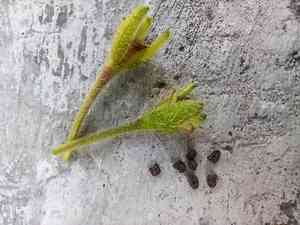
Relocate upright spiderwort when the mild temperatures of late spring arrive, extending into the beginning of summer. Choose a location with filtered sunlight, providing sufficient room for its root system to expand. Careful handling during this move facilitates a smooth integration into its new environment.
Essential Preparations Before Relocating Upright Spiderwort
Optimal Timing for Upright Spiderwort Relocation?
The ideal period to move upright spiderwort is at the transition from spring to summer. Moving upright spiderwort then takes advantage of mild temperatures and stable growth conditions, providing a perfect environment for root development without the stress of intense summer heat. Remember: careful attention now leads to thriving foliage later!
Required Spacing Between Upright Spiderwort Plants?
When positioning your upright spiderwort, allow ample room for expansion. Aim for approximately 12-18 inches (30-45 cm) between plants. This ensures they have sufficient area to develop without competing for essential nutrients, water, or light.
Best Soil Mixture for Upright Spiderwort Relocation?
Upright spiderwort thrives in a well-draining soil blend rich in organic material. Prior to moving, incorporate a balanced, slow-release fertilizer to provide a nourishing start. The soil should retain moisture effectively but avoid becoming waterlogged.
Optimal Location for Your Upright Spiderwort?
Upright spiderwort enjoys sunlight but benefits from some afternoon shade during the hottest part of the day. Select a site that receives partial sun to dappled shade, particularly in the afternoon, to ensure your upright spiderwort remains healthy and vigorous.
Equipment Needed Before Transplanting Upright Spiderwort
Gardening Gloves
To safeguard your hands while handling soil and plants.
Shovel or Spade
For excavating and lifting the upright spiderwort from its original spot.
Watering Can or Hose
To hydrate the upright spiderwort before and after relocation for easier soil handling and to minimize shock.
Measuring Tape
To ensure correct spacing between transplanted plants and adherence to recommended growth areas.
Gardening Trowel
For precise movements around the root ball and placement in the new site.
Wheelbarrow
To transport the upright spiderwort and soil without causing undue strain or damage.
Staking Materials (optional)
To offer support for the upright spiderwort after transplanting, if required.
Pruning Shears
For trimming any damaged or excessive growth.
How to Extract Upright Spiderwort from the Soil?
How to Extract Upright Spiderwort from the Soil?
From Ground: First, moisten the upright spiderwort plant by watering the soil. Next, dig a wide trench around the plant using a shovel or spade, ensuring the plant's root ball stays intact. Carefully work the spade beneath the root ball to lift the upright spiderwort from its initial location.From Pot: Water the upright spiderwort, allowing it to absorb moisture to loosen the roots. Tilt the pot sideways. Support the upright spiderwort's base with one hand; use the other to gently tap the pot's bottom or sides to dislodge the root ball. Carefully slide the plant out without pulling on its stems.From Seedling Tray: Water the tray to dampen the soil. Use a gardening trowel or your fingers to gently lift each upright spiderwort seedling by its leaves, not the stem, to prevent damage. Ensure the young root ball is preserved during this process.
Step-by-Step Guide for Relocating Upright Spiderwort
Prepare the New Location
Excavate a hole twice the width of the upright spiderwort's root ball and equal to its depth. Gently loosen the soil at the base of the hole.
Root Ball Care
Examine the root ball, trimming any broken roots with pruning shears. For very dense roots, make a few vertical cuts to encourage outward growth.
Positioning the upright spiderwort
Place your upright spiderwort in the center of the hole. The top of the root ball should be level with the surrounding soil surface. Backfill the area around the root ball with the excavated soil, gently firming it down.
Initial Watering
Thoroughly water the upright spiderwort after planting to settle the soil and remove air pockets. This also helps the soil make good contact with the root ball.
Staking (if needed)
Provide support using a stake if your upright spiderwort appears top-heavy or unstable after relocation, being careful not to harm the root system.
Post-Transplant Care for Upright Spiderwort
Monitoring
Regularly check the upright spiderwort for signs of stress like wilting or discolored leaves and address them with appropriate care.
Watering
Maintain consistent moisture in the soil around the upright spiderwort, avoiding sogginess, for the initial weeks after transplanting to aid in root establishment.
Mulching
Apply a layer of mulch around the upright spiderwort to help retain soil moisture, stabilize soil temperature, and suppress weeds.
Support
Adjust staking materials if used, ensuring they secure the upright spiderwort without restricting growth or damaging stems.
Addressing Common Issues During Upright Spiderwort Transplantation
What is the best season to move upright spiderwort?
Relocate upright spiderwort during late spring to early summer, when the weather is mild and conducive to root establishment.
What spacing is recommended for upright spiderwort during transplanting?
Space upright spiderwort approximately 12-18 inches (30-46 cm) apart to allow for ample growth and prevent overcrowding.
How deep should I plant upright spiderwort?
Dig a hole as deep as the root ball and twice its width to ensure sufficient space for root expansion.
Should I water upright spiderwort immediately after transplanting?
Yes, thoroughly water upright spiderwort right after transplanting to help settle the soil and minimize transplant shock.
How much sun does upright spiderwort require after transplanting?
Provide upright spiderwort with ample sunlight, ideally in a location that receives full to partial sun for optimal development.
Can upright spiderwort be transplanted in extremely hot weather?
It is best to avoid moving upright spiderwort during peak heat. Aim for cooler parts of the day or wait for milder temperatures.
What soil conditions does upright spiderwort prefer for successful transplanting?
Ensure the soil is well-draining, rich in organic matter, and maintains a neutral pH for upright spiderwort to thrive post-transplant.
How do I prepare upright spiderwort for transplanting to prevent shock?
Water upright spiderwort thoroughly a day before transplanting to hydrate and reduce stress, ensuring the root ball remains intact during the move.
Why is my transplanted upright spiderwort wilting?
Wilting may indicate transplant shock or insufficient water. Ensure consistent moisture and protection from harsh conditions after transplanting.
How long does it take for upright spiderwort to establish after transplanting?
With proper care, upright spiderwort should begin to establish within a few weeks, indicated by new growth as a sign of successful relocation.



