How to Prune Upright spiderwort?
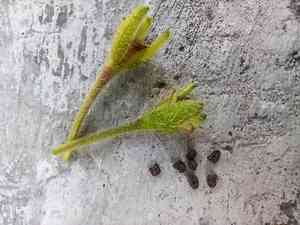
This enduring plant, recognized for its elegant leaves and tiny blossoms, thrives with consistent cutting to preserve its form and foster more compact development. Trimming upright spiderwort can be performed throughout the year; clip away spent flowers and elongated stalks to boost vigor. In early spring, excise any sections harmed by frost. Discard all excised plant matter to avert the dissemination of pathogens. Eliminating aged foliage improves air movement and light exposure, thereby augmenting upright spiderwort's general well-being and visual attractiveness.
What Are the Benefits of Pruning Upright Spiderwort?
What Are the Benefits of Pruning Upright Spiderwort?
Trimming upright spiderwort encourages vigorous development, fostering abundant foliage and more vibrant blossoms. By selectively removing portions of upright spiderwort, gardeners maintain its desired shape and prevent excessive growth, improving both vitality and appearance.
What Is the Best Time for Pruning Upright Spiderwort?
What Is the Best Time for Pruning Upright Spiderwort?
Pruning upright spiderwort from late winter to early spring is considered ideal as this period immediately precedes the plant's active growth phase. Trimming at this time allows upright spiderwort to direct energy towards new growth and quickly recover from any pruning stress. Additionally, removing any dead or damaged growth at this time minimizes the risk of disease and pests, which can be attracted to weakened or dying plant tissues. Late winter to early spring pruning also helps upright spiderwort maintain its form and promotes healthier, denser, and more robust growth as the growing season progresses. While upright spiderwort can tolerate pruning year-round, light trimming during other seasons is acceptable for removing spent flowers or controlling plant size, but significant pruning should be concentrated in the late winter to early spring window.
What Tools Do I Need to Prune Upright Spiderwort?
Bypass Pruners
These are perfect for making clean cuts on upright spiderwort's stems without crushing plant tissue, which promotes healthier regrowth.
Micro-Tip Snips
Excellent for detailed work and deadheading upright spiderwort due to their small size and ease of use in confined areas.
Garden Scissors
Useful for trimming and shaping upright spiderwort, as well as for cutting back any old or yellowing foliage without harming adjacent stems.
How to Prune Upright Spiderwort
Clean tools
Before pruning upright spiderwort, sanitize pruning tools with a bleach or alcohol solution to prevent disease transmission.
Snip diseased leaves
Locate and remove any diseased leaves from upright spiderwort by carefully snipping them at their base where they meet the stem, avoiding damage to nearby healthy foliage.
Remove withered leaves
Prune away withered leaves from upright spiderwort with a clean cut at the leaf's base to encourage new growth and enhance air circulation.
Cut dead branches
Identify and trim dead branches from upright spiderwort by cutting at a 45-degree angle just above a healthy stem segment or leaf node to facilitate healing.
Eliminate diseased branches
Carefully remove any diseased branches from upright spiderwort by making clean cuts well below the affected area to prevent infection.
Common Pruning Mistakes with Upright Spiderwort
Over-pruning
Novice gardeners often make the mistake of over-pruning upright spiderwort, which can weaken its structure and diminish its flowering potential.
Improper cutting angle
Incorrect cutting angles can lead to damaged stems and increased susceptibility to diseases in upright spiderwort.
Using dull tools
Dull pruning tools might result in jagged cuts, harming upright spiderwort by creating entry points for pests and diseases.
Ignoring dead growth
Failing to remove dead or diseased growth can impede the plant's energy distribution and overall vitality.
Neglecting sanitation
Not sanitizing tools between cuts can spread disease throughout upright spiderwort, impacting its growth and health.
Common Pruning Tips for Upright Spiderwort
Sharp tools
Always use sharp, clean tools to make precise cuts, which help upright spiderwort heal faster and remain healthy.
Correct cutting method
Prune upright spiderwort with angled cuts just above leaf nodes to encourage new growth and maintain an attractive shape.
Regular maintenance
Routine removal of dead and damaged stems will keep upright spiderwort vigorous, promoting healthy growth and blooms.
Thin out density
Thin out dense growth to improve air circulation and light penetration, which benefits the overall health and flowering of upright spiderwort.
Disinfect pruning tools
To prevent disease spread, disinfect pruning tools before and after use, especially when cutting through diseased parts of upright spiderwort.



