How to Propagate Upright spiderwort?
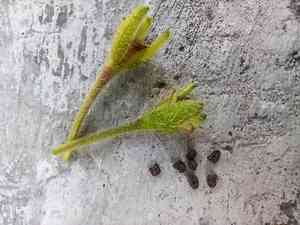
Tradescantia pallida 1 flourishes when reproduced via stem sections. For optimal development, sever a robust stem piece, preferably during periods of vigorous expansion. Detach the bottom foliage, then embed the cutting in a potting blend that drains effectively. Sustaining sufficient moisture and warmth will facilitate root formation and fresh shoots.
Optimal Period for Upright Spiderwort Propagation
Propagation Type
Cutting
Propagation Season
Spring,Summer
Tools Required for Upright Spiderwort Propagation
Sharp pruning shears
Crucial for obtaining clean, precise cuttings from upright spiderwort. Accurate cuts minimize harm to the parent plant and provide a smooth surface on cuttings, fostering better root growth and reducing infection risk.
Rooting hormone
This chemical compound stimulates root development from upright spiderwort cuttings. Applying rooting hormone to the cut end of a cutting speeds up root formation, significantly boosting propagation success rates.
Sterile potting mix
Employing a sterile potting mix is vital for the initial planting of upright spiderwort cuttings. It reduces the chance of soil-borne diseases that could harm delicate new roots, encouraging healthier growth and better establishment.
Propagation tray
Helps organize and manage numerous upright spiderwort cuttings efficiently. A propagation tray also maintains consistent moisture and temperature, both critical for the rooting process.
Clear plastic dome or bag
Creates a humid microenvironment around upright spiderwort cuttings, essential for keeping moisture in the leaves and stems while roots form. This helps prevent cuttings from drying out and dying before they can establish roots.
Heating mat (optional)
Slightly warming the soil can improve the rooting success rate for upright spiderwort cuttings. A heating mat maintains the propagation medium at an ideal temperature, encouraging faster root growth.
Method for Propagating Upright Spiderwort
Propagation Type
Easy
Post-Propagation Care for Upright Spiderwort
Post-Propagation Care for Upright Spiderwort
Once roots are established, gradually acclimate upright spiderwort to less humid conditions by incrementally removing the cover over several days. Water upright spiderwort when the top inch of soil feels dry. Provide bright, indirect sunlight and fertilize with a balanced liquid feed every 4-6 weeks during the growing season. Monitor for pests and diseases, treating them promptly if they appear.
Common Errors to Avoid During Upright Spiderwort Propagation
Overwatering
Excessive watering of upright spiderwort can lead to root rot, as its roots prefer drier conditions in well-draining soil. Saturated soil can suffocate roots, preventing nutrient and water absorption, ultimately hindering growth and potentially causing plant death.
Using too large a container
Starting upright spiderwort in an overly large container can cause uneven soil drying, leading to poor root development. A pot that's too big can retain excess moisture around the roots, which is not ideal for upright spiderwort's root health.
Poor light conditions
Placing upright spiderwort in insufficient light can result in leggy growth and weaken the plant, making it less vigorous in producing new shoots for propagation. Conversely, too much direct sunlight can scorch its leaves, causing stress and impeding growth.
Advice for Propagating Upright Spiderwort
Stem cuttings
Use stem cuttings for propagation by cutting just below a node, as this is where new roots are most likely to form. This method is effective because upright spiderwort roots readily from nodal cuttings, which can then be placed in water or a moist potting mix until roots develop sufficiently.
Use of rooting hormone
Applying rooting hormone to the cut end of the stem can enhance root development, promoting quicker establishment and stronger root systems. This accelerates the overall propagation process.
Maintaining high humidity
Keeping upright spiderwort cuttings in a high humidity environment like a plastic bag or a propagation chamber can prevent moisture loss and support better root formation. High humidity helps maintain moisture in the leaves, allowing the plant to focus energy on rooting.



