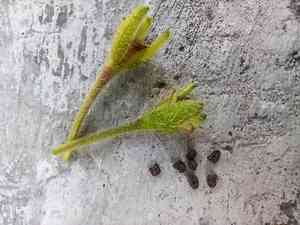
Upright spiderwort (Tinantia erecta)
Also known as: Widows tears
Upright spiderwort is known and loved for its exotic look. Its bright pink blooms make it a sure choice as an ornamental plant in warmer climates. The genus name, Tinantia, was given to honor the forester from Luxembourg, Francois Tinant.
In This Article
Attributes of Upright spiderwort
Lifespan
Perennial
Plant Type
Herb
Plant Height
30 cm to 60 cm
Spread
20-40 cm
Leaf Color
Green
Flower Size
5 cm to 7 cm
Flower Color
Pink Purple
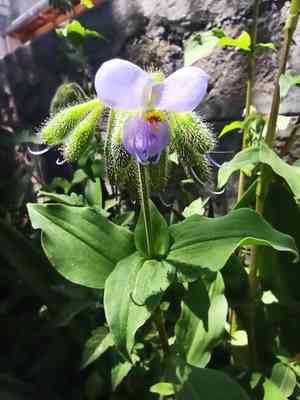
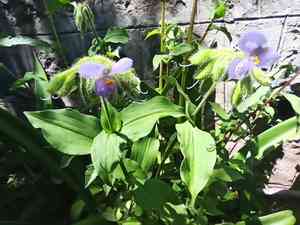
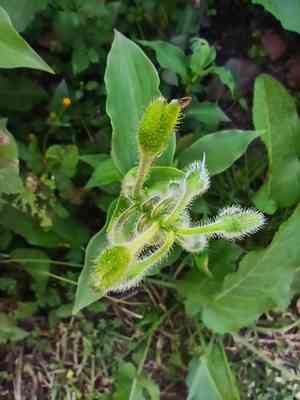
Images of Upright spiderwort
Quickly Identify Upright spiderwort
1
Tinantia erecta can be identified by its upright, branching stems and lance-shaped leaves. It has small, vibrant blue or purple flowers, often with three petals and a yellow center. The flowers usually appear in clusters.
Scientific Classification of Upright spiderwort
Phylum
Vascular plants
Class
Monocotyledons
Order
Commelinales
Family
Spiderwort
Genus
Widow's tears
Species
Upright spiderwort
Planting and Growing of Upright spiderwort
Care Difficulty
Easy
Watering Schedule
Every 4 days
Sunlight Requirements
Partial sun
Sunshine Duration
6-12 hours
Ideal Temperature
65-80℉
Soil Type
Potting Mix, Peat Mix
Soil pH
6.5-7.5
Fertilizer Type
Balanced
Pruning Season
Spring, Summer
Pruning Area
Branches, Leaves
Pruning Frequency
2 times a year
Repotting Season
Spring
Pot Type
Plastic, Ceramic
 How to Water Upright spiderwort?
Tinantia erecta loves moisture but not sogginess. It's best to water until the top layer of soil is evenly moist but not drenched. Aim for about 250 ml per watering session, ensuring excess water drains out of the pot. Water until the soil feels slightly springy under your fingertips.
What are the symptoms of an underwatered Upright spiderwort?
›
What should I do if my Upright spiderwort is not getting enough water?
›
What are the symptoms of an overwatered Upright spiderwort?
›
How to save an overwatered Upright spiderwort?
›
 What Are the Sunlight Requirements for Upright spiderwort?
Tinantia erecta thrives best with partial sun to full shade. This balance of light mimics its natural habitat, fostering healthy growth and vibrant foliage without the risk of sunburn or fading.
More About Sunlight Requirements Techniques→
Optimal Light Levels
›
Managing Seasonal Changes
›
Indoor Lighting Solutions
›
 What Is the Ideal Temperature Range for Upright spiderwort?
Tinantia erecta thrives best in temperatures ranging from 65°F to 80°F. This temperature range supports optimal growth and flowering. Ensuring that temperatures remain within this range will lead to healthier and more vibrant plants.
 What Soil is Best for Upright spiderwort?
Tinantia erecta thrives best in a well-draining soil to prevent root rot and promote healthy root growth. It is essential for the soil to allow excess water to escape easily, reducing the risks of fungi infections and ensuring optimal plant health. The soil should be rich in organic matter to provide essential nutrients for Tinantia erecta. Organic matter not only feeds the plant but also improves soil structure, moisture retention, and promotes beneficial microbial activity. While drainage is paramount, the soil should also retain adequate moisture between watering. This balances the need for water availability without saturating the plant roots, which ensures consistent hydration and nutrient uptake.
 How to Fertilize Upright spiderwort?
For Tinantia erecta, the amount of fertilizer should be modest but consistent. During the growing season, apply a balanced liquid fertilizer at half the strength every two weeks. For slow-release fertilizers, apply according to the product's instructions, ensuring not to exceed recommended amounts to prevent nutrient burn.
 How to Prune Upright spiderwort?
Begin by identifying any dead or damaged stems. These should be cut back to healthy tissue to prevent disease and improve the plant's appearance. Trim back long or unruly stems to maintain the plant's desired shape. A balanced shape not only looks aesthetically pleasing but also allows for better light and air circulation. Prune just above a leaf node to encourage new growth and flowering. This technique directs the plant’s energy into producing more blooms.
More About Pruning Techniques→
 How to Propagate Upright spiderwort plant?
1
Gather seeds from mature plants when the seed pods have dried out. Make sure to keep the seeds in a cool, dry place until you are ready to plant them in the early spring.
2
Select healthy, non-flowering stems and cut a 4-6 inch section just below a leaf node. Remove the lower leaves and dip the cut end in rooting hormone before planting.
3
Carefully dig up the plant and divide the root ball into smaller sections, ensuring each division has roots and shoots. Replant immediately to prevent root drying.
 How to Repot Upright spiderwort plant?
1
Repot your Tinantia erecta when you notice roots emerging from the drainage holes or if the growth appears stunted. It's essential to provide ample space for root expansion, ideally during the active growing seasons of spring or early summer when the plant can recover swiftly.
2
Select a pot that is one size larger than the current one, with adequate drainage holes. This prevents waterlogging and root rot, allowing the plant's roots to breathe and promoting healthier growth. The material should be breathable, like terracotta, to regulate moisture levels effectively.
3
Choose a well-draining potting mix enriched with organic matter. Such a mix facilitates balanced moisture retention and prevents waterlogging, promoting robust root health necessary for Tinantia erecta's optimal growth.
Learn More About Upright spiderwort Diseases
Anthracnose
Bacterial Leaf Spot
Bacterial Soft Rot
Bacterial Wilt
Chemical Injury
Damping-off
Downy Mildew
Drought Stress
Fusarium Wilt
Gray Mold
Leaf Curl
Leaf Spot
Mosaic
Nutrient Deficiency
Nutrient Toxicity
Powdery Mildew
Root Rot
Root-knot Nematode
Rusts
Sooty Mold
Spider Mites
Temperature Stress
Thrips Damage
White Mold



