How to Transplant Laurel clockvine?
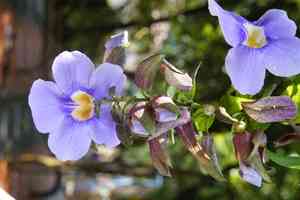
The most favorable period for relocating laurel clockvine is during the transition from winter's end to the onset of longer days, generally spanning from the start of early spring through the approach of intense summer warmth. Choose a location bathed in sunlight, featuring soil that drains effectively, and provide protection from powerful gusts. This timeframe allows laurel clockvine a smooth adjustment to firmly anchor its roots prior to the peak intensity of summer.
What Preparations are Needed Before Transplanting Laurel Clockvine?
What is the Ideal Time for Transplanting Laurel Clockvine?
The best period for relocating laurel clockvine is during its revitalization phase, from the end of frost until its most active growth. Choosing this favorable time aids laurel clockvine's establishment when the ground is warm and damp, fostering robust root development. This timing utilizes the plant's inherent growth cycle, boosting laurel clockvine's chances of thriving. Moving laurel clockvine in this season ensures it benefits from extended daylight, helping it to anchor itself and flourish under the spring sun's gentle care. Helpful hint: enrich laurel clockvine's new site with organic material before the move for a smooth transition!
How Much Space Should You Leave Between Laurel Clockvine Plants?
Hello, budding gardener! For laurel clockvine, you'll want to provide ample room for growth. Aim for a separation of approximately 18-24 inches (45-60 cm) between plants. This comfortable distance promotes good air circulation and development, ensuring each plant has its own space to thrive in your garden.
What is the Best Soil Mix for Laurel Clockvine Transplanting?
Ready for some soil talk? Laurel clockvine prefers well-drained soil. To prepare, blend some compost with your existing soil to enhance its quality. A light application of a balanced, slow-release fertilizer will give your laurel clockvine an excellent start. Remember, healthy soil leads to a happy plant!
Where Should You Relocate Your Laurel Clockvine?
When searching for the perfect spot for laurel clockvine, remember their love for sunshine. Select a location that receives full to partial sun, ensuring they soak up the light for most of the day. This sunny rendezvous will keep your laurel clockvine radiating with vibrant blooms!
What Equipments Should You Prepare Before Transplantation Laurel Clockvine?
Gardening Gloves
To safeguard your hands while handling soil and plants.
Spade or Shovel
For excavating the laurel clockvine from its original spot and preparing the new planting site.
Watering Can or Hose
To hydrate the laurel clockvine before and after its relocation.
Pruning Shears
For trimming any damaged roots or excess foliage if necessary.
Garden Trowel
To assist with digging smaller holes or refining the new planting area.
Wheelbarrow or Garden Cart
For moving the laurel clockvine if it's large, or for transporting soil and compost.
Support Stakes or Trellis
Laurel clockvine may require assistance to climb as it matures.
How Do You Remove Laurel Clockvine from the Soil?
How Do You Remove Laurel Clockvine from the Soil?
From Ground: First, moisten the soil around the laurel clockvine. Then, dig a wide trench around the plant using a shovel or spade, ensuring the root ball remains intact. Carefully work the spade beneath the root ball to lift the plant from its original location.From Pot: Water the soil in the container beforehand. Turn the pot sideways and gently tap the sides and bottom to loosen the soil. Carefully slide the laurel clockvine out, preserving the root ball's structure.From Seedling Tray: Gently water the seedlings. Using a garden trowel or your fingers, carefully extract the individual laurel clockvine seedlings, making sure to keep the root system undamaged.
Step-by-Step Guide for Transplanting Laurel Clockvine
Preparation
Ensure all necessary tools and supports are ready. Water the laurel clockvine thoroughly a few hours prior to transplanting to reduce shock and facilitate removal.
Removal
Based on its initial location, follow the specific removal procedure to carefully extract the laurel clockvine, taking care not to harm the root ball.
Plant Hole
Dig a hole in the ground that is twice as wide and as deep as the root ball. Place the laurel clockvine in the center of the hole.
Positioning
Adjust the laurel clockvine's placement so it stands upright and at the same depth it was previously growing. This prevents planting too deep or too shallow.
Fill In
Backfill the hole with soil, gently firming it around the laurel clockvine's root ball to eliminate any air pockets. Then, water the plant well to help settle the soil.
Staking
If the laurel clockvine requires support for climbing, install stakes or a trellis around the planting area now, being careful not to damage the roots.
How Do You Care For Laurel Clockvine After Transplanting?
Watering
Keep the soil around the laurel clockvine consistently damp for the initial few weeks post-transplant, until new growth appears, indicating establishment.
Mulching
Apply a layer of organic mulch around the base of laurel clockvine to help retain moisture, regulate soil temperature, and suppress weeds.
Observation
Monitor the laurel clockvine for signs of transplant shock, such as wilting or yellowing leaves, and intervene if necessary, like adjusting watering or providing shade.
Pruning
Trim any dead or damaged foliage to help the laurel clockvine direct its energy towards establishing new roots instead of repairing compromised leaves.
Troubleshooting Common Issues with Laurel Clockvine Transplantation.
What's the best time to transplant laurel clockvine?
Relocate laurel clockvine during the ideal window from early to late spring when temperatures are mild.
How much space do I leave between laurel clockvine plants?
Allow each laurel clockvine approximately 18-24 inches (45-60 cm) of space to thrive, ensuring adequate room for growth.
How deep should the planting hole be for laurel clockvine?
The hole should match the depth of the root ball, allowing laurel clockvine roots to spread naturally.
What soil conditions favor laurel clockvine after transplanting?
Well-draining soil rich in organic matter provides the best environment for laurel clockvine's post-transplant success.
Can I transplant laurel clockvine in full sun?
Yes, laurel clockvine flourishes in full sunlight, but ensure the soil remains moist after transplanting.
Should I prune laurel clockvine before transplanting?
Lightly trim laurel clockvine to remove dead foliage and redirect energy to root establishment in its new location.
How often should I water laurel clockvine post-transplant?
Water laurel clockvine generously immediately after transplanting, then regularly to maintain consistent soil moisture during root establishment.
What temperature range is safe for transplanting laurel clockvine?
Aim for a moderate temperature range, avoiding extreme heat or frost which can stress transplanted laurel clockvine.
How do I protect laurel clockvine from transplant shock?
Gradually introduce laurel clockvine to outdoor conditions over a week and provide consistent care after transplanting.
Can I use fertilizer immediately after transplanting laurel clockvine?
Wait a few weeks before applying fertilizer to prevent burning the delicate roots of newly transplanted laurel clockvine.



