How Much Sunlight Do Laurel clockvine Need?
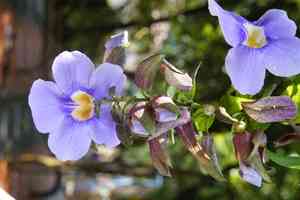
1
Laurel clockvine flourishes with a minimum of 6 hours of direct sun daily.
2
Excessive direct sun exposure may lead to heat stress and harm Laurel clockvine.
3
To encourage best growth, provide some shade during the warmest hours of the day.
Optimal Sunlight Conditions for Laurel clockvine
Ideal Daily Sunlight
For Laurel clockvine to thrive, it needs a balanced amount of daily sun. Ideally, it should get at least 6 hours of sunlight each day. Morning sun is especially good as it offers gentle warmth, helping prevent midday scorching. Consistent sun exposure ensures the plant can photosynthesize effectively, leading to strong growth and abundant blooms.
Seasonal Light Adjustments
As seasons change, it's crucial to modify light conditions for your Laurel clockvine. During summer, when the sun is strongest, you might need to provide some afternoon shade to shield the plant from intense heat. Conversely, in winter, maximizing light exposure is vital since daylight hours are shorter. Adjusting the plant's position or using reflective materials can help ensure it gets enough light year-round.
Does Laurel clockvine Tolerate Full Sun?
Full Sun Exposure Details
While Laurel clockvine can endure full sun, it flourishes best with a mix of direct and filtered sunlight. Full sun exposure, particularly in the morning, helps the plant grow vigorously. However, prolonged exposure during the hottest part of the day can be detrimental and may harm the plant. It's essential to observe your plant and assess the sun's intensity in your specific area.
Heat Stress and Potential Damage
Laurel clockvine can suffer from heat stress if exposed to excessive harsh sunlight. Signs of heat stress include wilting leaves, brown edges, and scorched plant tips. If you notice these symptoms, it's a clear indication that your plant requires more shade. You can alleviate heat stress by using shade cloths, moving pots to shadier spots, or employing garden structures to block the most intense rays.
Providing Shade for Laurel clockvine
Partial Shade Advantages
Partial shade offers significant benefits for Laurel clockvine. It protects the plant from the harshest sun while still providing sufficient light for healthy development. In partial shade, the plant can enjoy morning sunlight and then be shielded from the intense afternoon sun. This balance helps prevent heat stress and ensures consistent, vibrant growth throughout the year.
Choosing the Right Location
Selecting the appropriate location for your Laurel clockvine is crucial for its health. When planting outdoors, consider areas that offer natural shade from larger trees or structures. If growing in a pot, place it in a spot that receives bright, indirect sunlight for most of the day. Patio areas with partial cover or spots near east-facing windows are excellent choices for ensuring optimal light levels.
Indoor Growing: Light Requirements for Laurel clockvine
Best Indoor Light Sources
Growing Laurel clockvine indoors requires careful consideration of light sources. Position the plant near windows that receive bright, indirect sunlight. East or west-facing windows are typically ideal. If natural light is insufficient, especially during winter, consider using grow lights. Full-spectrum LED or fluorescent lights can supplement natural light, providing the necessary spectrum for healthy indoor growth.
Supplementing Natural Light
Supplementing natural light is crucial when growing Laurel clockvine indoors or in areas with limited sunlight. Place grow lights about 30-45 centimeters (12-18 inches) above the plant. Use timers to mimic natural daylight cycles, aiming for approximately 12-16 hours of light daily. Regularly rotate the plant to ensure even light distribution, which helps prevent legginess and promotes uniform growth.



