How to Prune Laurel clockvine?
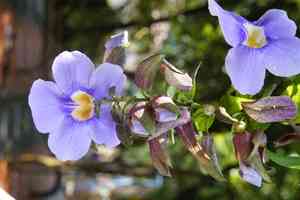
This robust climbing perennial, distinguished by its abundant leaves and bell-shaped blue blossoms, flourishes with consistent trimming. For laurel clockvine, the optimal periods for pruning are in early spring or late winter, fostering robust development and bloom production. Trimming should concentrate on eliminating deceased or excessively long branches to preserve its form and stimulate fresh sprouts. This practice improves air movement and diminishes pest problems, guaranteeing laurel clockvine stays lively and decorative throughout its active growth phase.
What Are the Benefits of Pruning Laurel Clockvine?
What Are the Benefits of Pruning Laurel Clockvine?
Trimming laurel clockvine promotes robust development and maintains its desired form. Regular cutting fosters a strong structure, enhancing its decorative appeal and ensuring a controlled, neat look. Strategic cuts revitalize the plant and prevent excessive growth.
What Is the Best Time for Pruning Laurel Clockvine?
What Is the Best Time for Pruning Laurel Clockvine?
Pruning laurel clockvine in late winter or early spring is advantageous as these periods coincide with the time just before its active growth phase begins. This timing allows laurel clockvine to recover quickly from pruning and direct its energy toward producing new growth under spring's favorable conditions. Furthermore, pruning before new shoots emerge minimizes damage to the plant's developing foliage and flowers. By removing dead or overgrown branches at this time, air circulation and sunlight can better penetrate the plant's interior, fostering healthy growth and reducing disease risk. Late winter pruning also eliminates any damage that may have occurred during colder months, while early spring trimming prepares laurel clockvine for the upcoming bloom period by potentially enhancing flower production.
What Tools Do I Need to Prune Laurel Clockvine?
Bypass Pruners
Ideal for making precise cuts on laurel clockvine's smaller stems. The sharp, curved blades allow for clean cuts without crushing plant tissues, promoting healthier regrowth.
Gardening Shears
Excellent for shaping laurel clockvine when it needs tidying or its spread controlled. Shears enable quick trimming of softer foliage and smaller stems.
Pruning Saw
Essential for cutting through laurel clockvine's older, woodier stems that may develop with age. A pruning saw can handle larger diameters that pruners cannot, ensuring a clean cut on thicker growth.
Loppers
Offer leverage for pruning slightly thicker branches that bypass pruners cannot manage, without needing a saw. They feature long handles, making it easier to reach into or behind dense growth.
How to Prune Laurel Clockvine
Identify
Inspect laurel clockvine thoroughly, focusing on locating any diseased or withered leaves that show signs of damage or decay.
Disinfect
Before cutting, clean pruning tools with a solution of equal parts water and rubbing alcohol to prevent the spread of disease during the pruning process.
Trim diseased
Carefully remove diseased leaves by cutting at the base of the affected leaf stem using clean, sharp shears. Make the cut clean and as close to the main stem as possible without causing damage.
Trim withered
Prune withered leaves similarly, ensuring each cut is precise to encourage healthy growth. Removing these leaves improves air circulation and redirects laurel clockvine's energy to healthier parts.
Cleanup
Gather all removed foliage and dispose of it away from healthy plants to prevent potential disease spread. Clean the tools again after completing the pruning process.
Common Pruning Mistakes with Laurel Clockvine
Over pruning
Removing too much foliage at once can stress laurel clockvine, leading to poor growth or making it susceptible to pests and diseases.
Improper cut location
Cutting too far from a node or into old wood may hinder new growth or cause dieback in laurel clockvine.
Using dull tools
Dull pruning tools can damage laurel clockvine's stems, leaving jagged cuts that are prone to infection.
Tearing stems
Ripping or tearing stems instead of making clean cuts can harm laurel clockvine's vascular system, impeding nutrient flow.
Not pruning at all
Failing to prune laurel clockvine can result in a leggy, overgrown plant with reduced flowering.
Common Pruning Tips for Laurel Clockvine
Clean cuts near nodes
Make clean cuts just above leaf nodes to encourage new growth in laurel clockvine. This method promotes bushier growth and more blooms.
Removal of dead material
Regularly remove any dead or diseased material to maintain laurel clockvine's health and stimulate new growth.
Thinning for light
Thin out dense growth to ensure sunlight and air circulation reach the interior of laurel clockvine, which is vital for its overall health.
Shape maintenance
Lightly shape laurel clockvine to maintain desired form, ensuring to make cuts at varying lengths to create a natural appearance.
Tool sanitation
Always use sanitized pruning tools to prevent the spread of disease when trimming laurel clockvine.



