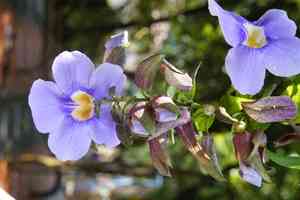
Laurel clockvine (Thunbergia laurifolia)
Also known as: Blue Trumpet Vine, Laurel Clockvine, Blue Skyflower
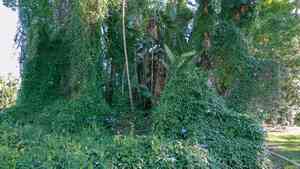
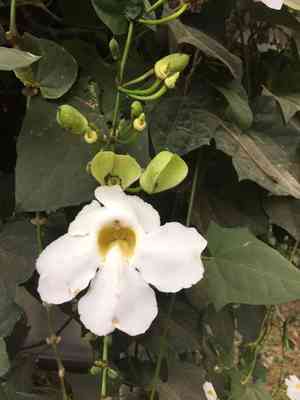
The Laurel clockvine (Thunbergia laurifolia) features striking lilac and yellow blooms that appeal to gardeners. During daylight, these flowers attract carpenter bees. While admired for its beauty, this plant has also become an invasive species in tropical regions like Brazil.
In This Article
Attributes of Laurel clockvine
Lifespan
Perennial
Plant Type
Vine
Plant Height
15 m
Spread
15 cm
Leaf Color
Green
Flower Size
8 cm to 10 cm
Flower Color
Purple Yellow Pink Lavender
Images of Laurel clockvine
Quickly Identify Laurel clockvine
1
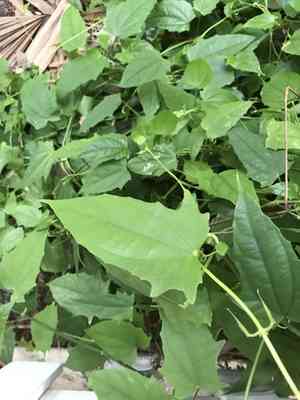
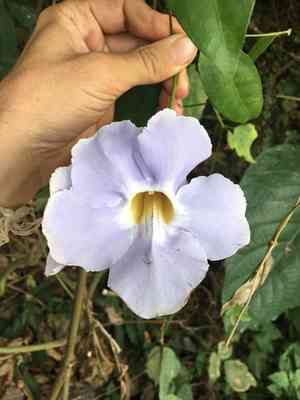
To identify Thunbergia laurifolia, look for its glossy, dark green, laurel-like leaves and its large, trumpet-shaped flowers with a striking blue to lavender color. The flowers typically have a white or yellow throat. The plant has a vigorous climbing habit and can cover large areas quickly.
Scientific Classification of Laurel clockvine
Phylum
Vascular plants
Class
Dicotyledons
Order
Lamiales
Family
Acanthus
Genus
Thunbergias
Species
Laurel clockvine
Planting and Growing of Laurel clockvine
Care Difficulty
Easy
Watering Schedule
Every 12 days
Sunlight Requirements
Full sun
Sunshine Duration
6-10 hours
Ideal Temperature
68-86℉
Soil Type
Potting Mix, Peat Mix
Soil pH
6.5-7.5
Fertilizer Type
Balanced
Pruning Season
Spring, Summer
Pruning Area
Branches, Leaves
Pruning Frequency
2 times a year
Repotting Season
Spring
Pot Type
Plastic, Ceramic
 How to Water Laurel clockvine?
For Thunbergia laurifolia, proper watering is crucial to maintain its lush foliage and vibrant flowers. The watering should be thorough, ensuring the soil remains consistently moist but not waterlogged. Typically, 500 milliliters per watering session is sufficient, but this may vary based on the plant's size and environmental conditions.
What are the symptoms of an underwatered Laurel clockvine?
›
What should I do if my Laurel clockvine is not getting enough water?
›
What are the symptoms of an overwatered Laurel clockvine?
›
How to save an overwatered Laurel clockvine?
›
 What Are the Sunlight Requirements for Laurel clockvine?
Partial to full sun exposure is ideal, providing 6 to 8 hours daily. Adequate light ensures robust growth, encouraging lush blooms and healthy plant development.
More About Sunlight Requirements Techniques→
What is the ideal location for Thunbergia laurifolia?
›
How can you ensure Thunbergia laurifolia gets its ideal light?
›
Why does Thunbergia laurifolia need specific light conditions?
›
 What Is the Ideal Temperature Range for Laurel clockvine?
Thunbergia laurifolia thrives within an ideal temperature range of 68°F to 86°F. These temperatures provide a conducive environment for photosynthesis while ensuring the plant remains healthy. Maintaining consistent warmth within this range helps optimize growth and flowering in Thunbergia laurifolia.
 What Soil is Best for Laurel clockvine?
Thunbergia laurifolia thrives in well-drained soils that prevent water from stagnating around the roots. This avoids root rot and keeps the plant healthy. The plant prefers soils with moderate fertility, providing essential nutrients to support robust growth and vibrant blooms without over-fertilization problems. Maintaining consistent moisture levels in the soil helps Thunbergia laurifolia avoid stress, promoting continuous growth and successful flowering.
 How to Fertilize Laurel clockvine?
For Thunbergia laurifolia, the recommended fertilizer amount should be moderate. Using a balanced 10-10-10 liquid fertilizer, dilute 1 tablespoon in 1 gallon of water. For slow-release granules, apply about 1/4 cup per plant, ensuring even distribution around the root zone. Over-fertilizing can lead to nutrient buildup and root damage.
 How to Prune Laurel clockvine?
Start by examining the general shape of Thunbergia laurifolia. Use a pair of clean, sharp pruning shears and remove any dead, damaged, or diseased stems to promote healthy growth. Focus on cutting back excessive lateral branches to enhance air circulation within the vine. Be sure to prune back unruly tendrils and shape them as desired, so the plant remains in the desired contour.
More About Pruning Techniques→
 How to Propagate Laurel clockvine plant?
1
Select healthy and disease-free plants. For seeds, choose mature seed pods; for cuttings, cut a 5-inch healthy stem just below a node.
2
Use a well-draining soil mix with equal parts sand, peat, and perlite. This ensures adequate drainage and root development for seedlings or cuttings.
3
Plant seeds at a depth twice their size, or insert cuttings one-third into the growing medium. Water lightly and maintain humidity using a plastic cover.
 How to Repot Laurel clockvine plant?
1
Repotting Thunbergia laurifolia is best done when you notice roots starting to grow out of the drainage holes. This indicates that the plant has outgrown its current pot, and it's a sign that it requires more space to continue thriving. Another good time is when the plant seems to have stopped growing despite all care. These are signals that indicate repotting could help improve its health.
2
Select a pot that is one size larger than the current one, with excellent drainage holes. A pot too large can cause the soil to retain too much moisture, leading to root rot. The right pot size facilitates sufficient growth space while ensuring excess water drains away effectively, promoting a healthy root system and overall plant vitality.
3
Opt for a well-draining potting mix rich in organic matter. This type of soil keeps Thunbergia laurifolia's roots aerated and prevents waterlogging, which could otherwise lead to root rot. A blend with components like perlite or sand can enhance drainage, offering the plant optimal growth conditions.



