How to Transplant Turtle grass?
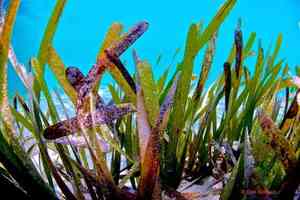
For turtle grass, mid-spring represents the ideal window for relocation, offering mild temperatures and steady illumination that aid in adaptation. Select an aquatic site with abundant solar exposure and gentle water movement. Should it be required, employ biodegradable coverings to secure nascent vegetation.
Essential Preparations Before Relocating Turtle Grass
When is the Best Time to Move Turtle Grass?
The prime period for moving turtle grass is in late spring to early summer. This timing allows the plant to develop a strong root system before intense summer heat, benefiting from moderate temperatures and increased daylight. Your aquatic garden will thrive from this well-timed relocation, as calm conditions prepare turtle grass for successful establishment and growth, ensuring a vibrant marine habitat.
What is the Recommended Spacing Between Turtle Grass Plants?
When moving turtle grass, ensure ample room for each plant to thrive. For optimal development, aim for a separation of 3-5 feet (0.9-1.5 meters). This spacing provides sufficient area for each plant to expand and flourish.
What is the Optimal Soil Mixture for Transplanting Turtle Grass?
The substrate is crucial for your turtle grass's development. It flourishes best in sandy or muddy soil enriched with organic material. Fertilize with a slow-release granular type to nourish the plant as it becomes established.
Where Should You Replant Your Turtle Grass?
Placement is vital! Turtle grass thrives in full sun to partial shade, making a spot in your garden with ample afternoon sunlight ideal. Remember, a brightly lit location promotes healthier plant development.
Equipment Needed Before Transplanting Turtle Grass
Gardening Gloves
To safeguard your hands while handling the plant and working with the soil.
Shovel
Necessary for digging holes and moving earth.
Bucket/Container
For transporting the turtle grass plant from its original spot to its new location.
Watering Can
Used for hydrating the turtle grass plant before, during, and after transplantation.
Garden Pruning Shears
Occasionally needed to trim damaged roots or leaves during the transplanting process.
How to Extract Turtle Grass from the Soil
How to Extract Turtle Grass from the Soil
From Ground: Gently water the turtle grass plant to moisten the soil, facilitating easier digging. Using your garden shovel, create a wide circle around the plant, ensuring enough space to avoid damaging the extensive root system common in turtle grass. Carefully maintain the root ball's integrity as you work your shovel around and beneath to lift the plant.From Pot: If transferring from a pot, water it thoroughly first to loosen any compacted soil. Apply gentle pressure to squeeze the pot's sides to loosen the soil and carefully tip the pot while supporting the base of the turtle grass plant. Ensure you handle it by the root ball and not the stems or leaves when moving it to the new site.From Seedling Tray: Once the turtle grass plant's seedlings have emerged and grown a few centimeters tall, prepare to transplant them. Be sure to water them before beginning the transplanting process. Carefully separate the seedlings, striving to preserve as many roots as possible. Handle them gently by their leaves, if feasible, not the stem.
Step-by-Step Guide for Relocating Turtle Grass
Preparation
Dig a hole at the new site that is twice as wide and as deep as the turtle grass plant's root ball. Then, partially refill the hole with loose soil for the root ball to rest on.
Planting
Carefully place the plant into the prepared hole, ensuring it sits at the same depth as it was in its previous location. Spread out the roots on the mound of soil in the hole.
Filling
Backfill the hole with more soil, gently compacting it around the base of the turtle grass plant.
Watering
Once the turtle grass plant is secure in its new spot, water it thoroughly. Be sure to maintain a consistent watering schedule.
Post-Transplant Care for Turtle Grass
Monitoring
After transplanting, observe your turtle grass plant for any indications of transplant shock, such as wilting foliage or a lack of growth. It's normal for the plant to take time to adjust to its new environment, but if symptoms persist, consult a local nursery or extension office.
Weeding
Regularly remove weeds from around your turtle grass plant to prevent competition for nutrients.
Pest Control
Be proactive in checking for and addressing any insects or pests that could harm your turtle grass. Many organic pest control options are available if needed.
Pruning
If the plant becomes too large or dense, consider trimming it back during its dormant period. This can encourage new, more compact growth.
Resolving Common Issues with Turtle Grass Transplantation
What is the best time to move turtle grass?
The optimal time to transplant turtle grass is during its active growth phases in the second to third season of the year.
What is the ideal spacing when planting turtle grass?
To allow for adequate spreading and growth, maintain a buffer zone of 3 to 5 feet (0.9 to 1.5 meters) between each plant.
Why is my transplanted turtle grass wilting?
Turtle grass might wilt after transplant due to shock. Keep the soil moist, spray with a mild sugar solution to aid recovery.
Should I remove all of the soil from the turtle grass roots before transplanting?
No, try to retain as much original soil around the root ball to minimize transplant shock. Turtle grass prefers undisturbed roots.
How deep should I plant turtle grass?
The plant should be positioned so that the root ball is level with or slightly above the soil surface to allow for settling.
Why are the leaves of my recently transplanted turtle grass turning yellow?
Yellowing leaves may indicate over-watering. Adjust watering; allow the top inch (2.5 cm) of soil to dry before watering again.
What kind of soil is ideal when transplanting turtle grass?
Turtle grass prefers a well-draining sandy or loamy soil with a proper balance of moisture and dryness.
How should I water turtle grass after transplanting?
Water your turtle grass immediately after transplanting, then water regularly ensuring the top inch (2.5 cm) of soil never completely dries out.
What precautions should I follow when handling turtle grass during transplantation?
Turtle grass requires careful handling during transplantation. Be sure not to damage roots and always lift from the root ball, not the stem, to prevent harm.
Should I fertilize turtle grass immediately after transplanting?
It's not mandatory, but gentle, slow-release fertilizers could support rooting. Avoid heavy, nitrogenous fertilizers that may cause growth spurts and stress turtle grass.



