How to Prune Turtle grass?
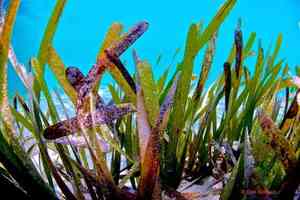
Turtle grass, a variety of seagrass, flourishes in aquatic settings and features elongated, strap-like blades. Appropriate care involves cutting back impaired or aged leaves to stimulate development. Trimming during spring, summer, or autumn coincides with its periods of vigorous growth. Strategic pruning benefits turtle grass by lowering disease risk and enhancing water circulation and light exposure, which are crucial for its well-being. Care must be taken to prevent excessive trimming, as it serves as a dwelling and food source for ocean creatures.
What Are the Benefits of Pruning Turtle Grass?
What Are the Benefits of Pruning Turtle Grass?
Trimming turtle grass promotes more robust development by eliminating old or overgrown leaves, enhancing light penetration and water circulation, which are crucial for its well-being. Regular trimming helps maintain its form, contributing to an attractive aquatic environment.
What Is the Best Time for Pruning Turtle Grass?
What Is the Best Time for Pruning Turtle Grass?
The optimal periods for trimming or pruning turtle grass coincide with its active growth and recovery phases. Spring pruning encourages healthy new growth as the plant's energy is directed towards renewal. Summer trimming supports continuous growth and shape maintenance during its peak growing season. Early fall pruning is recommended to prepare turtle grass for winter by removing excess growth without compromising its resilience, as its growth slows in cooler months. These times are ideal as they ensure turtle grass sustains its health, vitality, and can recover swiftly without disrupting its growth cycle or seasonal adaptations.
What Tools Do I Need to Prune Turtle Grass?
Aquatic Shears
For turtle grass, which thrives submerged in saltwater, long-handled aquatic shears are suitable. These shears enable gardeners to trim without significantly disturbing the marine habitat. They are designed to resist saltwater corrosion and can be operated from a boat or the shore.
Diving Knives
For precise tasks or when gardeners can dive to access turtle grass, diving knives are appropriate. They can cut through dense underwater foliage without tearing the blades, which is vital for preserving the health of turtle grass.
Handheld Pruning Scissors
For minor upkeep or above-water trimming when turtle grass is cultivated in a controlled setting like an aquarium, handheld pruning scissors can be used. These allow for selective trimming of the grass.
Underwater Pruners
Underwater pruners are specialized instruments crafted for delicate pruning work beneath the surface. They are perfect for turtle grass as they offer the ability to precisely trim specific areas without disturbing surrounding plant life.
How to Prune Turtle Grass
Identification
Thoroughly examine turtle grass to pinpoint diseased leaves, withered foliage, dead stems, and unhealthy branches that require removal.
Cutting technique
Utilize sharp, sanitized pruning shears to make clean cuts on turtle grass, removing affected leaves and branches without harming healthy tissues.
Remove diseased parts
Carefully detach diseased and withered leaves from turtle grass by cutting at the base of the leaf stem, ensuring all infected tissue is removed to prevent pathogen spread.
Trim dead branches
Cut off dead and diseased branches of turtle grass where they meet healthy branches, ensuring cuts are angled away from the plant's center to facilitate water runoff and prevent rot.
Disposal
Properly discard all removed parts of turtle grass to prevent potential disease spread or decay that could attract pests to the garden area.
Common Pruning Mistakes with Turtle Grass
Overpruning
Removing too much foliage from turtle grass, which can stress the plant and lead to reduced growth or even death.
Improper tool use
Using dull or dirty tools can damage turtle grass's blades and create entry points for disease.
Cutting too short
Cutting turtle grass's blades too short can harm the plant's ability to perform photosynthesis, weakening its overall health.
Tearing blades
Tearing or pulling at turtle grass rather than making clean cuts can create jagged edges, making the plant more susceptible to infections.
Neglecting cleanup
Failing to remove the cuttings from turtle grass after pruning can lead to decomposing plant material, which may encourage disease and pest issues.
Common Pruning Tips for Turtle Grass
Sharp clean tools
Use sharp and clean cutting tools to ensure clean cuts that will heal quickly and minimize risk of disease in turtle grass.
Moderate trim
Turtle grass benefits from moderate pruning, which should involve trimming the blades to maintain the plantâs natural shape and vigor without taking too much off.
Cut above meristem
When trimming turtle grass, always cut above the meristematic tissue to avoid damaging new growth, which can impact the plant's recovery and regrowth.
Post pruning care
After pruning turtle grass, ensure proper care by monitoring water quality and light conditions to support recovery and new growth.
Even distribution
Prune turtle grass by creating an even distribution of trimmed areas to maintain balance in growth and appearance and to ensure no part is overly pruned.



