The Turtle grass Plant Advantage: Maximizing Home and Office Appeal and Wellness
1
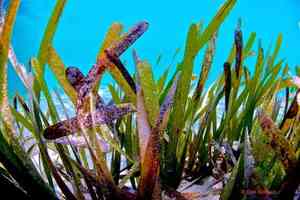
Seagrass meadows are essential for shoreline stabilization.
2
Seagrass beds offer critical breeding grounds for aquatic organisms.
3
Seagrass plays a major part in storing atmospheric carbon.
How Does Turtle grass Prevent Coastal Erosion?
Root System Stability
Turtle grass possesses an intricate root network that helps secure the seafloor and shoreline. These complex roots interweave with the soil and sand, making it challenging for waves and currents to dislodge them. This inherent stabilization mechanism is crucial for preventing coastal erosion and preserving the integrity of shorelines.
Wave Energy Dissipation
The dense beds formed by Turtle grass serve as natural buffers against incoming wave energy. As waves encounter the seagrass meadows, their force is significantly diminished, thereby lessening the impact on the coast. This dampening effect is vital for safeguarding coastal infrastructure and communities from the destructive impacts of storms and high tides.
What Role Does Turtle grass Play in Marine Biodiversity?
Nursery Habitats
Turtle grass meadows offer crucial nursery grounds for a wide variety of marine organisms, including fish, crustaceans, and mollusks. The thick foliage provides refuge and protection from predators, along with abundant food sources for young marine life. This supportive environment is essential for the development and survival of numerous marine species.
Ecosystem Support
Beyond serving as nurseries, Turtle grass beds sustain complex ecosystems by providing dwelling and nourishment to diverse flora and fauna. The presence of Turtle grass enhances the health and biological diversity of marine environments by fostering interactions among different species, promoting balanced food webs and ecological connections.
How Does Turtle grass Contribute to Carbon Sequestration?
Carbon Storage
Turtle grass is highly effective at capturing carbon dioxide from the atmosphere. Through photosynthesis, this seagrass absorbs CO2 and transforms it into organic carbon, which is then stored in its biomass and sediment. Over time, substantial amounts of carbon become trapped in the seabed, aiding in the mitigation of global climate change.
Long-Term Benefits
The carbon sequestration capacity of Turtle grass offers enduring advantages as the accumulated carbon can remain stored for centuries, provided the seagrass meadows are undisturbed. This makes Turtle grass a vital component in global efforts to manage climate change and reduce atmospheric carbon levels.
How Does Turtle grass Impact Water Quality and Clarity?
Nutrient Filtration
Turtle grass functions as a natural filter for coastal waters by trapping suspended particles and absorbing excess nutrients from agricultural runoff and wastewater. This purification process helps improve water quality, making it clearer and healthier for both marine life and human activities such as swimming and snorkeling.
Ecosystem Balance
By regulating nutrient levels, Turtle grass prevents issues like eutrophication, which can lead to harmful algal blooms and oxygen depletion in aquatic environments. Maintaining balanced nutrient levels ensures healthier marine ecosystems and promotes the overall resilience of coastal environments.
What Are the Economic Benefits of Turtle grass?
Fisheries Support
The abundant marine life sustained by Turtle grass meadows leads to thriving fisheries, which are crucial for local economies. By providing essential habitats and food sources for commercially significant species, Turtle grass plays an indirect yet important role in supporting commercial and subsistence fisheries.
Tourism and Recreation
Healthy Turtle grass meadows attract tourists and recreational divers who seek vibrant and diverse marine environments. The allure of snorkeling and diving in areas with flourishing seagrass beds can boost local tourism, creating economic opportunities for coastal communities.



