How to Propagate Turtle grass?
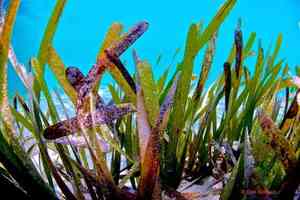
Turtle grass flourishes when reproduced via the cutting technique. For peak development, guarantee the selection of vigorous, sturdy sections of the rhizome. Insert these cuttings into a medium suitable for their aquatic habitat, preserving adequate hydration and offering support for the emerging growth. This strategy aids in preserving the wholeness and vigor of turtle grass, fostering a verdant, thriving seafloor in delicate subaquatic ecosystems.
What Is the Best Time To Propagate Turtle Grass?
Propagation Type
Cutting
Propagation Season
Spring,Summer
What Tools Are Used in Turtle Grass Propagation?
Sharp scissors or shears
These instruments are utilized for executing precise and clean cuts on the rhizomes or shoots of turtle grass. A clean incision helps prevent pathogen entry and encourages faster healing and root formation in turtle grass, ensuring the new plant begins robustly.
Water tanks or trays
Essential for the aquatic habitat of turtle grass, water tanks or trays offer the required watery environment for turtle grass cuttings to establish roots. Maintaining suitable water parameters in these containers, such as temperature and salinity, mimics turtle grass's natural surroundings, boosting the overall propagation success rate.
Rooting hormone
While not always essential, applying a rooting hormone to the severed sections of turtle grass can stimulate quicker root development and enhance overall vigor during the initial growth phases. This aid is particularly beneficial if the propagator aims to accelerate the establishment period of turtle grass.
Tweezers or forceps
Employed for handling delicate fragments of turtle grass during the cutting and planting process. They assist in accurately positioning turtle grass cuttings into the growth medium without inflicting damage to the plant tissue, which is vital for turtle grass's survival and development.
How to Propagate Turtle Grass?
Propagation Type
Easy
How to Care for Your Newly Propagated Turtle Grass?
How to Care for Your Newly Propagated Turtle Grass?
Following turtle grass propagation, sustain ideal growing conditions by ensuring the aquatic environment receives moderate light exposure and stable water parameters. Protection from excessive wave action and avoiding exposure to pollutants are critical for the plant's health. Regular monitoring for pests and diseases, along with ensuring the surrounding area is free of invasive species, will support the healthy growth and spread of turtle grass.
Common Mistakes to Avoid When Propagating Turtle Grass
Ignoring water quality
Utilizing substandard or contaminated water can introduce detrimental substances to turtle grass, negatively impacting its growth and vitality.
Overcrowding cuttings
Planting turtle grass cuttings too closely together can restrict access to sunlight and nutrients, hindering their growth and increasing susceptibility to illnesses.
Improper cutting size
Employing cuttings that are too small or too large can impede root development and overall plant stability, diminishing the propagation success rate.
Tips For Propagating Turtle Grass
Use clean, sharp tools
Ensuring all cutting implements are clean and sharp helps prevent disease transmission and promotes healthier cuts, aiding faster recovery and growth.
Select healthy parent plants
Choosing vigorous and disease-free parent plants for cuttings guarantees that the propagated turtle grass inherits strong genetic traits, improving survival prospects.
Maintain optimal water conditions
Keeping the water conditions (such as salinity and temperature) within the ideal range for turtle grass encourages healthier growth and better adaptation of new plants.



