How to Transplant Cutleaf germander?
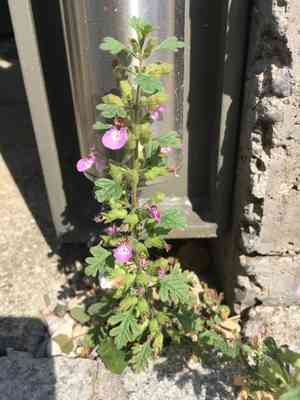
The ideal period for relocating cutleaf germander spans from early spring through its mid-season flowering, offering a combination of temperate conditions and prime development prospects. Select a sunny location featuring soil that drains effectively. When transferring cutleaf germander, carefully assist its root system in establishing itself in the fresh site.
What Preparations are Needed Before Transplanting Cutleaf Germander?
What is the Ideal Time for Transplanting Cutleaf Germander?
For cutleaf germander, the optimal transplanting period occurs as winter's grip loosens, typically spanning from the last frosts to the onset of consistent warmth. Relocating cutleaf germander during this timeframe promotes strong root development before the summer heat. This timing ensures cutleaf germander benefits from moderate temperatures, balancing growth without summer's strain, fostering a flourishing beginning. Embrace this gentle season, as your cutleaf germander will reward you with robust growth and vibrant beauty.
How Much Space Should You Leave Between Cutleaf Germander Plants?
Prior to relocating your cutleaf germander, ensure adequate room for their development. Aim for a spacing of approximately 6-8 inches (15-20 cm) between them. This guarantees each cutleaf germander has sufficient area for root expansion and leaf proliferation, encouraging healthy growth!
What is the Best Soil Mix for Cutleaf Germander Transplanting?
Your cutleaf germander will flourish in well-draining soil abundant in organic material. Incorporate a balanced, slow-release fertilizer into the soil to provide your cutleaf germander with a strong start. This preparation establishes the perfect groundwork for your cutleaf germander to thrive.
Where Should You Relocate Your Cutleaf Germander?
Select a sunny location in your garden for your cutleaf germander, as they enjoy ample sun exposure. Seek out a spot where they can receive at least 6 hours of sunlight daily, to ensure they develop robustly and vibrantly!
What Equipments Should You Prepare Before Transplantation Cutleaf Germander?
Gardening Gloves
To safeguard your hands while handling soil and plants.
Trowel
For excavating small holes and moving seedlings or smaller plants.
Spade or Shovel
For digging up larger plants from the ground or containers.
Watering Can or Hose
For hydrating the plant before and after relocation.
Pruners or Scissors
For trimming any dead or excess growth prior to transplanting.
Measuring Tape
To guarantee precise spacing between the transplanted specimens.
Garden Fork
For loosening and aerating the soil surrounding the root ball.
Planting Label
To identify the relocated cutleaf germander with the planting date and any other pertinent details.
Wheelbarrow or Garden Cart
For moving the cutleaf germander and soil amendments, if necessary.
How Do You Remove Cutleaf Germander from the Soil?
How Do You Remove Cutleaf Germander from the Soil?
From Ground: First, thoroughly water the cutleaf germander plant several hours beforehand to ensure the soil is moist and roots are hydrated. Carefully dig a wide circle around the cutleaf germander, taking care not to harm the root ball. Use a spade to loosen the soil and gently lift the plant out.From Pot: Water the cutleaf germander well before beginning. Tilt the pot sideways and gently tap or squeeze the sides to loosen the root ball. Support the cutleaf germander by its base and carefully slide it out of the pot, ensuring the root ball remains intact.From Seedling Tray: Water the seedlings prior to starting to make the soil pliable. Use a trowel or a small stick to carefully lift each cutleaf germander seedling from its cell, making sure to include the surrounding soil and keep the roots undisturbed.
Step-by-Step Guide for Transplanting Cutleaf Germander
Preparation
Prepare the new planting site by clearing any weeds and debris. Loosen the soil with a garden fork and incorporate compost if needed.
Digging the Hole
Excavate a hole that is twice the width and the same depth as the cutleaf germander's root ball using a trowel or shovel.
Placing the Plant
Carefully position the cutleaf germander in the center of the hole, ensuring the top of the root ball is level with the surrounding soil surface.
Backfilling
Gently refill the hole with the excavated soil, lightly tamping around the cutleaf germander to eliminate air pockets and ensure good root contact with the soil.
Watering
After planting, generously water the cutleaf germander to help settle the soil and provide moisture to the roots.
Mulching
Apply a layer of organic mulch, such as straw or wood chips, around the base of the cutleaf germander to help retain soil moisture and regulate soil temperature.
How Do You Care For Cutleaf Germander After Transplanting?
Watering
Water the cutleaf germander consistently to maintain even soil moisture, especially during the initial weeks following transplantation.
Mulching
Maintain a layer of mulch around the cutleaf germander to aid in retaining soil moisture and suppressing weeds.
Monitoring Health
Periodically inspect the cutleaf germander for indications of transplant shock, such as wilting or discolored leaves, and take appropriate measures if necessary.
Supporting Growth
Provide a stake or plant support if the cutleaf germander exhibits signs of leaning or instability as it develops.
Pruning
Trim any damaged or unhealthy growth to redirect the cutleaf germander's energy towards establishing strong roots and healthy foliage.
Troubleshooting Common Issues with Cutleaf Germander Transplantation.
What's the best time to transplant cutleaf germander?
The optimal season for relocating cutleaf germander is from early to mid-spring, ensuring a gentle start for its growth.
How much space does cutleaf germander need when transplanting?
When relocating cutleaf germander, aim for a spacing of approximately 6-8 inches (15-20 cm) to provide each plant ample room to flourish.
Should cutleaf germander be watered immediately after transplanting?
Yes, provide cutleaf germander with a thorough watering immediately after transplanting to help settle the soil and minimize transplant shock.
How deep should I plant cutleaf germander's roots in the soil?
Plant cutleaf germander's roots just deep enough to cover them with soil, generally not exceeding their original depth.
Can cutleaf germander be transplanted on a sunny day?
Transplanting cutleaf germander on an overcast day is ideal to reduce stress, but if a sunny day is unavoidable, do it during cooler hours.
What type of soil is best for transplanting cutleaf germander?
Utilize well-draining soil rich in organic matter to create a healthy environment for cutleaf germander's roots.
How do I know if cutleaf germander is getting too much water after transplanting?
If cutleaf germander's leaves turn yellow or the soil remains soggy, you might be overwatering. Adjust accordingly.
What should I do if cutleaf germander's leaves wilt after transplanting?
Wilting post-transplant can be normal; ensure cutleaf germander has sufficient water and shade from intense sun while it acclimates.
Can I use fertilizer immediately after transplanting cutleaf germander?
Wait a few weeks before applying fertilizer to cutleaf germander to prevent root burn while they are still establishing.
How can I prevent transplant shock in cutleaf germander?
Keep cutleaf germander's roots moist during the transplant process, avoid excessive root disturbance, and water thoroughly after planting.



