How to Prune Cutleaf germander?
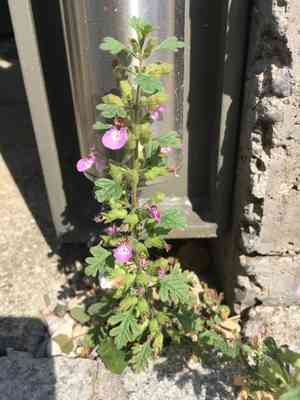
Recognized for its deeply lobed leaves, cutleaf germander flourishes with judicious trimming. Snip spent blossoms after flowering to stimulate fresh development and preserve its form. The springtime is perfect for excising lifeless or injured stalks, fostering robustness. Gentle trimming during summer helps cutleaf germander stay dense. Autumnal pruning ought to be kept to a minimum to avert harm from chilly temperatures. Trimming improves air circulation, lowers the chance of illness, and guarantees a fuller look.
Why Prune Cutleaf Germander?
Why Prune Cutleaf Germander?
Pruning cutleaf germander is crucial for encouraging robust growth by eliminating dead or weak stems, enhancing air circulation, and improving light exposure. Consistent shaping maintains the plant's desired form and dimensions, ensuring its health and visual appeal.
Optimal Pruning Time for Cutleaf Germander
Optimal Pruning Time for Cutleaf Germander?
Trimming or pruning cutleaf germander in late spring to early summer (after the final frost) enables gardeners to shape the plant and stimulate new growth before its active development phase. This timing also helps prevent stress and harm to cutleaf germander as it avoids the peak of vegetative growth. Early autumn is also suitable for light pruning, which aids in preserving the plant's shape and general health, while preparing cutleaf germander for the dormant winter period. It is vital to avoid pruning during late fall or winter when the plant is susceptible to cold damage. Furthermore, pruning during this window aligns with cutleaf germander's natural growth cycle, allowing it to recover swiftly and flourish, benefiting both its flowering and vegetative states.
Tools Required for Pruning Cutleaf Germander
Hand Pruners (Secateurs)
Perfect for cutting stems up to 1/2 inch in diameter, which suits the typical size of cutleaf germander's stems. They provide a clean cut that promotes healthy regrowth.
Garden Scissors
Useful for shaping cutleaf germander and trimming any soft, non-woody growth. Their precision allows for careful snipping, which is well-suited to the delicate foliage of cutleaf germander.
Pruning Shears
Ideal for seasonal upkeep, to trim back cutleaf germander and maintain its desired form. They offer greater control and can manage both soft and slightly woody stems.
Hedge Shears
These are appropriate for shaping larger areas of cutleaf germander, especially when forming hedges or maintaining uniform lines. They facilitate quick, straight cuts across multiple stems.
Steps to Prune Cutleaf Germander
Sanitize tools
Ensure that pruning implements are clean and sharp to prevent disease transmission and make precise cuts on cutleaf germander.
Identify
Locate withered leaves that are brown, dry, or visibly damaged on cutleaf germander that require removal.
Remove withered leaves
Carefully snip the withered leaves at their base where they meet the stem or a healthy part of cutleaf germander, avoiding damage to adjacent foliage.
Discard
Collect and dispose of the removed withered leaves to reduce the risk of disease and pest infestation around cutleaf germander.
Monitor
Observe cutleaf germander after pruning for signs of fresh growth or any stress, to ensure it remains healthy and well-shaped.
Common Pruning Errors with Cutleaf Germander
Excessive pruning
Removing too much foliage from cutleaf germander can stress the plant and hinder its ability to photosynthesize effectively, leading to diminished health.
Dull tools
Using blunt or dirty pruning tools can result in jagged cuts that are more susceptible to disease and may not heal properly.
Incorrect cut placement
Cutting too far from a bud or node, or too close, can either lead to dead stubs that attract pests and disease or harm the bud itself.
Ignoring diseased material
Failing to remove diseased or damaged stems can allow problems to persist and spread to other parts of cutleaf germander.
Neglecting tool sanitization
Not sanitizing tools between cuts, especially when moving between plants, can spread pathogens.
Pruning without a plan
Random or aimless pruning without understanding the growth pattern of cutleaf germander often leads to unsatisfactory results and may disrupt the natural shape of the plant.
General Pruning Advice for Cutleaf Germander
Clean cuts
Make clean cuts using sharp, sanitized pruning shears to minimize damage and promote quick healing.
Cut above node
Prune stems just above a leaf node or bud, ensuring that the angle of the cut allows water to run off and not collect on the cut surface.
Thinning
Thin out crowded areas to increase air circulation and light penetration, which will benefit the overall health and flowering of cutleaf germander.
Removal of debris
After pruning, clear away any fallen or pruned material to prevent any disease from breeding and spreading.
Shape maintenance
Regularly prune to maintain the desired shape and size of cutleaf germander, taking care not to alter its natural growth habit aggressively.
Consistent monitoring
Regularly inspect cutleaf germander for dead, damaged, or diseased stems, and prune these away promptly to maintain plant vigor.



