How to Propagate Cutleaf germander?
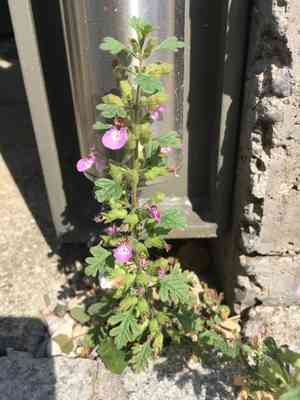
Cutleaf germander flourishes when reproduced by seeding. For optimal development, choose a growing substrate that drains effectively and is abundant in organic material. Disperse the seeds sparsely to prevent excessive density, which could hinder their progress. Moderate irrigation and sustaining consistent humidity without saturation are ideal. Offering a location with full sun to partial shade will foster robust expansion.
Optimal Time for Cutleaf Germander Propagation
Propagation Method
Seeding
Propagation Period
Spring
Equipment for Cutleaf Germander Propagation
Seed trays
Seed trays are essential for initiating cutleaf germander from seeds, offering an organized area for initial development. Their shallow design ensures seeds aren't buried too deeply, which is advantageous for the small seeds of cutleaf germander, promoting consistent growth conditions and easier moisture level monitoring.
Soil mix
A well-draining, nutrient-rich soil blend supports the successful sprouting and early growth of cutleaf germander seeds. The soil should be light and capable of retaining moisture without becoming saturated, which prevents root decay and encourages healthier seedling development.
Watering can with a fine nozzle
This implement allows for gentle irrigation that doesn't disrupt the soil or the seeds of cutleaf germander. A fine nozzle aids in distributing water evenly, providing the necessary moisture for germination while minimizing soil erosion or seed displacement.
Growth lights
Growth lights are especially useful for supplying consistent and sufficient illumination, particularly vital during the germination and seedling phases of cutleaf germander if natural light conditions are suboptimal. The correct light spectrum fosters vigorous and steady growth.
Temperature control system
Maintaining a stable and suitable temperature is crucial for the germination of cutleaf germander seeds. A temperature control system, such as a heat mat or a regulated greenhouse environment, ensures that the seeds of cutleaf germander are kept within an optimal temperature range, promoting higher germination rates and healthier early growth.
How to Propagate Cutleaf Germander?
Propagation Type
Simple
Caring for Your Newly Propagated Cutleaf Germander
Caring for Your Newly Propagated Cutleaf Germander
Post-germination, allow cutleaf germander seedlings to mature until they have developed a few true leaves. Gradually introduce them to direct sunlight, then transplant them to their permanent spot, ensuring well-draining soil. Water consistently to keep the soil moist but not waterlogged, and apply a balanced, slow-release fertilizer annually. Cutleaf germander thrives in a sunny location and tolerates dry conditions once established, though regular watering helps maintain vigor and dense foliage.
Common Errors to Avoid When Propagating Cutleaf Germander
Overwatering
Excessive watering can lead to root rot in cutleaf germander, as its roots require well-drained soil to remain healthy. Too much moisture can suffocate the roots, hindering growth and potentially killing the plant.
Deep planting
Planting cutleaf germander too deeply can cause its stems to decay. Cutleaf germander's stem bases are particularly vulnerable to moisture-related diseases, which are worsened by deep planting.
Neglecting light requirements
Failing to provide adequate light during propagation can result in weak, elongated growth. Cutleaf germander requires ample sunlight to develop strong, healthy shoots, and insufficient light can impede its development.
Tips For Propagating Cutleaf Germander
Use well-draining soil
Plant cutleaf germander in well-draining soil to prevent waterlogging and root rot. Good drainage ensures that excess water can escape, protecting the roots and promoting healthier growth.
Maintain moderate watering
Water cutleaf germander moderately to keep the soil moist but not waterlogged. Consistent, light watering supports root development without over-saturating the soil.
Provide plenty of light
Ensure that cutleaf germander receives plenty of sunlight during the propagation process. Ample light is crucial for photosynthesis and helps establish a robust, healthy plant.



