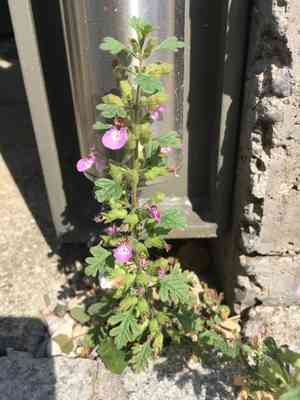
Cutleaf germander (Teucrium botrys)
Also known as: Cut-leaved Germander, Cutleaf Germander
Cutleaf germander (Teucrium botrys) is a herbaceous plant identifiable by its delicate purple flowers when in bloom. It commonly thrives in the wild along the edges of cultivated fields and in disturbed soils. While it is sometimes grown for its attractive foliage and flowers, it is typically found in dry, rocky, or sandy terrains.
In This Article
Attributes of Cutleaf germander
Lifespan
Annual
Plant Type
Herb
Plant Height
10-40 cm
Spread
10-20 cm
Leaf Color
Green
Flower Size
0.5-1 cm
Flower Color
Pink Purple
Images of Cutleaf germander
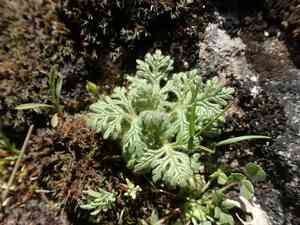
Quickly Identify Cutleaf germander
1
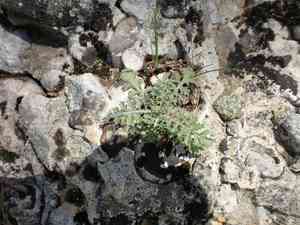
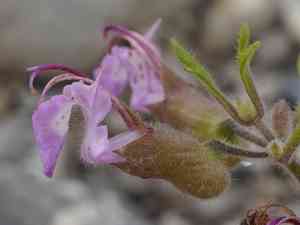
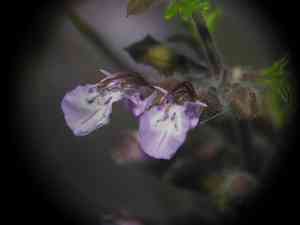
Teucrium botrys can be identified by its deeply lobed, almost fern-like leaves and its small, bilabiate flowers that are typically pink to purple in color. The plant often grows in rocky or sandy soil and can be found in disturbed areas such as roadsides and fields.
Scientific Classification of Cutleaf germander
Phylum
Vascular plants
Class
Dicotyledons
Order
Lamiales
Family
Mint
Genus
Germanders
Species
Cutleaf germander
Planting and Growing of Cutleaf germander
Care Difficulty
Easy
Watering Schedule
Every 2 days
Sunlight Requirements
Full sun
Sunshine Duration
6-10 hours
Ideal Temperature
60-75℉
Soil Type
Potting Mix, Peat Mix
Soil pH
6.5-7.5
Fertilizer Type
Balanced
Pruning Season
Spring, Summer
Pruning Area
Branches, Leaves
Pruning Frequency
2 times a year
Repotting Season
Spring
Pot Type
Plastic, Ceramic
 How to Water Cutleaf germander?
Teucrium botrys thrives when watered with about 250 ml each time. The goal is to keep the soil lightly moist but not soggy. Over-wet conditions can harm the roots and reduce oxygen availability. Follow the finger test: press your finger into the top inch of soil; if it's dry, it's time to water.
What are the symptoms of an underwatered Cutleaf germander?
›
What should I do if my Cutleaf germander is not getting enough water?
›
What are the symptoms of an overwatered Cutleaf germander?
›
How to save an overwatered Cutleaf germander?
›
 What Are the Sunlight Requirements for Cutleaf germander?
Teucrium botrys flourishes in partial to full sun contexts, ideally with 4 to 6 hours of sunlight daily. Ideal lighting promotes dense growth and robust flowering, enhancing the plant's ornamental and ecological benefits in any garden.
More About Sunlight Requirements Techniques→
What is the ideal lighting for Teucrium botrys?
›
How to achieve the ideal lighting?
›
What benefits does ideal lighting bring?
›
 What Is the Ideal Temperature Range for Cutleaf germander?
Plants like Teucrium botrys thrive between 60°F and 75°F. Within this range, they can efficiently carry out processes like photosynthesis, respiration, and transpiration, leading to healthy growth and reproduction.
 What Soil is Best for Cutleaf germander?
Teucrium botrys requires soils with excellent drainage to prevent root rot. Sandy loam ensures that the roots are not waterlogged, promoting healthy growth, and reducing the risk of diseases associated with excessive moisture. Ensure the soil is enriched with organic matter to support Teucrium botrys’s growth. Nutrient-rich loam provides a steady supply of essential nutrients, helping the plant maintain its vibrant foliage and encouraging robust blooming cycles. A soil pH ranging from 6.5 to 7.5 is ideal for Teucrium botrys. This balance allows effective nutrient uptake and supports the activity of beneficial soil microbes, crucial for overall plant health and resilience.
 How to Fertilize Cutleaf germander?
For Teucrium botrys, a balanced, water-soluble fertilizer should be applied at a rate of 1/2 teaspoon per gallon of water. Make sure to water the soil thoroughly before and after applying to prevent root burn.
 How to Prune Cutleaf germander?
Start by identifying dead or damaged stems and remove them at the base. Next, focus on cutting back any overly long or unruly shoots to maintain the desired shape. If the plant is growing too densely, thin out the interior to improve air circulation. Finish off by trimming back about one-third of the overall growth to encourage robust blooming. Prune during Spring and Summer when the plant is actively growing. This timing will help recover quickly and promote a new flush of growth. Avoid pruning in Autumn and Winter as the plant is typically dormant, making it harder for it to repair itself.
More About Pruning Techniques→
 How to Propagate Cutleaf germander plant?
1
Collect seeds from mature Teucrium botrys plants in late summer. Dry them thoroughly before storage to prevent mold and maintain viability for spring planting.
2
In spring, take 4-6 inch cuttings from healthy, non-flowering stems. Ensure the cuts are clean and sharp to prevent plant damage and encourage rooting.
3
Division can be done in early spring. Carefully dig up mature plants and separate root clusters by hand or with a clean, sharp knife to minimize damage.
 How to Repot Cutleaf germander plant?
1
Repot your Teucrium botrys when it shows signs of being root-bound, such as roots emerging from the drainage holes or a reduced growth rate. Early Spring and Summer are ideal periods due to optimum growing conditions, helping the plant settle faster.
2
Select a pot that is just one size larger than the current one. It should have adequate drainage holes to prevent waterlogging. A slightly bigger pot will provide space for growth while preventing excessive soil moisture.
3
Opt for a well-drained potting mix, preferably one with a mix of sand, peat, and perlite. This blend ensures proper aeration and prevents root rot, offering a healthy root environment for Teucrium botrys.



