How to Transplant Mojave cottonthorn?
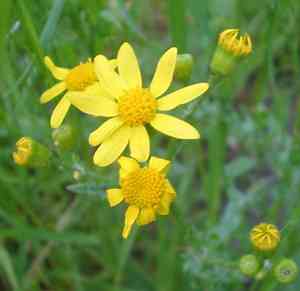
Mojave cottonthorn flourishes when relocated during the warmer months, preferably from late summer to early autumn, due to beneficial soil warmth and hydration. Place it in a bright, adequately draining location for peak development. A single piece of advice: provide moderate watering after transplanting.
Necessary Preparations Before Relocating Mojave Cottonthorn?
Optimal Period for Moving Mojave Cottonthorn?
The most suitable time to relocate mojave cottonthorn is during the middle to end of summer or the beginning of autumn. These periods enable the plant to establish its root system prior to winter dormancy. Moving it at this time allows mojave cottonthorn to benefit from warm soil temperatures and extended daylight, fostering robust root development and overall plant vitality.
Required Spacing Between Mojave Cottonthorn Plants?
For mojave cottonthorn, you should position each plant approximately 24-36 inches (60-90 cm) apart. This provides sufficient room for growth and ensures proper air circulation, which is crucial for their well-being.
Best Soil Blend for Mojave Cottonthorn Relocation?
Prepare a well-draining soil combined with organic material. This helps maintain some moisture without becoming waterlogged. Incorporating a balanced, slow-release base fertilizer will give mojave cottonthorn an excellent start.
Where to Replant Your Mojave Cottonthorn?
Select a sunny location for mojave cottonthorn to flourish. This plant prefers full sunlight, receiving at least 6 hours of direct light daily. Be sure to avoid shaded areas to help it grow strong and healthy.
Equipment Needed Before Transplanting Mojave Cottonthorn?
Gardening Gloves
To safeguard your hands while handling soil and the plant.
Shovel or Spade
For excavating around and lifting the plant from its original spot.
Garden Fork
To loosen the earth and assist in lifting the root ball with minimal harm.
Watering Can or Hose
To hydrate the plant before and after its relocation.
Wheelbarrow
To move the plant if it is large or from a distant area.
Pruning Shears
To trim any damaged or excessively long roots before replanting.
How to Extract Mojave Cottonthorn from the Ground?
How to Extract Mojave Cottonthorn from the Ground?
From Ground: First, irrigate the mojave cottonthorn plant to moisten the soil. Next, dig a wide trench around the plant using a shovel or spade, ensuring the plant's root ball remains intact. Carefully work the spade beneath the root ball to lift the plant from its initial position.From Pot: Water the mojave cottonthorn plant thoroughly. Hold the container with one hand and gently tap its sides to loosen the soil. Tilt the pot and carefully slide the plant out, supporting the root ball with your hand.From Seedling Tray: Water the seedlings well. Use a small garden fork or your fingers to gently loosen the soil surrounding the seedling. Lift the seedling by its leaves, not its stem, to prevent damage.
Step-by-Step Guide for Relocating Mojave Cottonthorn
Prepare the New Location
Ensure the receiving hole is twice the size of the mojave cottonthorn's root ball and deep enough to cover its roots.
Soil Preparation
Incorporate compost or organic matter into the soil within the hole to enhance its texture and nutrient content.
Plant Placement
Position the mojave cottonthorn in the hole, making sure the top of the root ball is level with or slightly above the surrounding soil.
Backfill
Refill the hole with soil, gently compacting it around the roots to eliminate air pockets.
Water Thoroughly
Water the soil generously to settle it around the roots and provide moisture to aid the plant's establishment.
Post-Transplant Care for Mojave Cottonthorn?
Watering
Maintain consistent moisture in the soil around the mojave cottonthorn, avoiding sogginess, for the initial weeks after transplanting to encourage strong root development.
Mulching
Apply a layer of mulch around the plant's base to retain moisture and regulate soil temperature.
Monitoring
Regularly inspect the mojave cottonthorn for signs of stress such as wilting or yellowing leaves, and adjust care as needed by providing more or less water.
Addressing Common Issues with Mojave Cottonthorn Relocation.
When is the optimal time to move mojave cottonthorn?
Relocate mojave cottonthorn ideally from mid-summer to early autumn for the highest chance of success.
What spacing does mojave cottonthorn require when being moved?
Mojave cottonthorn should be spaced 24-36 inches (61-91 cm) apart to allow ample growth room.
How should I prepare the soil for relocating mojave cottonthorn?
Ensure well-draining soil with a blend of sand and organic matter for optimal growth.
What are the initial watering needs after moving mojave cottonthorn?
Water thoroughly after transplanting and keep the soil consistently moist for the first few weeks.
How can I prevent transplant shock for mojave cottonthorn?
Acclimate mojave cottonthorn by gradually exposing it to the new location's conditions over a week.
Should I fertilize mojave cottonthorn after relocation?
Use a balanced, slow-release fertilizer after transplanting to support healthy root development.
How deep should I plant mojave cottonthorn in its new spot?
Plant mojave cottonthorn at the same depth it was growing previously to avoid stress.
What precautions should I take against pests after moving mojave cottonthorn?
Inspect mojave cottonthorn regularly and use organic pesticides if necessary to protect against pests.
How to ensure sufficient sunlight for relocated mojave cottonthorn?
Position mojave cottonthorn in a sunny spot receiving at least 6 hours of full sun daily.
What to do if mojave cottonthorn shows signs of wilting after relocation?
Check soil moisture levels and provide extra water until mojave cottonthorn establishes strong roots.



