How to Prune Mojave cottonthorn?
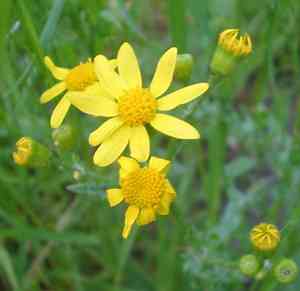
This enduring woody plant, recognized by its thorny stems and fuzzy foliage, thrives with early spring trimming. Essential methods involve excising deceased or compromised wood, reducing dense branches, and sculpting the plant to enhance air circulation and light exposure. Trimming mojave cottonthorn stimulates robust growth and blooming while reducing the risk of illness. The timing is vital; perform pruning as the plant awakens from its dormant state to optimize recuperation and vitality. Consistent upkeep guarantees strong development and an aesthetically pleasing structure.
What Are the Benefits of Pruning Mojave Cottonthorn?
What Are the Benefits of Pruning Mojave Cottonthorn?
Trimming mojave cottonthorn encourages robust development and maintains its form, fostering vigorous growth and preventing excessive size. This boosts blooming, enhances appearance, and lessens pest and disease issues, keeping the plant vibrant and appealing.
What Is the Best Time for Pruning Mojave Cottonthorn?
What Is the Best Time for Pruning Mojave Cottonthorn?
Pruning in early spring is optimal for mojave cottonthorn as it aligns with the plant's growth pattern. This timing ensures trimming occurs before the active growing period, allowing the plant to recover swiftly and promote healthy new growth. Furthermore, early spring pruning minimizes harm to new buds or flowers, as mojave cottonthorn primarily begins its development post-trimming. A timely early spring cut also aids in shaping the plant and managing its dimensions, ensuring improved air circulation and reducing disease risk.
What Tools Do I Need to Prune Mojave Cottonthorn?
Bypass Pruners
Perfect for making precise cuts on living stems, crucial for maintaining the plant's vitality.
Anvil Pruners
Suitable for severing dead branches, aiding in the effective management of damaged or deceased parts.
Pruning Saw
Essential for thicker branches that hand pruners cannot manage, ensuring accurate and clean cuts.
Long-handled Loppers
Useful for reaching elevated branches and providing leverage for cutting thicker stems without strain.
Gloves
Important for safeguarding hands from the plant's thorns and ensuring secure handling during the trimming process.
How to Prune Mojave Cottonthorn
Prepare tools
Ensure you have clean, sharp pruning shears and gloves to protect against thorns and potential irritants.
Inspect plant
Carefully examine mojave cottonthorn for any diseased leaves, withered leaves, dead branches, and diseased branches that need removal.
Remove diseased parts
Begin by cutting away any diseased leaves and branches. Trim back to healthy wood, making clean cuts to prevent further infection.
Remove withered leaves
Trim away any withered leaves, cutting them close to the stem to promote healthy growth.
Remove dead branches
Cut dead branches away at their point of origin or back to a healthy lateral branch. Ensure that cuts are clean and angled to allow for proper water runoff.
Common Pruning Mistakes with Mojave Cottonthorn
Over-pruning
Removing too much foliage at once can stress mojave cottonthorn, leading to poor growth and potential dieback.
Improper Timing
Pruning at the wrong time of year, aside from the recommended season, can interfere with mojave cottonthorn's natural growth cycle and reduce flowering.
Using Dull Tools
Cutting with dull pruners can cause ragged cuts that increase susceptibility to disease and hinder healing.
Ignoring Plant Shape
Neglecting the natural growth habit of mojave cottonthorn can result in an unattractive shape and reduced airflow within the plant.
Common Pruning Tips for Mojave Cottonthorn
Use Sharp Tools
Always use sharp, clean pruners to make clean cuts, which will help mojave cottonthorn heal quickly and minimize disease risk.
Consider Plant Health
Mojave cottonthorn should be pruned with an eye towards overall plant health. Remove any dead or diseased wood promptly to prevent the spread of pathogens.
Maintain Natural Form
Follow the natural form of mojave cottonthorn while pruning to maintain its aesthetic and structural integrity, which supports healthy growth.
Prune for Airflow
Ensure good airflow through the plant's interior by selectively thinning dense areas. This reduces humidity and pest problems.
Disinfect Tools
Disinfect tools between cuts and when moving between plants to prevent the spread of diseases.



