How to Propagate Mojave cottonthorn?
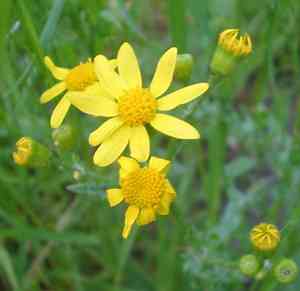
Mojave cottonthorn flourishes in dry environments and is generally multiplied via stem sections. Confirm that the cuttings originate from robust, established specimens and are sufficiently air-dried prior to inserting them into porous soil. To achieve effective root development, employ a sandy or coarse substrate to replicate its native habitat. Irrigate infrequently to avert decay, and contemplate applying a rooting stimulant to improve integration.
Optimal Period for Mojave Cottonthorn Propagation
Propagation Method
Cuttings
Propagation Season
Spring,Summer
Equipment for Mojave Cottonthorn Propagation
Sharp Pruners
Utilized for obtaining clean and precise cuttings from mojave cottonthorn. Crucial for creating neat wounds that heal quickly and boost rooting success.
Rooting Hormone
Promotes root development by stimulating growth in mojave cottonthorn cuttings. Powder or gel forms are recommended for easy application.
Propagation Trays
Perfect for holding cuttings in a regulated setting, ensuring adequate space for rooting without overcrowding.
Sterile Growing Medium
Offers a disease-free environment for rooting mojave cottonthorn's cuttings. A blend of perlite and peat moss is typically effective.
Heating Mat
Maintains a consistent and ideal soil temperature, vital for the rooting of mojave cottonthorn's cuttings, especially in cooler climates.
Transparent Plastic Domes
Helps maintain humidity around mojave cottonthorn cuttings, preventing dehydration and creating a greenhouse effect.
Misting Bottle
Essential for keeping mojave cottonthorn cuttings moist without overwatering, ensuring hydration during the rooting process.
Labeling Stakes
Assists in tracking different cuttings and their planting dates, ensuring proper monitoring and minimizing mix-ups.
Mojave Cottonthorn Propagation Difficulty
Propagation Type
Moderately Difficult
Post-Propagation Care for Mojave Cottonthorn
How to Care for Your Newly Propagated Mojave Cottonthorn?
Once established, mojave cottonthorn thrives in well-drained soil and full sun. Water sparingly, allowing the soil to dry out between watering sessions to mimic its natural arid habitat. Regularly inspect for pests and ensure good air circulation to prevent fungal issues. As mojave cottonthorn matures, it will require minimal maintenance beyond occasional pruning to maintain its shape and remove any dead or diseased branches.
Common Errors to Avoid When Propagating Mojave Cottonthorn
Overwatering
Excessive watering can lead to root rot, as mojave cottonthorn is adapted to the arid conditions of the Mojave Desert and prefers well-draining soil.
Inadequate Light
Providing insufficient light can hinder growth since mojave cottonthorn requires full sun to thrive and develop properly.
Incorrect Soil Type
Using heavy, clay-based soil impedes drainage and can suffocate roots, leading to poor plant health.
Not Allowing Cuttings to Callus
Planting cuttings directly into soil without allowing them to callus increases the risk of fungal infections.
Improper Pruning
Pruning incorrect parts or excessively can damage the growth points and overall structure of mojave cottonthorn.
Neglecting Air Circulation
Poor air circulation promotes fungal diseases, which can destroy young and adult plants.
Advice for Propagating Mojave Cottonthorn
Use Well-Draining Soil
Opt for a sandy or loamy soil mix to ensure proper drainage, mimicking mojave cottonthorn's natural habitat.
Provide Full Sun
Mojave cottonthorn thrives in full sun, so ensure the plant gets at least 6-8 hours of sunlight daily.
Allow Cuttings to Callus
After taking cuttings, let them dry out and form a callus for a few days before planting to prevent fungal attack.
Water Sparingly
Water mojave cottonthorn only when the topsoil is dry to avoid root rot and mimic its natural drought conditions.
Prune Selectively
Prune with care to shape the plant and remove any dead or diseased parts, focusing on maintaining healthy growth points.
Ensure Good Air Circulation
Space plants adequately to promote air flow and reduce the risk of fungal diseases.



