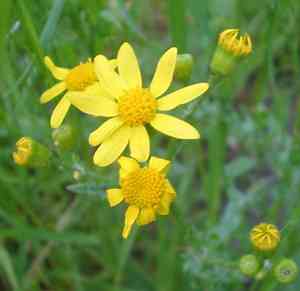
Mojave cottonthorn (Tetradymia stenolepis)
Also known as: Spinyleaf Horsebrush
The Mojave cottonthorn (Tetradymia stenolepis) is a perennial shrub characterized by its spiny structure and narrow, silver-grey foliage. Adapted to thrive in arid, rocky soils, this plant has several features that help it conserve water. Its leaves have a woolly texture, which reduces water loss. The plant displays yellow flower heads in late summer, demonstrating its ability to survive in harsh desert conditions.
In This Article
Attributes of Mojave cottonthorn
Lifespan
Perennial
Plant Type
Shrub
Plant Height
30-120 cm
Spread
50-100 cm
Leaf Color
Green with grayish hues
Flower Size
1-2 cm
Flower Color
Yellow
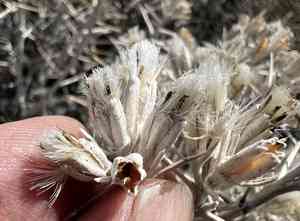
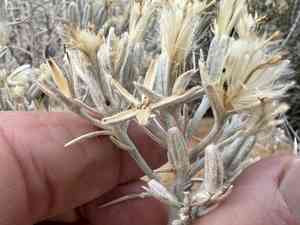
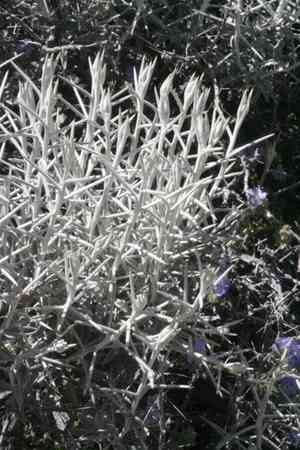
Images of Mojave cottonthorn
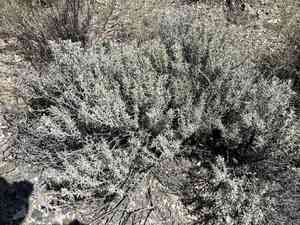
Quickly Identify Mojave cottonthorn
1
This plant can be identified by its spiny leaves, up to 2 inches long, and small, yellow flower heads that bloom in clusters. The plant typically has a shrubby appearance with many branches.
Scientific Classification of Mojave cottonthorn
Phylum
Vascular plants
Class
Dicotyledons
Order
Asterales
Family
Daisy
Genus
Horesbrush
Species
Mojave cottonthorn
Planting and Growing of Mojave cottonthorn
Care Difficulty
Moderate
Watering Schedule
Every 2 days
Sunlight Requirements
Full sun
Sunshine Duration
4-8 hours
Ideal Temperature
60-75℉
Soil Type
Potting Mix, Peat Mix
Soil pH
6.5-7.5
Fertilizer Type
Balanced
Pruning Season
Spring, Summer
Pruning Area
Branches, Leaves
Pruning Frequency
2 times a year
Repotting Season
Spring
Pot Type
Plastic, Ceramic
 How to Water Mojave cottonthorn?
Tetradymia stenolepis requires moderate watering. Ensure the soil is slightly moist but never waterlogged. Approximately 500 ml should be enough, allowing the water to penetrate to the root zone deeply without leaving standing water.
What are the symptoms of an underwatered Mojave cottonthorn?
›
What should I do if my Mojave cottonthorn is not getting enough water?
›
What are the symptoms of an overwatered Mojave cottonthorn?
›
How to save an overwatered Mojave cottonthorn?
›
 What Are the Sunlight Requirements for Mojave cottonthorn?
Tetradymia stenolepis favors full to partial sun environments. Adequate lighting ensures robust growth and prevents common light-related issues, promoting vibrant foliage and structural resilience.
Optimal Light Duration
›
Sunlight Variability Solutions
›
Effects of Adequate Sunlight
›
 What Is the Ideal Temperature Range for Mojave cottonthorn?
Tetradymia stenolepis thrives best in a temperature range of 60°F to 75°F. This range supports optimal photosynthesis and growth, replicating conditions similar to its native desert environment. Maintaining this range ensures the plant's metabolic processes function efficiently, promoting healthy, sustainable development.
 What Soil is Best for Mojave cottonthorn?
Tetradymia stenolepis thrives in well-drained soils, which help prevent root rot and other moisture-related diseases. Ensuring good drainage is vital for the plant's health and vigorous growth. This plant prefers soils with moderate fertility. Excessively rich soil can lead to leggy growth and might reduce the plant's natural resilience. Balanced nutrients support stable and robust plant development. Tetradymia stenolepis tends to prefer slightly alkaline soils. Such soils help maintain the optimal nutrient uptake conditions that the plant needs for optimal health and growth performance.
 How to Fertilize Mojave cottonthorn?
For Tetradymia stenolepis, the ideal fertilizer amount is crucial due to its specific nutritional needs. Apply 50 ml of diluted balanced liquid fertilizer every two weeks during the growing season. Ensure that the fertilizer is water-soluble and contains equal parts of nitrogen, phosphorus, and potassium. This balance will help the plant maintain healthy growth and prevent any nutrient deficiencies or toxicities.
 How to Prune Mojave cottonthorn?
When pruning Tetradymia stenolepis, begin by removing any dead or damaged branches. Use sharp, clean shears to make precise cuts just above a node, which encourages new growth. Aim to thin out crowded areas to ensure good air circulation. This will help to prevent diseases and allow sunlight to reach more parts of the plant.
More About Pruning Techniques→
 How to Propagate Mojave cottonthorn plant?
1
Prepare a seedbed with well-draining soil. Ensure the soil is free from weeds and debris, as these can compete with seedlings for nutrients and light. Moisten the soil before sowing.
2
Scatter the seeds evenly over the prepared seedbed. Cover them lightly with a thin layer of soil or sand. Gently water the area to ensure the seeds are not displaced, maintaining moisture for germination.
3
Select healthy, non-flowering shoots and cut below a node. Remove lower leaves and plant the cutting into a potting mix. Ensure good contact with the soil and water lightly to settle the soil.
 How to Repot Mojave cottonthorn plant?
1
Repotting Tetradymia stenolepis is necessary when its roots become too cramped within the current pot, visible through drainage holes, or when it noticeably stops growing despite ideal care. These indicate that the plant needs more room to expand and thrive.
2
Select a pot that is 1-2 inches larger in diameter than the current one to provide extra space for root development. Ensure it has ample drainage holes to prevent waterlogging, which can cause root rot—a common concern for desert-adapted plants like Tetradymia stenolepis.
3
Opt for a well-draining sandy mix that mimics its native desert environment. This type of soil prevents excess moisture retention, which can lead to root diseases. The sandy texture also allows for better aeration.
Toxicity
Ingestion, Contact
WARNING
The judgment on toxicity and danger is for reference only. We DO NOT GUARANTEE any accuracy of such judgment. Therefore, you SHALL NOT rely on such judgment. It is IMPORTANT TO SEEK PROFESSIONAL ADVICE in advance when necessary.
Learn More About Mojave cottonthorn Diseases
Anthracnose
Bacterial Leaf Spot
Bacterial Soft Rot
Bacterial Wilt
Black Spot
Chemical Injury
Crown Gall
Cyst Nematode
Damping-off
Downy Mildew
Drought Stress
Fusarium Wilt
Gray Mold
Leaf Curl
Leaf Spot
Mosaic
Nutrient Deficiency
Nutrient Toxicity
Powdery Mildew
Root Rot
Root-knot Nematode
Rusts
Sooty Mold
Spider Mites
Temperature Stress
Thrips Damage
White Mold



