How to Transplant Arjuna?
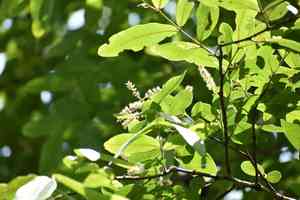
The optimal period for transplanting arjuna is from the mild warmth of late spring through mid-summer, which encourages robust development. Select a bright spot featuring soil that drains effectively. Careful management of the root structure is crucial for facilitating a seamless adjustment.
What Preparations are Needed Before Transplanting Arjuna?
What is the Ideal Time for Transplanting Arjuna?
The best period for relocating arjuna extends from the onset of spring's warmth through the peak of summer. This timeframe, characterized by vigorous growth, offers an excellent chance for arjuna's root system to settle and flourish, ensuring a smooth transition to its new spot. By moving it during this active season, you provide arjuna the optimal conditions for establishment, leveraging the season's mild soil temperatures and extended daylight, which together foster robust root development.
How Much Space Should You Leave Between Arjuna Plants?
Greetings! When preparing to rehome your arjuna, remember to allow ample room for its development. Aim to position each plant approximately 20-25 feet apart (6-7.6 meters). This spacing ensures their roots and branches have sufficient area to spread out and thrive.
What is the Best Soil Mix for Arjuna Transplanting?
For your arjuna, it's best to begin with soil that drains well and is rich in organic material. Consider enriching the soil with compost or aged manure to give your young plants a nourishing start. A balanced fertilizer can also help prepare the ground for strong growth.
Where Should You Relocate Your Arjuna?
Your arjuna will be most content in a location where it can receive full sunlight. Finding a spot that gets several hours of direct sun daily will keep your arjuna vibrant and healthy. An added benefit is a location that also offers some protection from strong winds.
What Equipments Should You Prepare Before Transplantation Arjuna?
Gardening Gloves
To safeguard your hands while handling soil and plants.
Shovel or Spade
For excavating the plant and preparing its new site.
Watering Can or Garden Hose
To hydrate the plant prior to removal and post-transplanting.
Wheelbarrow
To move the plant and soil if necessary.
Pruning Shears
To trim any damaged roots or branches before the move.
Staking Materials
For supporting the plant if needed after relocation.
Measuring Tape
To ensure the new hole has the correct depth and width.
How Do You Remove Arjuna from the Soil?
How Do You Remove Arjuna from the Soil?
From Ground: First, moisten the arjuna plant's soil. Then, dig a wide trench around the plant with a shovel or spade, making sure the plant's root ball stays intact. Carefully work the spade beneath the root ball to lift the plant from its original spot.From Pot: Water the arjuna to make the soil damp and easier to extract. Turn the pot on its side and gently tap the edges and bottom to loosen the plant. Gradually tilt and remove the plant, supporting the root ball with your hand.From Seedling Tray: Water the seedlings in the tray to keep their roots moist. Use a spoon or a small tool to loosen the soil around the seedling. Carefully lift the seedling by its leaves, not the stem, to prevent harm.
Step-by-Step Guide for Transplanting Arjuna
Prepare New Location
Excavate a hole at the new site that is twice as wide and the same depth as the arjuna's root ball.
Inspect Roots
Carefully check the root ball for any damaged or circling roots and trim them using pruning shears.
Place in Hole
Position the arjuna centrally in the new hole, ensuring it's at the same depth as it was in its previous location.
Fill with Soil
Backfill the hole with soil, gently pressing down the soil as you go to eliminate any air pockets.
Water Thoroughly
Water the transplanted arjuna generously to help settle the soil around the roots and hydrate the plant.
Support if Necessary
If the arjuna is tall or unstable, use staking materials to support the plant until it becomes established.
Mulch
Apply mulch around the base of the arjuna to help retain moisture and regulate soil temperature.
How Do You Care For Arjuna After Transplanting?
Monitoring
Regularly check the arjuna to ensure it is adjusting to its new environment. Look for signs of distress such as wilting or yellowing leaves and modify care as needed.
Pruning
Trim any dead or damaged branches to encourage fresh growth and maintain a healthy form for the arjuna.
Staking
Continue to observe support structures and adjust as necessary to prevent harm to the arjuna as it develops.
Adjustments
If you notice any issues with growth or health, consult local gardening resources or an expert for advice specific to caring for arjuna in your area.
Troubleshooting Common Issues with Arjuna Transplantation.
Whatâs the best time to transplant arjuna?
The optimal transplanting period is from late spring to mid-summer, allowing the plant to establish before colder months.
How far apart should arjuna be spaced when planting?
Ensure a distance of 20-25 feet (6-7.6 meters) between each arjuna to provide ample growth space.
How much should I water arjuna after transplanting?
Water generously immediately after transplanting, then regularly to keep the soil moist but not waterlogged.
What size hole is needed for transplanting arjuna?
Dig a hole that's twice the width of the root ball and equal in depth to encourage proper root expansion.
Why are the leaves of my transplanted arjuna wilting?
Wilting post-transplant can be due to root shock. Keep soil moist and protect from strong sun until recovery.
What soil type is ideal for arjuna?
Use well-drained fertile soil with a mix of organic matter to provide the best base for arjuna.
Should I use fertilizer when transplanting arjuna?
Wait a few months before fertilizing the newly transplanted arjuna to prevent burning the roots.
Can I prune arjuna during transplanting?
Light pruning can help reduce transplant shock. Remove only damaged or diseased branches to conserve energy.
How do I protect my newly transplanted arjuna from pests?
Monitor regularly for pests. Use natural repellents or mild pesticides if necessary, and keep the area weed-free.
Is mulching useful for arjuna after transplanting?
Mulch helps retain moisture, regulate soil temperature, and reduce weeds. Apply a 2-3 inch (5-7.6 cm) layer around arjuna.



