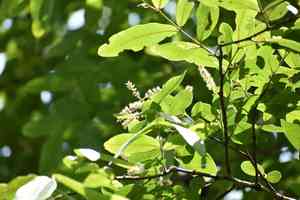
Arjuna (Terminalia arjuna)
Also known as: Guardian of the heart
Arjuna (Terminalia arjuna) is a large tree with striking buttress roots, giving it stability in poor soil conditions and along the riverbanks where it is often found. It plays an important role in silk production since a particular species of silk moth feeds on its leaves.
In This Article
Attributes of Arjuna
Lifespan
Perennial
Plant Type
Tree
Plant Height
20 m to 25 m
Spread
20 m
Leaf Color
Green Bronze
Flower Size
9 cm to 13 cm
Flower Color
Yellow
Images of Arjuna
Quickly Identify Arjuna
1
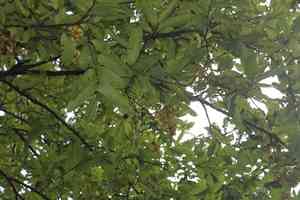
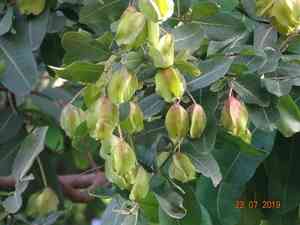
The Arjuna tree can be identified by its smooth, grey bark that peels off in thin, large scales, revealing a pinkish or red underbark. Its leaves are oblong and conical, and it produces small, pale yellow flowers. The fruit is a woody drupe, characterized by five hard wings.
Scientific Classification of Arjuna
Phylum
Vascular plants
Class
Dicotyledons
Order
Myrtales
Family
White mangrove
Genus
Terminalia
Species
Arjuna
Planting and Growing of Arjuna
Care Difficulty
Moderate
Watering Schedule
Every 3 days
Sunlight Requirements
Full sun
Sunshine Duration
6-10 hours
Ideal Temperature
68-86℉
Soil Type
Potting Mix, Peat Mix
Soil pH
6.5-7.5
Fertilizer Type
Balanced
Pruning Season
Spring, Summer
Pruning Area
Branches, Leaves
Pruning Frequency
2 times a year
Repotting Season
Spring
Pot Type
Plastic, Ceramic
 How to Water Arjuna?
The Arjuna tree requires about 500ml of water per session. Ensure the soil is moist but not waterlogged. It's essential to maintain consistency in moisture levels, letting the top inch of soil dry out slightly between waterings. Too much water can lead to root rot, while too little can cause the plant to wilt and weaken.
What are the symptoms of an underwatered Arjuna?
›
What should I do if my Arjuna is not getting enough water?
›
What are the symptoms of an overwatered Arjuna?
›
How to save an overwatered Arjuna?
›
 What Are the Sunlight Requirements for Arjuna?
Terminalia arjuna thrives in a range from full sun to partial sun, preferring consistent daily illumination to enhance its growth, flowering, and resilience.
More About Sunlight Requirements Techniques→
What is the ideal light condition for Terminalia arjuna?
›
How can you ensure Terminalia arjuna gets optimal light?
›
What are the benefits of Terminalia arjuna receiving ideal light?
›
 What Is the Ideal Temperature Range for Arjuna?
Terminalia arjuna thrives best in temperatures between 68°F and 86°F. Within this range, the metabolic processes of the plant are in full swing, ensuring healthy growth and development. It's critical to maintain this range to observe robust growth and high-quality foliage.
 What Soil is Best for Arjuna?
Terminalia arjuna thrives in soils that have good drainage. Adequate drainage ensures that the plant's roots do not become waterlogged, which can lead to root rot and other diseases. Well-drained soils help sustain root health and promote vigorous growth. This tree grows best in soils that are rich in essential nutrients. Fertile soil supplies the necessary macronutrients and micronutrients, supporting the plant’s overall health and boosting its resilience against environmental stresses. While Terminalia arjuna prefers moist soils, it is important to avoid overly wet conditions. Consistent moisture helps ensure that the tree remains hydrated, aiding in its growth and maintaining lush foliage.
 How to Fertilize Arjuna?
For Terminalia arjuna, apply liquid fertilizer at a diluted concentration, usually around half the recommended strength on the package. Solid fertilizers should be used sparingly. A dose of about 50 grams of slow-release fertilizer per application is adequate, ensuring the right nutrient balance without overwhelming the plant.
 How to Prune Arjuna?
Begin by identifying any branches that are dead, diseased, or crossing over each other. Cut these back to the main branch or the trunk. Maintain the tree’s natural shape by making cuts just outside the branch collar, allowing the tree to heal properly. Thinning the crown of the tree helps increase light and air penetration. Remove some of the smaller branches, focusing on those with weaker angles. This not only enhances the tree's aesthetic appeal but also reduces the risk of storm damage.
More About Pruning Techniques→
 How to Propagate Arjuna plant?
1
Choose high-quality seeds for propagation. Inspect the seeds for any signs of damage or disease. Soak the seeds in water for 24 hours to soften the seed coat, which facilitates better germination rates.
2
Place the prepared seeds in seedling trays filled with a well-draining potting mix. Sprinkle a thin layer of soil over the seeds and mist with water. Maintain consistent moisture and warm temperatures to encourage germination.
3
Identify a healthy growth shoot on the plant. Use sharp pruning shears to cut a 4-6 inch section just below a node. Remove any leaves that may contact the soil when planted. Prepare the cutting for rooting by dipping the end in rooting hormone powder.
 How to Repot Arjuna plant?
1
Repot your Terminalia arjuna when you notice roots circling the bottom of the pot, the plant becomes root-bound, growth slows down, or water sits on the surface after watering. These are clear signals it’s time for a new home.
2
Select a pot that is slightly larger than the current one, ensuring it has drainage holes to prevent waterlogging. The right pot size allows roots to expand moderately and offers better air circulation, promoting healthier plant growth.
3
Opt for well-draining, sandy loam soil rich in organic matter. This soil type ensures proper aeration and drainage, preventing root rot and providing optimal conditions for Terminalia arjuna's growth and nutrient uptake.
Toxicity
Ingestion of parts of the plant
WARNING
The judgment on toxicity and danger is for reference only. We DO NOT GUARANTEE any accuracy of such judgment. Therefore, you SHALL NOT rely on such judgment. It is IMPORTANT TO SEEK PROFESSIONAL ADVICE in advance when necessary.
Learn More About Arjuna Diseases
Anthracnose
Bacterial Leaf Spot
Bacterial Wilt
Black Spot
Chemical Injury
Crown Gall
Cyst Nematode
Damping-off
Drought Stress
Fusarium Wilt
Gray Mold
Leaf Curl
Leaf Spot
Mosaic
Nutrient Deficiency
Nutrient Toxicity
Powdery Mildew
Root Rot
Root-knot Nematode
Rusts
Sooty Mold
Spider Mites
Temperature Stress
Thrips Damage
White Mold



