How Much Sunlight Do Arjuna Need?
1
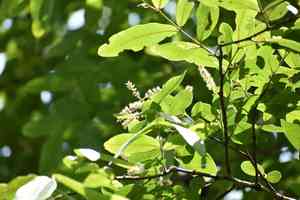
The Arjuna tree flourishes optimally with a minimum of 6 hours of direct sunlight each day.
2
Observing Arjuna's light intake is vital, particularly as seasons shift.
3
Observing Arjuna's light intake is vital, particularly as seasons shift.
Ideal Light Requirements for Arjuna
Abundant Sun Exposure
The Arjuna tree flourishes in settings where it receives ample sun. It needs a minimum of 6 hours of direct sunlight daily to maintain its vibrant health and optimal development. Full sun not only encourages vigorous growth but also ensures the tree's structural integrity, aiding in the development of a strong root system and a sturdy trunk.
Partial Shade Acceptance
While the Arjuna tree prefers full sunlight, it can endure partial shade. In areas where consistent full sunlight isn't always available, such as during shorter days or in regions with less intense sun, Arjuna can still survive. However, extended periods in partial shade might hinder its growth and lead to less dense foliage.
Influence on Development and Vitality
Sunlight significantly affects the growth rate and overall vitality of the Arjuna tree. Insufficient light can result in stunted development and weakened branches, making the tree more vulnerable to diseases. Conversely, adequate sunlight ensures lush, green leaves and a well-established structure. Thus, consistent, direct sunlight is vital for the Arjuna's well-being.
Can Arjuna Thrive in Dimly Lit Conditions?
Indicators of Insufficient Light
When Arjuna isn't receiving enough sunlight, it will display several signs of distress. These include sparse and yellowing leaves, elongated and weak branches, and slower growth. Another sign is a thinning canopy, which can make the tree appear unhealthy and less vibrant.
Adjusting to Low Light
While Arjuna favors abundant sunlight, it can adapt to lower light conditions to some extent. To help Arjuna acclimate, consider occasional pruning to remove weaker branches, allowing more light to reach the tree's inner parts. Additionally, positioning the tree where it can receive at least some indirect sunlight can support its adaptation.
Seasonal Light Fluctuations for Arjuna
Spring and Summer
During spring and summer, Arjuna enjoys ample sunlight, typically boosting its growth activity. Ensure the tree gets unobstructed sunlight during these months to maximize its energy intake. Regular watering and occasional fertilization can further enhance its growth during this period.
Fall and Winter
In fall and winter, sunlight availability diminishes. Arjuna may enter a dormant phase, exhibiting reduced growth. To counteract the lower light conditions, ensure the tree is placed in the brightest available spot, removing any obstructions that might block sunlight. Using mulch can also help retain soil warmth and moisture.
Advice for Ensuring Proper Sunlight for Arjuna
Selecting the Right Spot
Choosing the correct location is crucial for the Arjuna tree's sunlight needs. Position the tree in an area that receives full sun exposure, ideally in the southern or western part of your yard where sunlight is most plentiful. Ensure no large structures or other trees cast prolonged shadows over the Arjuna tree.
Monitoring Light Exposure
Regularly monitoring the sunlight exposure is essential, especially as seasons change. Observing how the light shifts throughout the day and across different seasons will help you make necessary adjustments. Tools like sunlight meters or even smartphone applications can help measure the amount of light your Arjuna is receiving.
Utilizing Shade Cloth
In regions with extremely hot and intense sunlight, employing a shade cloth can safeguard the Arjuna tree from sunburn. Shade cloth can filter harsh sunlight while still providing the necessary light exposure. Position the shade cloth to allow air circulation and ensure it doesn't completely cover the tree, permitting some direct sunlight to reach the tree.



