How to Prune Arjuna?
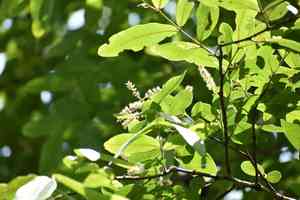
This riparian tree, which sheds its leaves annually and is recognized by its robust, buttressed trunk and elongated, tapered foliage, thrives with trimming during its dormant phase in winter. Trim arjuna to eliminate deceased or ailing limbs, reduce density in congested zones for improved air movement, and sculpt the crown for structural soundness. Strategic pruning boosts the plant's therapeutic bark output and fosters vigorous new development. Be cautious to prevent over-cutting to preserve its inherent shape.
Advantages of Trimming Arjuna
Advantages of Trimming Arjuna
Trimming arjuna encourages robust development and assists in preserving its desired form. This facilitates improved air circulation and sunlight penetration, which are vital for the tree's vigor and overall well-being.
Optimal Time for Trimming Arjuna
Optimal Time for Trimming Arjuna
Trimming in late winter to early spring benefits arjuna by allowing the removal of dead or damaged limbs while the tree is still dormant, minimizing stress and sap loss. This timing also aids in shaping the plant and stimulates vigorous growth in the spring. Pruning before new growth begins ensures quick healing of cuts, directing the tree's energy to new shoots and leaves. Additionally, arjuna's structure is more visible without leaves, enabling more precise cuts. Avoiding flowering and fruiting periods prevents hindrance to the plant's reproductive efforts.
Tools Required for Trimming Arjuna
Hand Pruners
Perfect for making precise cuts on arjuna's smaller branches. Suitable for routine upkeep and thinning out minor branches to enhance the tree's shape and health.
Loppers
Effective for cutting branches up to 1 1/2 inches thick, particularly useful for reaching higher or deeper within arjuna's canopy. This allows for selective pruning without harming surrounding branches.
Pruning Saw
Essential for larger branches exceeding 1 1/2 inches in thickness. A pruning saw ensures clean cuts without tearing arjuna's bark, preventing unnecessary damage and promoting quicker healing.
Pole Pruner
Useful for cutting elevated branches without needing a ladder. This tool helps maintain arjuna's shape and structural integrity safely.
How to Trim Arjuna
Identify
Thoroughly inspect arjuna to pinpoint all dead and diseased branches, which will be the primary focus of pruning. Look for branches with dry, brittle wood or signs of infection like discolored bark or fungal presence.
Sanitize
Before any cuts, sterilize all pruning tools to prevent disease spread. Use a 1:9 bleach-to-water solution or rubbing alcohol to clean blades between cuts, especially when moving from infected to healthy branches.
Cut dead branches
Trim dead branches on arjuna by making clean cuts with sharp, sanitized pruning shears or a saw. Cut just above the branch collar at the base of the dead branch, being careful not to damage the collar itself to ensure proper healing.
Cut diseased branches
Remove diseased branches from arjuna by cutting well into healthy wood, at least several inches below the infected sections. This ensures all infected material is removed and reduces the risk of disease spreading.
Dispose
Properly dispose of all removed dead and diseased branches. Do not compost them, as this can spread pathogens. Instead, burn them if possible, or bag and discard with household waste to prevent disease spread to other plants.
Common Trimming Errors with Arjuna
Excessive Trimming
Removing too much foliage from arjuna at once can stress the tree, hindering its growth or even causing death. It's crucial to remove only the necessary amount of growth.
Incorrect Tool Usage
Using dull or dirty cutting tools when trimming arjuna can create jagged cuts more susceptible to pests and diseases. Always use sharp, clean tools for precise cuts.
Bark Tearing
When cutting larger branches, there's a risk of tearing arjuna's bark. This can expose the tree to infections. Proper cutting techniques should prevent this issue.
Neglecting Disease Management
Failing to remove diseased or pest-infested branches from arjuna during pruning can spread the problem throughout the tree. It's important to identify and remove unhealthy limbs promptly.
Ignoring Tree Structure
Not considering arjuna's natural shape and structure when pruning can lead to an unbalanced and weakened tree. Pruning should maintain or improve the tree's structural integrity.
General Trimming Advice for Arjuna
Selective Thinning
Removing specific branches to allow light and air into arjuna's canopy helps reduce disease pressure and promotes a stronger, healthier tree structure.
Target Dead Wood
Regularly removing dead or dying branches helps maintain arjuna's health and appearance, preventing decay organisms from entering the tree.
Prune for Clearance
Keep arjuna's branches clear of structures or walkways to prevent damage and ensure safety for both the tree and its surroundings.
Healing Cuts
Make clean cuts close to a bud, branch, or arjuna's trunk when removing branches, ensuring no stubs are left as these can delay wound closure and lead to decay.
Use Proper Techniques
For larger branches, use the three-cut method on arjuna to prevent bark tearing: an undercut first, then a cut from the top slightly further out from the branch, and finally, a clean cut at the branch collar.



