How to Transplant Chestnutleaf trumpetbush?
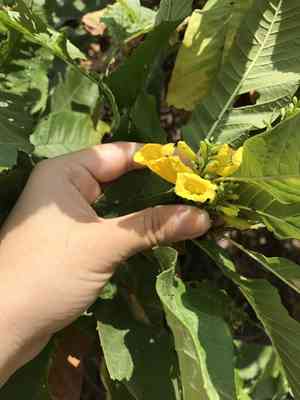
Chestnutleaf trumpetbush flourishes when relocated during the vibrant, emerging period of early to mid-spring, benefiting from ideal soil warmth and hydration. Confirm its placement in a bright or partially shaded spot with adequately draining soil for robust development.
What Preparations are Needed Before Transplanting Chestnutleaf Trumpetbush?
What is the Ideal Time for Transplanting Chestnutleaf Trumpetbush?
The best period for relocating chestnutleaf trumpetbush is from early to mid-spring. During this time, the ground is workable, and temperatures are mild, allowing the plant to develop its root system before the summer heat. Moving chestnutleaf trumpetbush during these months helps ensure robust growth and increases the likelihood of successful establishment.
How Much Space Should You Leave Between Chestnutleaf Trumpetbush Plants?
When relocating chestnutleaf trumpetbush, ensure a spacing of 6-8 feet (1.8-2.4 meters) between them. This will provide ample room for growth and flourishing without competing for resources. Plan your garden layout accordingly and mark the positions before you begin.
What is the Best Soil Mix for Chestnutleaf Trumpetbush Transplanting?
To prepare the soil for chestnutleaf trumpetbush, seek out well-drained soil with a blend of loam and sand. Incorporate a balanced, slow-release base fertilizer to encourage root development. Mixing in compost or organic material can also enhance soil quality and support healthy growth.
Where Should You Relocate Your Chestnutleaf Trumpetbush?
Select a sunny location for transplanting chestnutleaf trumpetbush, as they thrive best in full sunlight for at least 6-8 hours daily. Ensure the spot is not shaded by taller plants or structures so they receive adequate light throughout the day.
What Equipments Should You Prepare Before Transplantation Chestnutleaf Trumpetbush?
Gardening Gloves
To safeguard your hands while handling soil and the plant.
Shovel or Spade
For digging trenches and moving earth efficiently.
Trowel
For more precise excavation around the root system.
Pruners
To trim any damaged roots or branches.
Watering Can or Hose
For hydrating the plant before and after relocation.
Wheelbarrow
To transport the plant if necessary.
Mulch
To help maintain soil moisture after transplanting.
How Do You Remove Chestnutleaf Trumpetbush from the Soil?
How Do You Remove Chestnutleaf Trumpetbush from the Soil?
From Ground: First, water the chestnutleaf trumpetbush plant to moisten the soil. Then, dig a wide trench around the plant using a shovel or spade, ensuring the plant's root ball remains intact. Carefully work the spade under the root ball to lift the plant from its original spot.From Pot: Water the chestnutleaf trumpetbush plant thoroughly to facilitate removal. Gently tap the sides of the pot to loosen the soil. Carefully tip the pot and slide the plant out, supporting the root ball with your hand.From Seedling Tray: Water the seedlings to keep the soil damp. Use a trowel or your fingers to gently lift the seedlings from the tray, making sure to keep the root system intact.
Step-by-Step Guide for Transplanting Chestnutleaf Trumpetbush
Prepare the New Location
Excavate a hole in the new planting site that is twice as wide and equally as deep as the root ball of the chestnutleaf trumpetbush plant.
Add Soil Amendments
If needed, mix in organic compost or a balanced fertilizer to enrich the soil.
Transplant the Plant
Carefully place the chestnutleaf trumpetbush plant into the new hole, ensuring it is at the same depth as it was in its original location. Backfill the hole with soil, gently pressing it down to remove air pockets.
Water the Plant
Thoroughly water the relocated chestnutleaf trumpetbush plant to help settle the soil and begin the acclimation process.
Apply Mulch
Add a layer of mulch around the base of the chestnutleaf trumpetbush plant to help retain soil moisture and regulate soil temperature.
How Do You Care For Chestnutleaf Trumpetbush After Transplanting?
Watering
Keep the soil around the chestnutleaf trumpetbush consistently moist, but not waterlogged, for the initial few weeks after transplanting to aid in establishing strong roots.
Monitoring
Check the chestnutleaf trumpetbush regularly for indications of stress, such as wilting or yellowing leaves, and adjust care practices as needed.
Weed Control
Keep the area around the chestnutleaf trumpetbush clear of weeds that can compete for nutrients and water.
Protection
Consider using a plant protectant or barrier if the chestnutleaf trumpetbush is susceptible to pests or extreme weather conditions.
Troubleshooting Common Issues with Chestnutleaf Trumpetbush Transplantation.
What is the best time to transplant chestnutleaf trumpetbush?
The optimal time to relocate chestnutleaf trumpetbush is early to mid-spring for best growth and establishment.
How should I prepare the soil for chestnutleaf trumpetbush?
Prepare well-draining soil, enriched with organic matter to supply essential nutrients for chestnutleaf trumpetbush.
What is the ideal spacing for transplanting chestnutleaf trumpetbush?
Space your chestnutleaf trumpetbush plants 6-8 feet (1.8-2.4 meters) apart for proper growth and air circulation.
How deep should the planting hole be?
Dig the hole twice as wide and as deep as the root ball of chestnutleaf trumpetbush.
How do I handle chestnutleaf trumpetbush roots during transplanting?
Gently loosen the roots if they are pot-bound and trim any that are damaged.
How much water does chestnutleaf trumpetbush need after transplanting?
Water chestnutleaf trumpetbush thoroughly after transplanting, ensuring consistent moisture levels without saturating the soil.
Should I mulch around chestnutleaf trumpetbush after transplanting?
Yes, apply mulch around the base of chestnutleaf trumpetbush to retain soil moisture and suppress weeds.
How can I protect chestnutleaf trumpetbush from transplant shock?
Minimize root disturbance, water consistently, and avoid transplanting during extreme temperatures to reduce shock.
What if chestnutleaf trumpetbush leaves turn yellow after transplanting?
Yellowing leaves may indicate overwatering or nutrient deficiency. Check soil moisture and consider fertilizing.
How long does chestnutleaf trumpetbush take to establish after transplanting?
Chestnutleaf trumpetbush typically takes a few weeks to a couple of months to fully establish after transplanting.



