How to Prune Chestnutleaf trumpetbush?
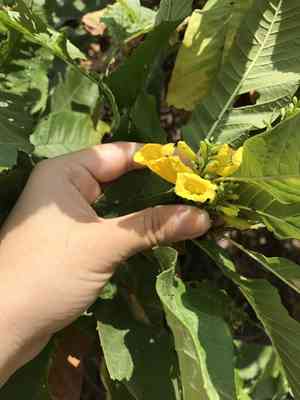
Recognized for its vibrant, bell-shaped blossoms and lustrous foliage, chestnutleaf trumpetbush thrives with early spring trimming. Remove any lifeless or impaired branches to improve air movement and sculpt the plant for visual attractiveness. Consistent trimming stimulates robust development and a greater profusion of flowers. Make certain all cuts are precise and positioned directly above a growth point to foster sound regeneration. Appropriate timing and method are crucial for preserving the plant's well-being and aesthetic charm, establishing a magnificent centerpiece in any landscape.
What Are the Benefits of Pruning Chestnutleaf Trumpetbush?
What Are the Benefits of Pruning Chestnutleaf Trumpetbush?
Pruning chestnutleaf trumpetbush encourages robust development and helps maintain its form. It also promotes healthier blooms and deters pest infestations, ensuring the plant stays attractive and strong.
What Is the Best Time for Pruning Chestnutleaf Trumpetbush?
What Is the Best Time for Pruning Chestnutleaf Trumpetbush?
Pruning chestnutleaf trumpetbush in early spring is optimal as it precedes its active growth phase. This timing minimizes disease and pest risk since the plant is still somewhat dormant. It also stimulates vigorous new growth and aids in shaping the plant before budding, leading to a healthier, more appealing flowering period. Furthermore, early spring pruning allows for the removal of winter-damaged branches, enhancing overall plant health.
What Tools Do I Need to Prune Chestnutleaf Trumpetbush?
Hand pruners (bypass pruners)
Perfect for clean cuts on smaller branches and stems up to ¾ inch wide. The bypass design minimizes plant tissue damage, encouraging healthy regrowth.
Loppers
Useful for cutting thicker branches, from ¾ inch to 1½ inches in diameter. Their long handles offer better leverage for larger stems.
Pruning saw
Essential for branches exceeding 1½ inches thick. Its design allows for precise cuts without harming the tree.
Pole pruner
Enables reaching higher branches without a ladder. Especially useful for managing the height and shape of chestnutleaf trumpetbush.
Hedge shears
Crucial for shaping and trimming the plant to maintain its desired look. These shears are ideal for cutting multiple small branches simultaneously.
How to Prune Chestnutleaf Trumpetbush
Assessment
Thoroughly inspect chestnutleaf trumpetbush to locate areas with diseased, withered, or dead leaves and branches.
Selective Removal
Using sterile, sharp pruning shears, carefully remove all diseased and withered leaves, cutting at the stem base to prevent disease spread.
Branch Removal
Cut off dead and diseased branches with a clean cut just above a healthy node or main stem to encourage proper growth and structure.
Clearance
Clear fallen leaves and plant debris around chestnutleaf trumpetbush to deter fungal growth and potential pest issues.
Disposal
Properly dispose of all pruned material, ideally by bagging and removing it from the garden to prevent disease and pest spread.
Common Pruning Mistakes with Chestnutleaf Trumpetbush
Over-pruning
Removing too much foliage can weaken chestnutleaf trumpetbush, making it more vulnerable to pests and diseases.
Incorrect Cutting Technique
Using dull or unsuitable tools can result in jagged cuts, leading to poor healing and increased disease susceptibility.
Pruning at Wrong Angles
Cutting branches at improper angles can hinder the plant's healing process and affect its natural growth pattern.
Ignoring Dead or Diseased Wood
Failure to remove dead, diseased, or damaged branches can allow infections to spread to healthy parts of chestnutleaf trumpetbush.
Pruning Too Frequently
Excessive pruning can stress the plant and disrupt its natural growth cycle, reducing flowering and overall vigor.
Common Pruning Tips for Chestnutleaf Trumpetbush
Use Sharp, Clean Tools
Always use clean, sharp pruning shears or loppers to make precise cuts and prevent disease transmission.
Target Diseased and Dead Wood First
Start by removing any dead, damaged, or diseased branches to improve air circulation and stop infection spread.
Cut at the Right Angle
Make cuts at a 45-degree angle, just above a healthy bud or lateral branch, for proper healing and optimal growth direction.
Thin Out Crowded Areas
Remove crossing or inward-growing branches to enhance light penetration and air circulation, promoting healthier growth and flowering.
Keep Cuts Small
Avoid large cuts by not removing more than a third of the plant's foliage at once. Smaller cuts heal faster and reduce plant stress.



