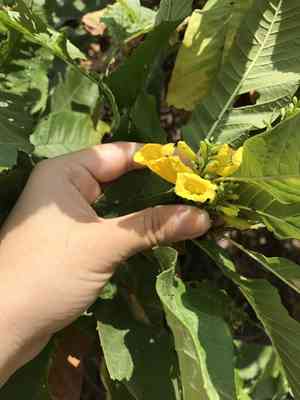
Chestnutleaf trumpetbush (Tecoma castanifolia)
Also known as: Chestnut-leaved Tecoma, Amarillo
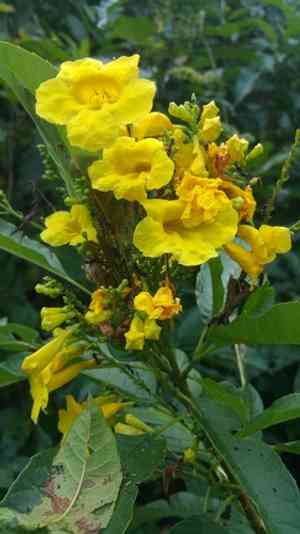
The chestnutleaf trumpetbush (Tecoma castanifolia) is notable for its pinnate foliage that resembles chestnut leaves. This deciduous shrub or small tree produces vibrant yellow, trumpet-like flowers in clusters. Native to Ecuador and Peru, it flourishes in warm, tropical, and subtropical environments. It typically grows 10-20 feet tall and prefers well-drained soil and full sunlight, although it can adapt to different light conditions. Often found along forest edges and slopes, it is valued both ornamentally and ecologically for its fast growth and minimal maintenance requirements.
In This Article
Attributes of Chestnutleaf trumpetbush
Lifespan
Perennial
Plant Type
Shrub
Plant Height
5 m
Spread
3 m
Leaf Color
Dark green
Flower Size
1-2 inches
Flower Color
Bright yellow
Images of Chestnutleaf trumpetbush
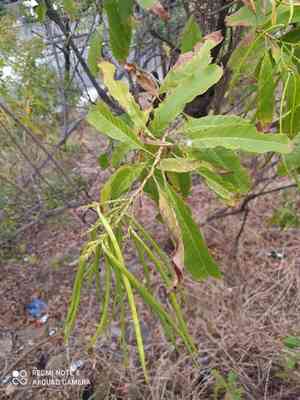
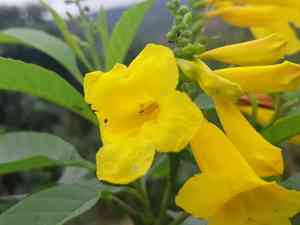
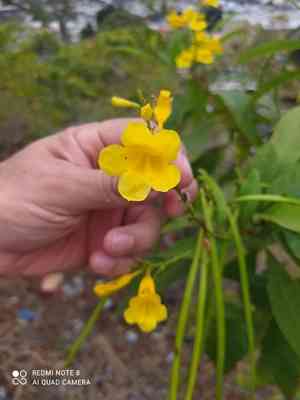
Quickly Identify Chestnutleaf trumpetbush
1
Look for bright yellow, trumpet-shaped flowers and compound leaves resembling those of chestnut trees. The leaflets are ovate with serrated margins.
Scientific Classification of Chestnutleaf trumpetbush
Phylum
Vascular plants
Class
Dicotyledons
Order
Lamiales
Family
Bignonia
Genus
Trumpetbushes
Species
Chestnutleaf trumpetbush
Planting and Growing of Chestnutleaf trumpetbush
Care Difficulty
Moderate
Watering Schedule
Every 4 days
Sunlight Requirements
Full sun
Sunshine Duration
4-8 hours
Ideal Temperature
65-85℉
Soil Type
Potting Mix, Peat Mix
Soil pH
6.5-7.5
Fertilizer Type
Balanced
Pruning Season
Spring, Summer
Pruning Area
Branches, Leaves
Pruning Frequency
Once a year
Repotting Season
Spring
Pot Type
Plastic, Ceramic
 How to Water Chestnutleaf trumpetbush?
Tecoma castanifolia requires a moderate watering amount, ideally around 500 milliliters per session. The principle here is to ensure the soil is evenly moist but never waterlogged. Proper balance is key, avoiding dryness while not creating puddles.
What are the symptoms of an underwatered Chestnutleaf trumpetbush?
›
What should I do if my Chestnutleaf trumpetbush is not getting enough water?
›
What are the symptoms of an overwatered Chestnutleaf trumpetbush?
›
How to save an overwatered Chestnutleaf trumpetbush?
›
 What Are the Sunlight Requirements for Chestnutleaf trumpetbush?
Tecoma castanifolia thrives best in full sun, needing 8 to 12 hours daily. Adequate sunlight ensures lush foliage and prolific flowering, vital for ornamental styling and ecological benefits.
Optimal Light Intensity
›
Balancing Sun Exposure
›
Indoor Light Adjustments
›
 What Is the Ideal Temperature Range for Chestnutleaf trumpetbush?
The ideal temperature range for Tecoma castanifolia is between 65°F and 85°F. This range provides optimal conditions for growth, as it allows for sufficient photosynthesis while preventing heat stress. Within this temperature interval, the plant can maximize its growth potential and produce healthy foliage.
 What Soil is Best for Chestnutleaf trumpetbush?
Tecoma castanifolia thrives in well-drained soil. Proper drainage ensures that the roots do not remain waterlogged, reducing the risk of root rot and promoting healthy growth. This plant benefits from soil that is rich in organic matter and nutrients, which supports vigorous flowering and foliage development. Adding compost or natural fertilizers can enhance soil fertility. While drainage is crucial, some moisture retention helps in sustaining the plant during dry periods. A balance of sand and loam helps maintain this equilibrium.
 How to Fertilize Chestnutleaf trumpetbush?
For Tecoma castanifolia, it's crucial to not over-fertilize. Use a balanced 10-10-10 liquid fertilizer monthly during the growing season. Apply at a rate of 1 tablespoon per gallon of water, ensuring it is diluted appropriately to avoid root burn.
 How to Prune Chestnutleaf trumpetbush?
Begin pruning your Tecoma castanifolia by inspecting the plant for dead or damaged branches. Use sharp pruning shears to make clean cuts, which will heal more efficiently. Aim to remove about one-third of the plant's volume. Trim back to live wood, cutting just above a node or bud to stimulate new growth. Focus on clearing the center of the plant to improve air circulation, which will help prevent disease. Finally, step back periodically to observe the shape and balance of the plant as you prune.
More About Pruning Techniques→
 How to Propagate Chestnutleaf trumpetbush plant?
1
Choose healthy, semi-hardwood cuttings from the Tecoma castanifolia plant. Each cutting should be about 4-6 inches long, with several nodes and leaf buds.
2
Remove any leaves from the lower half of the cuttings. Dip the cut end of each cutting into rooting hormone powder to facilitate root growth.
3
Insert the treated cuttings into a well-draining potting mix. Ensure the medium is moist but not waterlogged. Cover with a plastic dome to maintain humidity.
 How to Repot Chestnutleaf trumpetbush plant?
1
Tecoma castanifolia needs repotting when its roots start circling inside the current pot or growing out of the drainage holes. Spring or early summer is ideal, as the plant is in its active growth period and can recover more quickly.
2
Select a pot that is 1-2 inches larger in diameter than the current one, with good drainage holes. A slightly larger pot encourages healthy growth without excessive water retention, which can lead to root rot.
3
Opt for a well-draining potting mix enriched with organic matter. This ensures proper aeration and drainage while providing essential nutrients, helping Tecoma castanifolia to establish well after repotting.
Learn More About Chestnutleaf trumpetbush Diseases
Anthracnose
Bacterial Leaf Spot
Bacterial Wilt
Chemical Injury
Crown Gall
Damping-off
Downy Mildew
Drought Stress
Fusarium Wilt
Gray Mold
Leaf Spot
Mosaic
Nutrient Deficiency
Nutrient Toxicity
Powdery Mildew
Root Rot
Root-knot Nematode
Rusts
Sooty Mold
Spider Mites
Temperature Stress
Thrips Damage
White Mold



