How to Transplant Blue boneset?
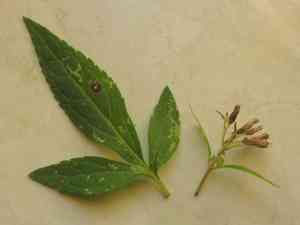
The most suitable period for relocating blue boneset is from the middle to the end of spring, once the ground has become warmer and development is robust. Select a bright spot with soil that drains effectively to guarantee successful rooting and prevent undue strain on the specimen.
What Preparations are Needed Before Transplanting Blue Boneset?
What is the Ideal Time for Transplanting Blue Boneset?
The best time to move blue boneset is from the middle to the end of spring. This period offers the most favorable temperatures and ground conditions, encouraging strong root development. Moving it then guarantees vigorous growth as the plant benefits from the mild weather, leading to better adaptation and thriving throughout the year.
How Much Space Should You Leave Between Blue Boneset Plants?
When relocating blue boneset, ensure a separation of approximately 24-36 inches (60-90 cm) between them. This spacing allows for adequate growth and air circulation, minimizing disease risk and ensuring each plant can flourish.
What is the Best Soil Mix for Blue Boneset Transplanting?
For blue boneset, prepare a soil mixture that drains well and is rich in organic material. A blend of garden soil and compost works excellently. A foundational fertilizer, such as a slow-release granular type suitable for perennials, can provide a strong start.
Where Should You Relocate Your Blue Boneset?
Blue boneset thrives in sunlight! Select a spot that gets full sun, ideally around 6-8 hours daily. This sun exposure promotes vigorous growth and vibrant blooms.
What Equipments Should You Prepare Before Transplantation Blue Boneset?
Gardening Gloves
To safeguard your hands while handling soil and plants.
Shovel or Spade
For excavating the plant and creating a new hole at its destination.
Hand Trowel
Useful for more careful lifting and loosening of soil around the root system.
Watering Can or Hose
To hydrate the plant both before and after its relocation.
Compost or Organic Matter
To enrich the soil in the new spot and supply nutrients for the plant.
How Do You Remove Blue Boneset from the Soil?
How Do You Remove Blue Boneset from the Soil?
From Ground: First, moisten the blue boneset plant to soften the soil. Next, dig a wide trench around the plant using a shovel or spade, making sure the plant's root ball stays intact. Carefully work the spade beneath the root ball to lift the plant from its original spot.From Pot: Lightly water the blue boneset plant to make the soil easier to manage. Gently tap the pot's sides to loosen the soil. Invert the pot, supporting the plant with one hand, and carefully slide the plant out, keeping the root ball whole.From Seedling Tray: Water the seedlings prior to removal. Use a hand trowel or your fingers to gently lift each blue boneset seedling from the tray, taking care to preserve as much of the root system as possible without causing damage.
Step-by-Step Guide for Transplanting Blue Boneset
Site Preparation
Clear any weeds and debris from the new planting area. Amend the soil with compost or organic matter if needed to ensure it is nutrient-rich.
Digging the Hole
Excavate a hole twice as wide and as deep as the blue boneset plant's root ball. This provides ample space for roots to spread and establish.
Placing the Plant
Carefully position the blue boneset plant into the hole, ensuring the top of the root ball is level with the surrounding ground. Backfill around the root ball with soil, pressing gently to remove air pockets.
Watering
Thoroughly water the newly transplanted blue boneset plant to help settle the soil around its roots. Ensure the water reaches the root zone.
How Do You Care For Blue Boneset After Transplanting?
Watering
Keep the soil around the blue boneset consistently damp, but not waterlogged, for the initial weeks post-transplant to aid in developing strong roots.
Mulching
Apply a layer of mulch around the base of the blue boneset plant to help retain moisture and inhibit weed growth.
Monitoring
Observe the plant for signs of distress such as wilting or yellowing leaves, and adjust care as necessary. Ensure the plant is not exposed to harsh conditions like strong winds or heavy rain during its initial establishment phase.
Troubleshooting Common Issues with Blue Boneset Transplantation.
When is the best time to transplant blue boneset?
The optimal period to transplant blue boneset is from mid-spring to late spring.
How much space should I leave between blue boneset plants?
Space blue boneset plants 24-36 inches (61-91 cm) apart for ideal growth.
What type of soil is best for transplanting blue boneset?
Blue boneset thrives in well-drained, loamy soil with abundant organic matter.
Should I water blue boneset immediately after transplanting?
Yes, provide blue boneset with a thorough watering right after transplanting to help establish roots.
How deep should I plant blue boneset seedlings?
Plant blue boneset seedlings at the same depth they were growing in their original containers.
Do I need to shade blue boneset after transplanting?
Providing light shade for the first week can help blue boneset adapt to its new location.
What if blue boneset shows signs of stress after transplanting?
Ensure proper watering and check for pests. Allow a week; blue boneset typically recovers on its own.
Is fertilization necessary when transplanting blue boneset?
Mix in some balanced, slow-release fertilizer into the soil during transplanting for optimal results.
How do I handle root-bound blue boneset plants?
Gently separate the roots before transplanting to encourage better growth.
Can I mulch around blue boneset after transplanting?
Yes, adding mulch helps retain moisture and suppress weeds but keep it away from the stem.



