How to Prune Blue boneset?
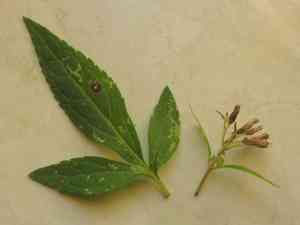
This vivid perennial, recognized for its impressive blue blossoms, flourishes with consistent cutting back to encourage thicker foliage and a greater profusion of flowers. For blue boneset, the best time for pruning is typically in late winter or early spring, prior to the emergence of new shoots. Meticulous elimination of aged or lifeless stems boosts the plant's vitality and aesthetic appeal. Trimming not only sculpts the plant but also averts excessive density and enhances air movement, which is vital for minimizing the likelihood of illness and fostering robust development.
What Are the Benefits of Pruning Blue Boneset?
What Are the Benefits of Pruning Blue Boneset?
Trimming blue boneset encourages robust development and helps keep its desired form. Consistent cutting promotes denser foliage, improves the plant's general well-being, and maintains its compact size, benefiting both appearance and plant vitality.
What Is the Best Time for Pruning Blue Boneset?
What Is the Best Time for Pruning Blue Boneset?
Pruning blue boneset in late winter and early spring is optimal as it occurs before the growth cycle begins, allowing the plant to recover and produce new growth efficiently. This timing ensures that blue boneset retains vital energy stored in its leaves and stems, which it needs for vigorous spring growth. Additionally, removing dead or excess branches before new leaves and flowers emerge helps improve the plant's overall health and aesthetic shape, while also boosting its flowering potential in the coming season. This period limits exposure to pests and diseases at fresh cut sites since many pathogens are less active in cooler weather.
What Tools Do I Need to Prune Blue Boneset?
Hand pruners
Perfect for making precise cuts on blue boneset's thinner stems and smaller branches. Opt for bypass pruners for cleaner, healthier cuts, especially beneficial for the delicate stems of blue boneset.
Pruning saw
Useful for cutting through thicker branches of blue boneset that hand pruners cannot manage. It ensures clean cuts on branches exceeding half an inch, promoting better health and growth patterns.
Lopping shears
Effective for reaching deeper or higher branches without harming the main plant. Useful for managing the denser parts of blue boneset's growth, allowing for improved light and air circulation throughout the plant.
How to Prune Blue Boneset
Identify
Locate diseased and withered leaves on blue boneset. Look closely for signs of discoloration, spots, or any indications of illness and damage that impact the plant's health.
Prepare tools
Sanitize your pruning tools before starting. Use alcohol or a bleach solution to clean your pruning shears or scissors. This step prevents the spread of disease between plants during the pruning process.
Remove diseased leaves
Carefully remove the identified diseased leaves from blue boneset. Make clean cuts at the base of the leaf stems, ensuring not to tear or damage the neighboring healthy leaves and stems.
Remove withered leaves
After removing diseased leaves, proceed to prune the withered or dead leaves. These are typically easier to spot and require the same careful removal method.
Cleanup
Properly dispose of all removed leaves. Do not compost diseased or dead material as it can harbor pathogens or pests. Clean the area around blue boneset to maintain a healthy growing environment.
Common Pruning Mistakes with Blue Boneset
Overpruning
Removing too much foliage from blue boneset at once can shock the plant, hindering its growth and reducing its overall vitality.
Improper cutting technique
Cutting blue boneset either too close to the main stem or leaving too large a stub can lead to disease entry and poor regrowth.
Pruning at the wrong angle
Cuts made on blue boneset should ideally be at a 45-degree angle to prevent water accumulation, which can lead to decay and disease.
Ignoring diseased or damaged parts
Failing to remove diseased, damaged, or dead matter promptly can hinder blue boneset's overall health and aesthetic appeal.
Common Pruning Tips for Blue Boneset
Clean and sharp tools
Always use sterilized, sharp pruning shears to make clean cuts, which help promote quick healing in blue boneset.
Selective thinning
Focus on thinning out dense areas to improve air circulation and light penetration, which are crucial for blue boneset's health and blooming.
Maintaining shape
Prune blue boneset gradually to maintain its natural shape, enhancing both plant health and garden aesthetics.
Prioritize unhealthy branches
Regularly remove or cut back any dead, dying, or diseased branches to redirect blue boneset's energy towards healthier growth.



