How to Propagate Blue boneset?
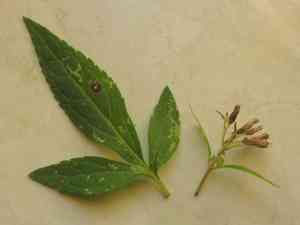
Eupatorium coelestinum, a species within the Asteraceae lineage, flourishes when reproduced via stem sections. To achieve successful propagation, choose robust, non-blooming stalks and employ a keen, sterilized blade for severing. Position the segments in a substrate that drains efficiently, making certain they obtain diffused illumination and steady hydration. A rooting stimulant can elevate the chances of success, fostering vigorous root formation.
Optimal Period for Blue Boneset Propagation
Propagation Method
Cutting
Propagation Period
Spring,Summer
Tools Required for Blue Boneset Propagation
Sharp pruning shears
These are vital for making clean, precise cuts when taking blue boneset cuttings. Sharp blades ensure smooth cuts, preventing tissue damage, which is key for successful healing and rooting.
Rooting hormone
This chemical compound encourages root development from blue boneset cuttings. Applying it to the cut end boosts the likelihood of successful rooting by accelerating the growth of healthy roots, essential for new plant establishment.
Sterile potting mix
A sterile, well-draining potting medium offers the perfect environment for rooting blue boneset cuttings. Sterility prevents disease, and good drainage helps maintain proper moisture levels around new roots, supporting overall health.
Propagation tray
Used to hold cuttings and potting mix, this tray organizes multiple cuttings compactly. It should have adequate drainage to prevent waterlogging and foster suitable humidity for root development.
Plastic dome or cover
Placing a clear plastic cover over the propagation tray creates a humid microclimate for blue boneset cuttings, helping maintain moisture and improving rooting success. This is especially useful for preventing cuttings from drying out before rooting.
How to Propagate Blue Boneset?
Propagation Type
Moderately Difficult
Post-Propagation Care for Blue Boneset
How to Care for Your Newly Propagated Blue Boneset?
Once roots are established, slowly introduce blue boneset to less humid conditions before moving it to a permanent spot. Blue boneset thrives in partial to full sun and well-draining soil. Consistent watering to keep the soil moist and occasional feeding will encourage robust growth. Protect blue boneset from extreme temperatures and pests. Regular trimming helps maintain its form and promotes denser foliage.
Common Errors to Avoid During Blue Boneset Propagation
Over-watering
Excessive watering during blue boneset propagation can lead to root rot or fungal issues. This hinders proper root development, reducing the plant's overall health and survival rate.
Using inappropriate soil mix
Employing a soil mix that lacks proper drainage or essential nutrients can result in poor root health and stunted blue boneset growth. The correct soil composition is crucial for adequate root aeration and nutrient uptake.
Excessive handling or disturbance
Frequent movement or touching of blue boneset during propagation can harm delicate roots or shoots. This can unnecessarily stress the plant, leading to poor growth or reduced survival chances.
Advice for Propagating Blue Boneset
Use of clean cuttings
Ensuring blue boneset cuttings or seeds are free from pests and diseases before planting helps prevent infection spread, providing a healthy start for propagation.
Appropriate humidity levels
Maintaining moderate humidity around blue boneset during propagation supports the rooting process. A stable environment promotes healthier, quicker root development without the risks of water loss or dehydration.
Gradual acclimatization
Slowly acclimating blue boneset to outdoor conditions after propagation prevents shock. Adjusting to different temperatures and light conditions gradually helps build resilience and promotes better growth.



