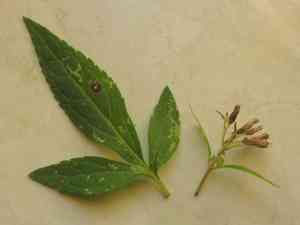
Blue boneset (Tamaulipa azurea)
Also known as: N/A
This species is also present in the far southern regions of Texas, specifically in Hidalgo, Cameron, and Willacy counties. It is characterized as a climbing shrub or a non-twining vine, typically reaching heights of 2 to 3 meters, and features bluish or blue lavender blossoms.
In This Article
Attributes of Blue boneset
Lifespan
Perennial
Plant Type
Vine, Shrub
Plant Height
Approximately 1-2 meters
Spread
0.5-1 meter
Leaf Color
Green
Flower Size
1-2 centimeters
Flower Color
Blue to Azure
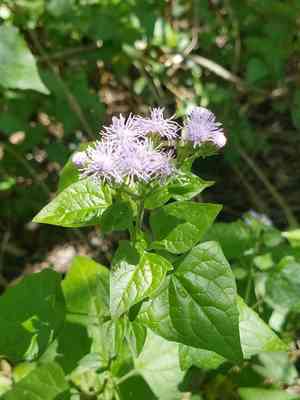
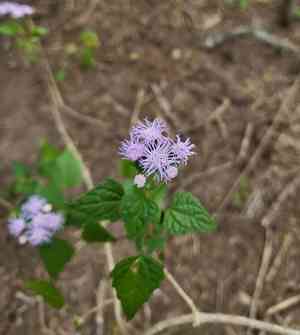
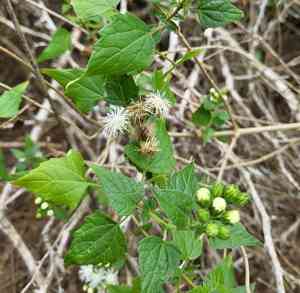
Images of Blue boneset
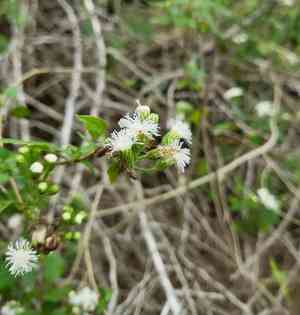
Quickly Identify Blue boneset
1
Identify Tamaulipa azurea by its blue to azure-colored flowers and the specific leaf structure which tends to be oblong with a slight serrated edge.
Scientific Classification of Blue boneset
Phylum
Vascular plants
Class
Dicotyledons
Order
Malpighiales
Family
Daisy
Genus
Boneset
Species
Blue boneset
Planting and Growing of Blue boneset
Care Difficulty
Easy
Watering Schedule
Every 2 days
Sunlight Requirements
Partial sun
Sunshine Duration
4-8 hours
Ideal Temperature
65-77℉
Soil Type
Potting Mix, Peat Mix
Soil pH
6.5-7.5
Fertilizer Type
Balanced
Pruning Season
Spring, Summer
Pruning Area
Branches, Leaves
Pruning Frequency
2 times a year
Repotting Season
Spring
Pot Type
Plastic, Ceramic
 How to Water Blue boneset?
For Tamaulipa azurea, you should water until the soil feels evenly moist but not waterlogged. Imagine a wrung-out sponge – that's the kind of moisture you're aiming for. If the water starts to pool at the bottom of the pot, you've probably added too much.
What are the symptoms of an underwatered Blue boneset?
›
What should I do if my Blue boneset is not getting enough water?
›
What are the symptoms of an overwatered Blue boneset?
›
How to save an overwatered Blue boneset?
›
 What Are the Sunlight Requirements for Blue boneset?
Tamaulipa azurea prefers partial to full sun exposure. Ideal light exposure promotes healthy, strong growth and prevents the plant from becoming leggy or weak.
What are the best lighting conditions for Tamaulipa azurea?
›
How can you achieve ideal lighting for this plant?
›
What are the benefits of providing ideal light conditions?
›
 What Is the Ideal Temperature Range for Blue boneset?
To ensure optimal growth, Tamaulipa azurea thrives best within a temperature range of 65 to 77°F. This range allows the plant to photosynthesize efficiently and maintain its cellular processes at an optimal rate. Temperatures within this range also help prevent stress, promoting healthy foliage and flower development.
 What Soil is Best for Blue boneset?
Tamaulipa azurea thrives in nutrient-rich soil that provides a balanced array of minerals and nutrients. Rich soil ensures robust growth and vibrancy in plant color, promoting overall health and resilience to environmental stressors. Well-draining soil is essential for Tamaulipa azurea to prevent root rot and other water-related issues. It allows excess water to escape easily, thus maintaining the right moisture level needed for the plant’s healthy development. A soil with moisture-retentive quality benefits Tamaulipa azurea by keeping enough water to sustain the plant without drowning it. It ensures the availability of moisture to the roots during dry spells, reducing the need for frequent watering.
 How to Fertilize Blue boneset?
For Tamaulipa azurea, apply liquid fertilizer at a concentration of 1 teaspoon per gallon of water. Ensure the mixture is evenly spread, providing adequate nutrients without overwhelming the plant. For slow-release granules, a handful per square foot should suffice, providing nutrition steadily over time.
 How to Prune Blue boneset?
Start by selectively removing any dead, damaged, or diseased branches. This helps improve air circulation and encourages new, healthy growth. Trim for shape by cutting back long stems to desired lengths. Be mindful to maintain the plant's natural shape, encouraging an even and balanced structure. To promote a denser plant form, prune the stem tips. This will stimulate the growth of side shoots, enhancing the plant's fullness and aesthetic appeal.
More About Pruning Techniques→
 How to Propagate Blue boneset plant?
1
Begin by sowing seeds in moist, well-draining soil in a seed starting tray. Cover the seeds lightly with soil and maintain consistent moisture until germination occurs. It’s important to provide a warm environment to encourage growth, ideally around 20-25 degrees Celsius.
2
Select healthy, non-flowering stems about 10-15cm long for cuttings. Remove the lower leaves to expose the stem and facilitate root development. Dip the cut end in rooting hormone to encourage faster root growth and increase success rates.
3
Bend a low-growing stem to the ground and cover a part of it with soil, leaving the tip exposed. Over time, roots will develop at the buried section, converting it into an independent plant. This method reduces stress and increases propagation success.
 How to Repot Blue boneset plant?
1
Tamaulipa azurea manifests signs of needing a repot when its roots begin to circle inside the pot or emerge through the drainage holes. Another good indication is when its growth seems stunted despite optimal light and water conditions. Repotting should ideally be done in early spring or summer when the plant's growth phase kicks in.
2
Opt for a pot that is only one size bigger, ensuring the drainage holes are ample to prevent root rot. Terracotta pots work well as they allow for better air exchange. Selecting the right pot size ensures good air circulation, promoting root health while preventing the dampness that could lead to root diseases.
3
Use a well-draining cactus mix, possibly amended with some perlite or sand. This mixture prevents waterlogging while providing necessary aeration. Well-draining soil is crucial as it mimics Tamaulipa azurea's natural habitat, allowing for proper root development and preventing common issues like root rot.
Learn More About Blue boneset Diseases
Anthracnose
Bacterial Leaf Spot
Bacterial Soft Rot
Bacterial Wilt
Black Spot
Chemical Injury
Crown Gall
Damping-off
Downy Mildew
Drought Stress
Fusarium Wilt
Gray Mold
Leaf Curl
Leaf Spot
Mosaic
Nutrient Deficiency
Nutrient Toxicity
Powdery Mildew
Root Rot
Root-knot Nematode
Rusts
Sooty Mold
Spider Mites
Temperature Stress
Thrips Damage
White Mold



