How to Transplant Bottomland aster?
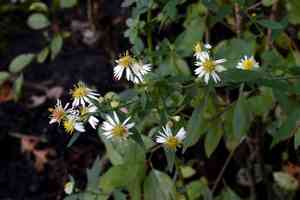
Symphyotrichum puniceum flourishes optimally when relocated during the pleasant interval spanning from the beginning to the end of spring. This timeframe enables its root system to become firmly rooted prior to the summer season. Select a location receiving full sun or partial shade, featuring soil that drains effectively, to guarantee successful growth.
What Preparations are Needed Before Transplanting Bottomland Aster?
What is the Ideal Time for Transplanting Bottomland Aster?
The best time to move bottomland aster is from early to late spring. This allows the plant to establish roots in moist, warm soil, boosting its chances of strong development. Transplanting then helps minimize shock and gives the plant enough time to adjust before summer's heat.
How Much Space Should You Leave Between Bottomland Aster Plants?
For bottomland aster, aim to position plants approximately 18-24 inches (45-60 cm) apart. This provides sufficient room for growth and ensures good air circulation, which promotes plant health and lowers disease risk.
What is the Best Soil Mix for Bottomland Aster Transplanting?
Before relocating bottomland aster, prepare a soil mix that drains well. Incorporate compost or a balanced, slow-release fertilizer to enrich the soil. Target a pH level that is slightly acidic to neutral, around 6.0-7.0.
Where Should You Relocate Your Bottomland Aster?
Bottomland aster flourishes in full sun to partial shade. Select a spot that receives at least 6 hours of direct sunlight daily. This aids the plant in developing robust stems and vibrant blooms, creating a beautiful garden display.
What Equipments Should You Prepare Before Transplantation Bottomland Aster?
Gardening Gloves
To safeguard your hands while handling soil and plants.
Hand Trowel
For excavating the new hole and loosening soil around the plant's root ball.
Spade or Shovel
To dig up the plant from its current spot or container.
Watering Can or Hose
To hydrate the plant before and after its relocation.
Pruning Shears
To trim any damaged roots or stems.
Compost or Organic Matter
To enrich the soil in the new planting area.
Mulch
To help retain soil moisture after transplanting.
How Do You Remove Bottomland Aster from the Soil?
How Do You Remove Bottomland Aster from the Soil?
From Ground: First, water the bottomland aster plant to moisten the soil. Next, dig a wide trench around the plant using a spade or shovel, ensuring the plant's root ball stays intact. Carefully work the spade beneath the root ball to lift the plant from its original spot.From Pot: Water the potted bottomland aster plant thoroughly. Then, gently tap the pot's sides and bottom to loosen the plant. Carefully slide the bottomland aster plant out by holding the stem base and tilting the pot.From Seedling Tray: Lightly water the seedlings in the tray to make the soil damp. Use a small tool or your fingers to gently lift the bottomland aster seedlings from the tray, taking care not to harm the roots.
Step-by-Step Guide for Transplanting Bottomland Aster
Site Preparation
Prepare the new planting location by digging a hole that is twice as wide and the same depth as the bottomland aster plant's root ball. Mix some compost or organic material into the soil to enrich it.
Lifting the Plant
Carefully lift the bottomland aster plant from its original spot, ensuring the root ball remains intact.
Placing the Plant
Position the bottomland aster plant in the center of the prepared hole. Ensure the top of the root ball is level with the surrounding soil.
Backing Filling
Fill the hole with soil, gently pressing it down to remove air pockets but avoid compacting the soil too tightly around the roots.
Watering
After planting, thoroughly water the bottomland aster plant to settle the soil around its roots.
Applying Mulch
Apply a layer of mulch around the base of the bottomland aster plant to help retain moisture and regulate soil temperature.
How Do You Care For Bottomland Aster After Transplanting?
Watering
Keep the soil around the bottomland aster consistently moist, but not waterlogged, for the initial weeks post-transplant to aid in root establishment.
Monitoring
Regularly inspect the bottomland aster for signs of transplant shock, such as wilting or yellowing leaves, and adjust care as needed.
Weeding
Keep weeds away from the bottomland aster plant, as they can compete for nutrients and water.
Protecting
If necessary, provide temporary shade to the bottomland aster plant to shield it from intense sunlight until it's established.
Pruning
Trim any damaged or dead stems from the bottomland aster plant to encourage healthy growth.
Troubleshooting Common Issues with Bottomland Aster Transplantation.
When is the best time to transplant bottomland aster?
The ideal period to transplant bottomland aster is from early spring to late spring, ensuring optimal growth.
What is the ideal spacing for transplanting bottomland aster?
Space the plants 18-24 inches (45-60 cm) apart to provide them with ample room to grow.
How should I prepare the soil before transplanting bottomland aster?
Loosen the soil to a depth of 12 inches (30 cm) and mix in compost for nutrients.
What should I do if the leaves start to wilt after transplanting bottomland aster?
Ensure the soil is adequately moist and avoid direct sunlight for a few days to reduce stress.
How often should bottomland aster be watered after transplanting?
Water the plants deeply twice a week for the first month to establish strong roots.
Should I trim bottomland aster before transplanting?
Yes, trimming the plant back by one-third can reduce transplant shock and promote new growth.
What kind of fertilizer should I use when transplanting bottomland aster?
Use a balanced, slow-release fertilizer to provide essential nutrients during the initial growth phase.
What are the sunlight requirements for transplanted bottomland aster?
Ensure bottomland aster receives full sun to partial shade to thrive well in its new location.
Is mulch necessary for newly transplanted bottomland aster?
Applying mulch around the base helps retain soil moisture and suppresses weeds, promoting healthy growth.
How to handle root-bound bottomland aster during transplanting?
Gently tease the roots apart to encourage spreading without causing damage before placing in new soil.



