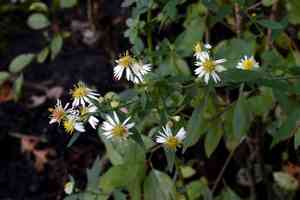
Bottomland aster (Symphyotrichum ontarionis)
Also known as: Aster ontarionis, Ontario Aster
The Bottomland aster (Symphyotrichum ontarionis) is a perennial plant notable for its daisy-like flowers, which feature purple or lavender petals surrounding yellow centers, and bloom from late summer to early fall. Growing 1-3 feet tall, it has characteristic lance-shaped leaves that clasp the stem. This aster favors moist, fertile soils and is commonly found in low-lying areas such as floodplains, wetlands, and along stream banks. It thrives in full to partial sunlight and plays a vital role in its ecosystem by attracting a variety of pollinators.
In This Article
Attributes of Bottomland aster
Lifespan
Perennial
Plant Type
Herb
Plant Height
30 cm to 1.2 m
Spread
N/A
Leaf Color
Green
Flower Size
1-2 cm
Flower Color
White Yellow
Images of Bottomland aster
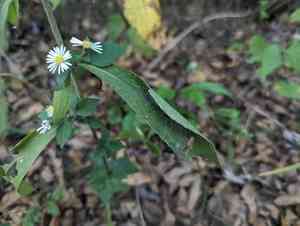
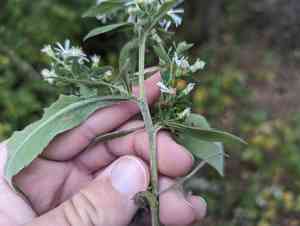
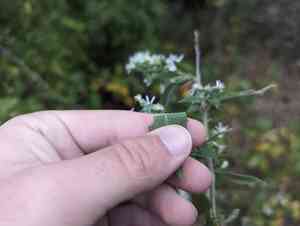
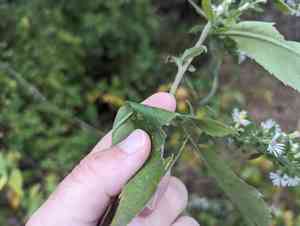
Quickly Identify Bottomland aster
1
Identifying this plant involves looking for lance-shaped leaves that are alternately arranged on the stem, with purplish-blue ray flowers and yellow centers, typically blooming in late summer to early fall.
Scientific Classification of Bottomland aster
Phylum
Vascular plants
Class
Dicotyledons
Order
Asterales
Family
Daisy
Genus
Asters
Species
Bottomland aster
Planting and Growing of Bottomland aster
Care Difficulty
Easy
Watering Schedule
Every 2 days
Sunlight Requirements
Full sun
Sunshine Duration
4-6 hours
Ideal Temperature
60-75℉
Soil Type
Potting Mix, Peat Mix
Soil pH
6.5-7.5
Fertilizer Type
Balanced
Pruning Season
Spring, Summer
Pruning Area
Branches, Leaves
Pruning Frequency
2 times a year
Repotting Season
Spring
Pot Type
Plastic, Ceramic
 How to Water Bottomland aster?
For Symphyotrichum ontarionis, the watering should be thorough, delivering about 500 ml each time. This allows the water to penetrate deeply into the soil, reaching the roots effectively without over-saturating the soil. A consistent moisture level helps prevent the roots from drying out or developing rot.
What are the symptoms of an underwatered Bottomland aster?
›
What should I do if my Bottomland aster is not getting enough water?
›
What are the symptoms of an overwatered Bottomland aster?
›
How to save an overwatered Bottomland aster?
›
 What Are the Sunlight Requirements for Bottomland aster?
Symphyotrichum ontarionis thrives in full sun to partial sun conditions, benefiting from bright, direct light. This promotes lush growth and vibrant flowering, enhancing its ornamental value.
What is the ideal amount of sunshine?
›
How can I help the plant achieve this?
›
What benefits does ideal sunlight provide?
›
 What Is the Ideal Temperature Range for Bottomland aster?
The ideal temperature range for Symphyotrichum ontarionis is between 60°F and 75°F. These conditions mimic the moderate climates of its native habitats, providing the perfect environment for healthy growth and flowering.
 What Soil is Best for Bottomland aster?
Symphyotrichum ontarionis thrives in well-drained soil that prevents waterlogging, ensuring the roots receive oxygen. This is crucial for healthy growth and preventing root rot, which can severely affect plant vitality. A nutrient-rich soil provides essential minerals and organic matter that support robust growth and vibrant flowering. Incorporating compost or organic fertilizers can greatly benefit this plant by boosting soil fertility. Soil with moderate moisture retention balances the availability of water, preventing both drought stress and excess water issues. This soil characteristic ensures consistent hydration for the plant, particularly in warmer climates.
 How to Fertilize Bottomland aster?
For Symphyotrichum ontarionis, apply a balanced liquid fertilizer with an NPK ratio of 10-10-10. Use about 0.5 ounces per gallon of water during the active growing season.
 How to Prune Bottomland aster?
Begin by removing any dead or diseased branches to maintain the plant's health. Next, prune back leggy or unwieldy growth to maintain a compact shape. This encourages new shoots to develop and enhances aesthetic appeal. Conduct a more substantial pruning in early spring before new growth starts. This is the time to make adjustments to size and shape. Follow up with light trimming throughout the growing season to manage size and encourage flowering.
More About Pruning Techniques→
 How to Propagate Bottomland aster plant?
1
Start by preparing a seed tray with a mix of peat and sand. Sow the seeds evenly and cover them lightly with soil. Water the tray gently to ensure moisture without waterlogging.
2
Select a healthy parent plant and cut a 4-6 inch section just below a node. Remove the lower leaves from the cutting and dip the cut end in rooting hormone before planting it in a mix of perlite and peat.
3
Carefully dig up a mature plant and separate it into several sections, ensuring each section has roots attached. Replant each division at the same depth it was growing initially.
 How to Repot Bottomland aster plant?
1
Look for signs such as roots emerging from drainage holes, soil compacted with little drainage, or slowed growth. These indicate it's time to repot. Optimal times are during active growth in spring or early autumn.
2
Select a pot that is one size larger than the current one and ensures good drainage. Using a pot with adequate drainage holes avoids soggy roots and promotes healthy growth. Clay pots can help prevent overwatering by allowing moisture to evaporate.
3
Choose a well-draining potting mix that holds moisture but doesn't remain soggy. A mixture with organic material like peat moss or compost along with perlite is beneficial and supports robust root development.
Learn More About Bottomland aster Diseases
Anthracnose
Bacterial Leaf Spot
Bacterial Soft Rot
Bacterial Wilt
Black Spot
Chemical Injury
Crown Gall
Cyst Nematode
Damping-off
Downy Mildew
Drought Stress
Fusarium Wilt
Gray Mold
Leaf Curl
Leaf Spot
Mosaic
Nutrient Deficiency
Nutrient Toxicity
Powdery Mildew
Root Rot
Root-knot Nematode
Rusts
Sooty Mold
Spider Mites
Temperature Stress
Thrips Damage
White Mold



