How to Prune Bottomland aster?
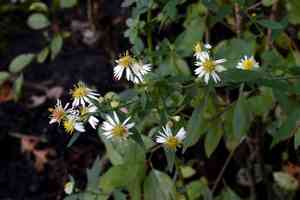
The bottomland aster, known for its vivid purple blooms and durability in damp conditions, thrives with trimming primarily during the spring and summer seasons. Essential methods involve eliminating deceased or compromised stalks to improve air circulation and foster robust development. Trim after blooming to manage its dimensions and form. Be aware of its natural growth pattern and refrain from excessive cutting, which could hinder its flowering. Pruning encourages a denser look and prevents elongated stems, guaranteeing peak vitality and visual appeal.
Advantages of Trimming Bottomland Aster
Advantages of Trimming Bottomland Aster
Trimming bottomland aster encourages robust development and helps preserve its form, ensuring the plant remains visually appealing and doesn't outgrow its designated area. This practice improves light penetration and air circulation, lowering pest and disease risks and fostering healthier blossoms.
Optimal Time for Trimming Bottomland Aster
Optimal Time for Trimming Bottomland Aster
Trimming bottomland aster is best performed in Spring and Summer to align with its growth cycle. During these months, bottomland aster experiences its most vigorous growth, making it more capable of recovering from cuts and promoting healthier regrowth. Spring trimming can help remove any winter-damaged stems and prepare the plant for its blooming season, while Summer trimming helps manage its size and shape, ensuring better air circulation and light exposure. These methods ensure peak plant health and enhance flowering.
Tools Required for Trimming Bottomland Aster
Hand Pruners
Hand pruners are perfect for making clean cuts on stems and small branches up to 1/2 inch in diameter. They are crucial for maintaining the shape and health of bottomland aster.
Loppers
Loppers are useful for cutting thicker stems and branches that hand pruners cannot manage. They offer greater leverage and ease in cutting branches up to 1-1.5 inches in diameter.
Pruning Saw
A pruning saw is essential for any larger branches that exceed the cutting capacity of loppers. They are designed to make clean cuts on larger woody stems and branches, ensuring proper healing for bottomland aster.
Bypass Pruners
Bypass pruners are particularly effective for making precise cuts on living tissue. Their scissor-like action is less likely to crush the stems, which is important for the healthy growth of bottomland aster.
Pruning Shears
Pruning shears are useful for trimming smaller stems, removing spent flowers, and making detailed cuts. They help maintain the overall appearance and encourage new growth in bottomland aster.
How to Trim Bottomland Aster
Identify
Start by carefully inspecting bottomland aster to pinpoint any diseased leaves, withered leaves, and diseased stems that require removal. Look for indicators such as discoloration, spots, or wilting.
Tool preparation
Gather sharp, clean pruning shears to ensure accurate cuts and minimize harm to the plant. Sanitize the tools with rubbing alcohol to prevent the spread of disease.
Diseased leaves removal
Carefully remove all diseased leaves. Make cuts at the base of the leaf stem where it connects to the main stem. Dispose of the diseased leaves away from your garden area.
Withered leaves removal
Trim away any withered leaves by cutting them off at their point of attachment to the plant. Ensure that no dead material remains on the plant to maintain its health and appearance.
Diseased stems removal
Cut away any diseased stems, making the cut a few inches below the affected area into healthy tissue. Ensure each cut is clean and smooth to promote proper healing of the plant.
Common Trimming Errors with Bottomland Aster
Improper Technique
Incorrect trimming methods, such as making jagged cuts or tearing branches, can lead to plant stress and increase vulnerability to diseases.
Excessive Pruning
Removing too much foliage at once can shock bottomland aster, hindering its ability to photosynthesize effectively and resulting in poor overall health.
Neglecting Deadheading
Failing to remove spent blooms can prevent bottomland aster from producing more flowers and can lead to a messy appearance.
Wrong Tools
Using dull or unsuitable tools can damage the plant tissue, making it harder for bottomland aster to heal and inviting potential infections.
General Trimming Advice for Bottomland Aster
Use Sharp, Clean Tools
Ensure that your pruning shears or scissors are sharp and cleaned regularly to make precise, clean cuts and prevent the spread of diseases.
Cut at the Right Place
Make cuts just above a node (the point where leaves join the stem) to encourage new growth and maintain a healthy structure for bottomland aster.
Moderate Pruning
Remove no more than one-third of the plant's foliage at a time to avoid causing stress and ensure that bottomland aster retains enough foliage for photosynthesis.
Regular Deadheading
Consistently remove spent flowers (deadhead) to promote further blooming and maintain the aesthetic appeal of bottomland aster.
Monitor for Disease
Regularly inspect bottomland aster for any signs of disease or pest infestations, and prune away affected areas promptly to prevent spread.



