How to Propagate Bottomland aster?
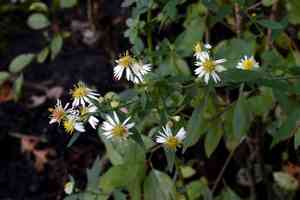
Symphyotrichum puniceum flourishes in damp, adequately drained earth and dappled sunlight. For propagation via seeding, position the seeds barely beneath the ground's surface. Preserve uniform humidity, preventing saturation. Employ a gentle mist for watering to avert dislodging soil or seeds. A steady temperature improves the likelihood of successful germination. After seedlings have taken root, carefully relocate them to lessen root trauma. Applying mulch aids in moisture retention and weed control.
Optimal Period for Bottomland Aster Propagation
Propagation Method
Seeding
Propagation Period
Spring
Tools Required for Bottomland Aster Propagation
Seed Tray
Seed trays are crucial for initiating bottomland aster from seeds. They offer a controlled setting, ensuring seed protection, ample germination space, and easy monitoring. Gardeners can effectively manage soil moisture and achieve uniform seed distribution using these trays.
Seed Starting Mix
A seed starting mix is a light, nutrient-rich growth medium that supports the germination of bottomland aster seeds. This blend guarantees proper drainage and aeration, minimizing disease risk and fostering robust root development.
Watering Can with Fine Rose
A watering can equipped with a fine rose gently and evenly disperses water over seeds in trays, preventing soil displacement and seed disruption. Consistent moisture is vital for successful bottomland aster germination.
Heated Propagation Mat
Heated mats provide steady bottom heat, which is essential for bottomland aster seed germination. They help maintain an ideal temperature, speeding up the germination process and boosting success rates.
Plastic Dome or Mini Greenhouse
A plastic dome or mini greenhouse creates a humid environment favorable for seed germination. For bottomland aster, this added humidity helps maintain soil and air moisture levels, promoting quicker and more dependable germination.
Plant Labels
Proper labeling of seed trays with plant labels ensures easy identification of bottomland aster throughout the propagation process. Accurate labeling aids in tracking growth and specific care needs for each plant type.
Spray Bottle
A spray bottle is useful for misting the soil surface, maintaining necessary humidity without over-watering. This is particularly important for delicate bottomland aster seedlings, which can be easily harmed by direct watering.
Seed Sowing Tool
This tool assists with the precise placement of small seeds like those of bottomland aster. It ensures even distribution and proper spacing, which can prevent overcrowding and enhance overall plant health.
Grow Lights
Grow lights supply the essential light spectrum for photosynthesis and growth of bottomland aster seedlings, especially if natural light is insufficient. They help ensure strong, healthy seedlings, preventing weak or leggy growth.
How to Propagate Bottomland Aster?
Propagation Type
Simple
Caring for Your Newly Propagated Bottomland Aster
Caring for Your Newly Propagated Bottomland Aster
Once seedlings emerge and reach a few inches, gradually introduce them to outdoor conditions. Transplant them to a spot with partial to full sun and well-drained soil. Water regularly, but avoid waterlogging. Apply mulch around the plant bases to retain moisture and suppress weeds. Monitor for pests and diseases, promptly removing any affected parts.
Common Errors to Avoid When Propagating Bottomland Aster
Overwatering
Excessive moisture can lead to root rot, which is particularly damaging to bottomland aster and can cause plant demise.
Inadequate Light
Insufficient light can result in weak, elongated growth and poor root development, diminishing the overall vigor of propagated plants.
Poor Soil Drainage
Using soil that retains too much water can suffocate roots and encourage fungal diseases, hindering successful propagation.
Incorrect Soil pH
This plant prefers slightly acidic to neutral soil. Using overly alkaline soil can negatively impact nutrient absorption and overall plant health.
Improper Cutting Techniques
Using dull tools or making uneven cuts can harm the plant and reduce the success rate of cuttings developing into healthy plants.
Neglecting Pest Control
Failure to monitor for pests can lead to infestations that damage young plants, making it difficult for them to establish.
Tips For Propagating Bottomland Aster
Use Well-Draining Soil
Ensure the soil mix drains excellently to prevent waterlogging and root rot. Adding perlite or sand can enhance drainage.
Sterilize Tools
Always sterilize pruning tools to prevent the spread of diseases that can compromise the health of cuttings and new plants.
Provide Adequate Light
Place cuttings in a location with ample indirect sunlight to encourage strong, healthy growth without scorching delicate new leaves.
Maintain Moisture Levels
Keep the soil consistently moist but not waterlogged. Using a humidity dome can help maintain appropriate moisture levels.
Monitor Soil pH
Regularly check and adjust the soil pH to ensure it remains slightly acidic to neutral, promoting optimal nutrient uptake and growth.
Control Pests
Inspect plants regularly for pests and use appropriate organic or chemical controls to keep potential infestations at bay.



