How to Transplant Marsh american-aster?
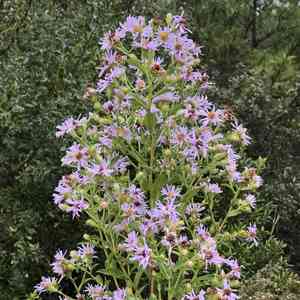
Marsh american-aster flourishes when transplanted in the mild period of early to mid-spring. This species favors brightly lit areas with soil that drains effectively. Verify that the selected site provides sufficient illumination to aid marsh american-aster in developing robust and sturdy root systems.
What Preparations are Needed Before Transplanting Marsh American-aster?
What is the Ideal Time for Transplanting Marsh American-aster?
Marsh american-aster, a perennial, is best moved in early to mid-spring. This timing allows root establishment prior to summer heat. Transplanting then ensures better settling, leading to robust growth and abundant blooms. Early season relocation also reduces environmental stress.
How Much Space Should You Leave Between Marsh American-aster Plants?
Position your marsh american-aster plants approximately 18-24 inches (45-60 cm) apart. This spacing provides ample room for growth and prevents competition for nutrients and light.
What is the Best Soil Mix for Marsh American-aster Transplanting?
Prepare soil that drains well and is enriched with organic material like compost. Incorporating a balanced base fertilizer (such as a 10-10-10) at planting can give your marsh american-aster plants an excellent start.
Where Should You Relocate Your Marsh American-aster?
Select a location that receives full sun, ideally 6-8 hours of direct sunlight daily. This promotes strong growth and beautiful flowering for marsh american-aster plants.
What Equipments Should You Prepare Before Transplantation Marsh American-aster?
Gardening Gloves
To safeguard your hands while handling soil and plants.
Shovel or Spade
For digging around the plant and creating a hole at the new site.
Trowel
Useful for smaller, precise digging tasks.
Watering Can or Hose
To hydrate the plant before and after its relocation.
Compost or Organic Matter
To enrich the soil within the transplanting hole.
Mulch
To aid in retaining soil moisture post-transplanting.
Wheelbarrow or Bucket
For moving the plant, soil, or compost as required.
How Do You Remove Marsh American-aster from the Soil?
How Do You Remove Marsh American-aster from the Soil?
From Ground: First, moisten the marsh american-aster plant's soil. Then, dig a wide trench around the plant with a shovel or spade, keeping the root ball intact. Carefully work the spade beneath the root ball to lift the plant from its original spot.From Pot: Water the marsh american-aster plant thoroughly before removal. Gently tip the container and ease the plant out by tapping the bottom and sides. If needed, run a knife along the edges to loosen roots. Be careful not to harm the root ball.From Seedling Tray: Dampen the soil in the tray. Gently loosen the soil around the marsh american-aster seedling with a trowel. Carefully lift the seedling, ensuring the root ball remains intact.
Step-by-Step Guide for Transplanting Marsh American-aster
Prepare the Site
Clear the area of unwanted plants and debris. Dig a hole twice as wide and as deep as the marsh american-aster plant's root ball.
Improve the Soil
Mix compost or organic material into the soil removed from the hole. This will enhance drainage and supply nutrients.
Place the Plant
Position the marsh american-aster plant in the hole, ensuring the top of the root ball is level with the surrounding ground. Adjust hole depth if necessary.
Backfill the Hole
Refill the hole with the enriched soil, gently firming it around the roots to remove air pockets. Avoid excessive compaction.
Water Thoroughly
Deeply water the newly transplanted marsh american-aster plant to help settle the soil and encourage root establishment.
Apply Mulch
Spread a layer of mulch around the plant's base, keeping it a few inches from the stem to prevent rot.
How Do You Care For Marsh American-aster After Transplanting?
Watering
Keep the soil around the marsh american-aster consistently moist, but not waterlogged, for the initial weeks post-transplant to aid strong root development.
Mulching
Apply a layer of mulch to retain soil moisture and regulate temperature, but keep it away from the plant's base to prevent disease.
Regular Checks
Monitor the plant for signs of distress, such as wilting or yellowing leaves, and adjust care as needed. Remove any competing weeds.
Troubleshooting Common Issues with Marsh American-aster Transplantation.
When is the best time to transplant marsh american-aster?
Early to late spring is ideal for relocating marsh american-aster to promote healthy growth.
How much space should I leave between transplants?
Space marsh american-aster transplants 18-24 inches (45-60 cm) apart to ensure adequate room for growth.
What type of soil is best for marsh american-aster?
Well-draining soil with moderate fertility is perfect for marsh american-aster for optimal growth and health.
Should I water marsh american-aster immediately after transplanting?
Yes, water marsh american-aster thoroughly right after transplanting to help it settle into its new spot.
How deep should I plant marsh american-aster when transplanting?
Plant marsh american-aster at the same depth it was growing in its previous location for best results.
Can I transplant marsh american-aster during hot weather?
Avoid moving marsh american-aster during hot weather as it can cause stress; spring is optimal.
Do I need to prune marsh american-aster before transplanting?
Trimming back any damaged or overgrown parts can help marsh american-aster focus on establishing roots after transplanting.
What if marsh american-aster wilts after transplanting?
Wilting can be normal. Ensure it's well-watered and shaded initially to recover quickly.
How should I prepare the new site for marsh american-aster?
Loosen the soil and remove weeds in the new spot before transplanting marsh american-aster.
Is mulching beneficial for marsh american-aster after transplanting?
Yes, mulching around marsh american-aster helps retain soil moisture and control weeds.



