How to Prune Marsh american-aster?
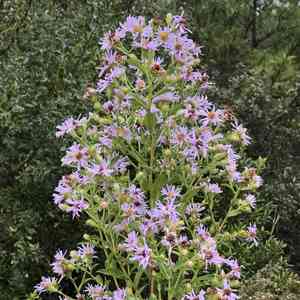
This species flourishes in damp, sun-drenched environments, showcasing its prominent late-summer blossoms. Trimming marsh american-aster is recommended in late winter or early spring to stimulate vigorous development and a denser look. Sever aged stalks at soil level and thin out congested sections to boost air movement. Consistent trimming lowers the likelihood of illness and improves blooming. For optimal outcomes, employ sanitized, keen implements and dispose of any infected plant matter appropriately.
What Are the Benefits of Pruning Marsh American-aster?
What Are the Benefits of Pruning Marsh American-aster?
Trimming marsh american-aster encourages robust development, helps maintain its form, boosts flowering, and enhances overall plant health by eliminating dead or diseased branches. Regular trimming promotes a more attractive shape and aids the plant in resisting pests and diseases effectively.
What Is the Best Time for Pruning Marsh American-aster?
What Is the Best Time for Pruning Marsh American-aster?
Trimming marsh american-aster in early spring or late winter is considered ideal because, during these periods, the plant is still dormant or just starting to emerge from dormancy. This timing minimizes plant stress, allowing it to heal quickly and direct energy towards new growth, enhancing its vigor and maintaining its structure. Additionally, pruning at these times can help shape the plant and remove any winter damage before the active growing and flowering seasons begin.
What Tools Do I Need to Prune Marsh American-aster?
Bypass pruners
Bypass pruners are perfect for cutting live stems and branches up to ¾ inch in diameter. They provide a clean cut, which aids marsh american-aster's quick recovery and lowers disease risk.
Loppers
Loppers are useful for thicker stems and branches too robust for bypass pruners. They can cut branches up to 2 inches in diameter, making them suitable for marsh american-aster's larger growth.
Pruning saw
A pruning saw is crucial for cutting branches exceeding 2 inches in diameter. Its serrated blade allows for efficient cutting without harming the plant.
Gloves
Wearing durable gloves protects your hands from thorns, insects, and scrapes while trimming marsh american-aster.
Disinfectant wipes
Using disinfectant wipes to clean your tools between cuts helps prevent the spread of diseases in marsh american-aster.
How to Prune Marsh American-aster
Assessment
Examine marsh american-aster for any diseased or withered foliage, pinpointing areas that need trimming.
Tool selection
Utilize sterilized, sharp pruning shears to prevent disease transmission and ensure precise cuts.
Removal
Carefully trim diseased leaves by cutting them back to healthy tissue, ensuring complete removal of affected parts.
Disposal
Promptly discard diseased and withered leaves away from marsh american-aster to prevent contamination and disease spread.
Review
Re-examine marsh american-aster after pruning to confirm all diseased and withered leaves are gone, making any necessary additional trims.
Common Pruning Mistakes with Marsh American-aster
Improper cutting techniques
A frequent error is using dull or dirty tools, which can create jagged cuts that may invite disease. Gardeners should ensure their pruners are sharp and sanitized for clean cuts.
Over-pruning
Another common mistake is removing too much foliage at once. Marsh american-aster should only have a third of its growth pruned at any given time to avoid shock and ensure the plant's vitality.
Neglecting deadheading
Failing to remove spent flowers can be detrimental as it prevents new blooms from forming and reduces the overall aesthetic appeal of marsh american-aster.
Incorrect height reduction
Cutting back marsh american-aster too severely or at the wrong point can lead to poor regrowth or even damage the plant structure. It's important to understand where to make the cuts.
Common Pruning Tips for Marsh American-aster
Clean tools
Always use clean, sharp pruning shears to prevent disease transmission and ensure clean cuts.
Deadhead regularly
Remove spent blooms regularly to encourage continuous flowering and maintain a neat appearance.
Prune strategically
Prune stems back by one-third to control shape and encourage bushier growth without overwhelming the plant. Focus on cutting just above a leaf node or bud to promote healthy regrowth.
Remove damaged growth
Regularly remove any dead, damaged, or diseased stems to help marsh american-aster redirect its energy to healthy growth and blooming.
Mind the density
Thin out dense areas to improve air circulation and light penetration, which helps in reducing disease risk and promoting vigorous growth.



