How to Propagate Marsh american-aster?
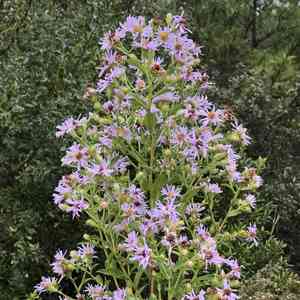
The Marsh american-aster flourishes in aquatic environments, yielding vibrant purple blossoms. To achieve effective propagation, sow seeds directly into damp, well-draining earth under abundant sunlight. When utilizing mature seeds, guarantee uniform dispersal and a thin layer of soil coverage. Steady hydration aids in germination and development. Steer clear of excessively saturated conditions to avert decay. Provide sufficient room for each young plant to grow vigorously. This guarantees a prosperous propagation endeavor.
Optimal Period for Marsh American-aster Propagation
Propagation Method
Seeding
Propagation Period
Spring
Tools Required for Marsh American-aster Propagation
Seed Trays
Seed trays are vital for germinating marsh american-aster seeds, offering a controlled setting. Their shallow depth and drainage holes help maintain proper moisture, crucial for seedling health and development.
Seedling Mix
A premium seedling mix is essential for marsh american-aster sowing, providing the correct balance of air, drainage, and nutrients. This supports delicate roots and encourages strong seedling growth.
Humidity Dome
A humidity dome aids in sustaining high humidity around marsh american-aster seeds, which is beneficial for successful germination. It prevents rapid soil drying and ensures a stable sprouting environment.
Heat Mat
A heat mat is useful for delivering consistent warmth to seed trays. This can enhance the germination rate of marsh american-aster by keeping soil temperature within the optimal range for seed emergence.
Spray Bottle
A spray bottle is perfect for watering marsh american-aster seeds without disturbing the soil or washing them away. Gentle misting ensures the soil stays moist but not saturated, promoting healthy growth.
Labeling Stakes
Labeling stakes help track sowing dates and plant identification in seed trays. This is critical for marsh american-aster to monitor growth stages and ensure proper care throughout the propagation process.
Fine Mesh Sieve
A fine mesh sieve is used to screen soil or seedling mix before sowing. This removes large particles and ensures a fine, uniform texture, providing an ideal environment for the tiny seeds of marsh american-aster.
Tweezers
Tweezers can be helpful for precisely handling small marsh american-aster seeds during sowing. This minimizes damage and ensures accurate placement of seeds in the seed tray.
How to Propagate Marsh American-aster?
Propagation Type
Simple
Post-Propagation Care for Marsh American-aster
Post-Propagation Care for Marsh American-aster
After transplanting, water seedlings regularly to keep the soil consistently damp but not waterlogged. Monitor for pests and diseases. Apply a balanced, slow-release fertilizer once plants are established. Mulch around the base to retain moisture and suppress weeds. Prune any dead or damaged growth to encourage healthy development. Regularly check for signs of stress or nutrient deficiencies and address them promptly to ensure robust growth.
Common Errors to Avoid When Propagating Marsh American-aster
Inappropriate Soil Selection
Using soil that drains poorly or lacks the necessary moisture retention for marsh american-aster can hinder growth and lead to root rot.
Excessive Watering
Too much water can suffocate the roots of marsh american-aster, especially since it thrives in moist but not waterlogged conditions, resulting in root rot and growth failure.
Incorrect Light Exposure
Placing marsh american-aster in areas with insufficient sunlight impedes its growth and blooming potential, while excessive direct sunlight can scorch its leaves.
Neglecting Soil pH
Failing to monitor and adjust soil pH to the acidic preference of marsh american-aster can cause nutrient deficiencies, affecting overall plant health.
Advice for Propagating Marsh American-aster
Utilize Well-Draining Soil
Ensure the soil mix for marsh american-aster drains well yet retains adequate moisture, such as sandy loam or soil enriched with organic compost.
Moderate Irrigation
Water marsh american-aster moderately, keeping the soil consistently moist but not saturated to prevent root problems.
Sufficient Sunlight
Plant marsh american-aster in a location where it receives partial to full sunlight, ensuring enough light for thriving without excessive exposure.
Check and Adjust Soil pH
Regularly test soil pH and amend it to maintain an acidic environment, ideally between 5.5 and 6.5, to promote optimal nutrient availability and plant health.



