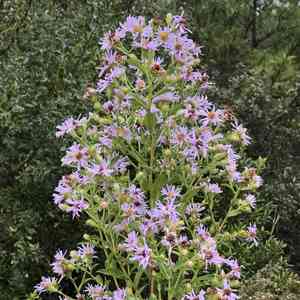
Marsh american-aster (Symphyotrichum elliottii)
Also known as: Elliott's Aster
The New England Aster is a perennial wildflower thriving in moist environments. It showcases daisy-like flowers with violet-blue petals surrounding a yellow center, blooming on robust, branching stems. The plant's lance-shaped leaves clasp its stems, supporting its vertical growth. Blooming from late summer to fall, it attracts butterflies, contributing to the local ecosystem.
In This Article
Attributes of Marsh american-aster
Lifespan
Perennial
Plant Type
Herb
Plant Height
3-4 feet
Spread
1-2 feet
Leaf Color
Green
Flower Size
1-1.5 inches
Flower Color
Purple
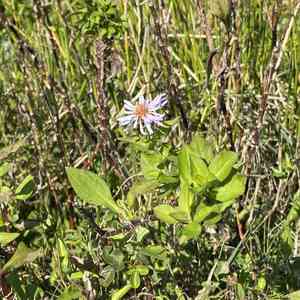
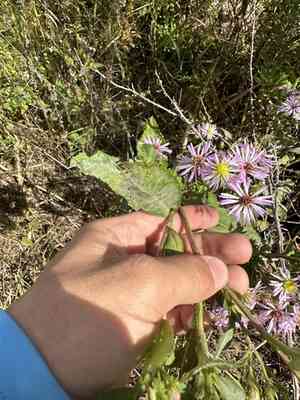
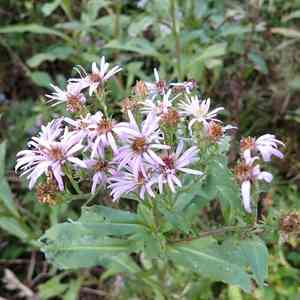
Images of Marsh american-aster
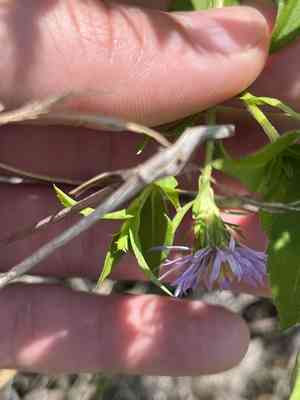
Quickly Identify Marsh american-aster
1
Elliott\'s Aster can be identified by its tall, upright stems that can reach up to 4 feet in height. The leaves are lance-shaped and arranged alternately along the stem. Its flowers are the most distinctive feature, with purple ray florets surrounding a central yellow disk.
Scientific Classification of Marsh american-aster
Phylum
Vascular plants
Class
Dicotyledons
Order
Asterales
Family
Daisy
Genus
Asters
Species
Marsh american-aster
Planting and Growing of Marsh american-aster
Care Difficulty
Moderate
Watering Schedule
Every 4 days
Sunlight Requirements
Full sun
Sunshine Duration
4-8 hours
Ideal Temperature
65-75℉
Soil Type
Potting Mix, Peat Mix
Soil pH
6-7.5
Fertilizer Type
Balanced
Pruning Season
Spring, Summer
Pruning Area
Branches, Leaves
Pruning Frequency
Once a year
Repotting Season
Spring
Pot Type
Plastic, Ceramic
 How to Water Marsh american-aster?
Symphyotrichum elliottii thrives when watered deeply but not too often. The key is to ensure the root zone remains moist but not waterlogged. Water approximately 500 ml each time, allowing the water to seep slowly into the soil, ensuring it reaches the roots without causing stagnation.
What are the symptoms of an underwatered Marsh american-aster?
›
What should I do if my Marsh american-aster is not getting enough water?
›
What are the symptoms of an overwatered Marsh american-aster?
›
How to save an overwatered Marsh american-aster?
›
 What Are the Sunlight Requirements for Marsh american-aster?
Symphyotrichum elliottii prefers a lighting range of full to partial sun exposure. Proper sunlight is crucial for energizing photosynthesis, fostering robust growth, and ensuring it blooms profusely.
What is the ideal lighting condition for Symphyotrichum elliottii?
›
How can I achieve ideal lighting for this plant?
›
What are the benefits of proper lighting for Symphyotrichum elliottii?
›
 What Is the Ideal Temperature Range for Marsh american-aster?
The ideal temperature range for growing Symphyotrichum elliottii is between 65°F and 75°F. This range provides optimal conditions for the plant's photosynthesis, growth, and overall health, ensuring vibrant blooms and healthy foliage.
 What Soil is Best for Marsh american-aster?
Symphyotrichum elliottii thrives in well-draining soil, which helps prevent root rot by avoiding excess water retention. This type of soil ensures that the roots receive adequate oxygen and nutrients for optimal growth. A nutrient-rich loam is ideal for this plant as it provides the necessary minerals and organic matter for robust growth and vibrant blooms. The abundance of nutrients supports healthy foliage and longer-lasting flowers. While preferring a well-draining soil, Symphyotrichum elliottii also benefits from a certain level of moisture retention. This balance ensures consistent moisture availability to the roots while preventing water logging, essential for its overall health.
 How to Fertilize Marsh american-aster?
For Symphyotrichum elliottii, apply liquid fertilizer at a concentration of half the recommended dose on the product label. Over-fertilizing can harm the plant, so moderation is key. When using slow-release fertilizers, apply about a tablespoon per square foot around the base of the plant to ensure a steady nutrient supply.
 How to Prune Marsh american-aster?
Start pruning by deadheading old, faded flowers. This encourages prolonged blooming and prevents the plant from allocating energy to seed production unnecessarily. Identify stems that are overcrowding or exceeding the desired shape of the plant. Trim these back to shape the plant and enhance light penetration and air circulation. For any especially overgrown branches, cut back about one-third of the branch. Be sure to cut just above a leaf node to stimulate new growth from that point.
More About Pruning Techniques→
 How to Propagate Marsh american-aster plant?
1
Use a well-draining potting mix to prepare the trays or pots. This ensures that the plants have adequate drainage and aeration, which is crucial for seedling development.
2
Place seeds in the prepared soil and cover them lightly. Maintain moisture levels and avoid placing them in direct sunlight initially to prevent drying out.
3
Select healthy, disease-free stems for cuttings. Cut just below a node, ensuring each cutting has several sets of leaves. Remove the leaves from the lower part of the cutting to prevent rot.
 How to Repot Marsh american-aster plant?
1
You should repot Symphyotrichum elliottii when you notice roots growing out of the drainage holes or the plant appears overly compacted and stunted in growth. The optimal time for this task is during spring or early summer, as this allows the plant to adjust before its active growth season.
2
Pick a pot that is one size larger than the current one, ensuring it has good drainage holes to prevent root rot. A pot made of porous material like terracotta can be beneficial as it allows soil to breathe, preventing water-related issues.
3
Use a well-drained sandy loam to support the plant's root system while allowing excess moisture to escape. This type of soil mix helps prevent waterlogging and promotes healthy root development.
Learn More About Marsh american-aster Diseases
Anthracnose
Bacterial Leaf Spot
Bacterial Soft Rot
Bacterial Wilt
Black Spot
Chemical Injury
Crown Gall
Cyst Nematode
Damping-off
Downy Mildew
Drought Stress
Fusarium Wilt
Gray Mold
Leaf Curl
Leaf Spot
Mosaic
Nutrient Deficiency
Nutrient Toxicity
Powdery Mildew
Root Rot
Root-knot Nematode
Rusts
Sooty Mold
Spider Mites
Temperature Stress
Thrips Damage
White Mold



