How to Transplant Western aster?
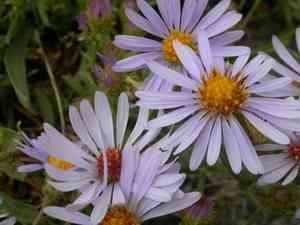
Western aster flourishes when moved from the latter part of spring through the comfortable period of midsummer, provided it receives abundant sunshine in soil that drains effectively. To ensure a successful transition, minimize disruption to its root system and supply sufficient hydration after replanting.
What Preparations are Needed Before Transplanting Western Aster?
What is the Ideal Time for Transplanting Western Aster?
Relocate western aster during the lively period from late spring through the heart of summer for best establishment. This timeframe provides the gentle warmth and ample development time western aster desires, ensuring a robust, healthy root system before winter's cold. Introducing western aster to your garden in this season aligns with its natural growth cycle, promoting a smooth transition and strong development. Embrace this period when the ground is warm and life rejuvenates - it's nature's signal for western aster's successful new beginning.
How Much Space Should You Leave Between Western Aster Plants?
When rehousing western aster in your garden, aim for a comfortable spacing of approximately 18-24 inches (45-60 cm) apart. This allows each plant sufficient room to thrive without competing for sunlight, nutrients, or air circulation.
What is the Best Soil Mix for Western Aster Transplanting?
Prepare a welcoming bed for western aster with well-draining soil rich in organic material. A light application of a balanced, slow-release fertilizer will provide your western aster with a beneficial nutrient boost as they settle into their new location.
Where Should You Relocate Your Western Aster?
Choose a sunny location where western aster can enjoy at least 6 hours of daylight. These golden rays are crucial for thriving, blooming western aster, though some afternoon shade is acceptable if the sun is particularly intense in your region.
What Equipments Should You Prepare Before Transplantation Western Aster?
Gardening Gloves
To safeguard your hands while handling soil and plants.
Spade or Shovel
For digging the plant from its current spot and preparing the new hole.
Gardening Trowel
For more precise work around the roots and excavating smaller holes.
Watering Can or Hose
To hydrate the plant before and after its relocation.
Pruners
To trim any damaged roots or foliage.
Wheelbarrow or Garden Cart
To move the excavated plant to its new site, if necessary.
Measuring Tape
To assist in correctly spacing multiple western aster during transplantation.
Root Stimulator (Optional)
A solution to encourage root development post-transplant.
How Do You Remove Western Aster from the Soil?
How Do You Remove Western Aster from the Soil?
From Ground: Thoroughly water the western aster to facilitate its removal. Use a spade or shovel to dig a wide circle around the plant, avoiding damage to the root ball. Gently lift the plant from the ground, keeping as much soil attached to the roots as possible.From Pot: Tilt the container and gently tap its sides to loosen the roots' grip. If needed, slide a trowel along the pot's inner edge to help free the root ball. Carefully extract the western aster from the pot.From Seedling Tray: Water the western aster seedlings to ensure the soil remains cohesive. Use a spoon or a small dibber to carefully lift each seedling with its root ball intact, taking care not to harm the delicate roots.
Step-by-Step Guide for Transplanting Western Aster
Transplant Timing
Select a cool, overcast day for relocating your western aster to minimize stress on the plant.
Preparing the Plant
Trim any damaged or excessively long roots. If the root ball is particularly dense or pot-bound, gently separate the roots outwards to encourage them to grow into the surrounding soil.
Preparing the Hole
Dig a hole in the ground that is twice as wide and the same depth as the root ball of your western aster.
Placing the Plant
Center the western aster in the hole so that the top of the root ball is level with the surrounding soil surface.
Filling the Hole
Carefully backfill soil around the root ball, gently firming it with your hands to eliminate air pockets.
Watering
Thoroughly water the western aster after transplanting to settle the soil and hydrate the roots.
Mulching
Apply a layer of mulch around the base of the western aster to help retain moisture and regulate soil temperature.
How Do You Care For Western Aster After Transplanting?
Monitoring
Observe your western aster for indications of transplant shock, such as wilting or yellowing leaves, and take appropriate action if necessary.
Regular Watering
Ensure consistent moisture by watering your western aster when the top inch of soil feels dry, without overwatering.
Mulch Check
Maintain the mulch layer to conserve moisture but pull it back slightly from the plant's stem to prevent rot.
Support Structures
If your western aster is tall or in a windy location, consider staking or using plant supports to stabilize the plant while it establishes.
Observation
Monitor the western aster for pest or disease issues and address them promptly to prevent any setbacks in the plant's recovery and growth.
Troubleshooting Common Issues with Western Aster Transplantation.
When is the best time to transplant western aster?
The optimal transplanting period for western aster is from late spring to midsummer for ideal root establishment.
What spacing is ideal for transplanting western aster?
Space western aster approximately 18-24 inches (45-60 cm) apart to ensure adequate room for growth and air circulation.
How deep should I plant western aster when transplanting?
The root ball should be positioned at the same depth it was previously growing, ensuring the crown is at soil level.
Why are my transplanted western aster wilting?
Wilting after transplant may indicate water stress. Ensure consistent moisture without overwatering and provide shade if needed.
How do I prepare the soil for transplanting western aster?
Enrich the soil with compost, ensure it drains well, and loosen it to a depth of about 12 inches (30 cm).
Can I transplant western aster in full sun?
Yes, western aster thrives in full sun. Just ensure the soil remains moist and protect the plant from extreme heat initially.
How often should I water western aster after transplanting?
Water western aster deeply after transplanting, then maintain moisture with 1 inch (2.5 cm) of water per week.
What should I do if the leaves of western aster turn yellow after transplanting?
Yellow leaves can signal transplant shock. Ensure sufficient water and avoid fertilizers until the plant is established.
Is it necessary to prune western aster when transplanting?
Light pruning can help reduce transplant shock, but extensive pruning is not recommended at this stage.
How do I protect newly transplanted western aster from pests?
Keep the area free of weeds and debris to minimize pest habitats, and inspect regularly for early signs of infestation.



