The Western aster Plant Advantage: Maximizing Home and Office Appeal and Wellness
1
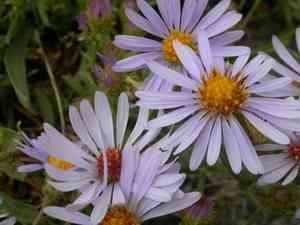
The Western aster is recognized for its remarkably attractive violet blossoms.
2
It flourishes in diverse soil conditions, making it a straightforward plant to cultivate.
3
Western aster offers crucial environments for beneficial insects like bees and butterflies.
Why Western Aster is a Great Garden Addition
Visual Appeal
The striking purple blossoms of Western aster offer a beautiful sight, bringing vivid color to any garden. These flowers bloom from late summer into early autumn, providing extended vibrant hues when many other plants have faded. Its abundant, full flower clusters make it an excellent border plant or focal point in landscape designs.
Simple to Cultivate
Western aster is recognized for its hardy nature and adaptability to various soil types, including sandy, clay, and loamy. It needs minimal upkeep, making it an ideal choice for both new and experienced gardeners. Its ability to thrive in both full sun and partial shade further boosts its versatility, ensuring it can flourish in diverse garden settings.
How Western Aster Benefits the Environment
Pollinator Support
One of Western aster's most significant advantages is its capacity to draw in and sustain pollinators. Bees, butterflies, and other helpful insects are drawn to its nectar-rich flowers, ensuring the pollination of various plants in your garden. This makes Western aster a vital element in promoting biodiversity and maintaining healthy ecosystems.
Wildlife Habitat
Beyond pollinators, Western aster also offers refuge and sustenance for various wildlife species. Birds frequently use the plant for cover, and the seeds produced by the flowers serve as a valuable food source for them. By including Western aster in your garden, you create a supportive environment for multiple species, enhancing your area's ecological balance.
Practical Landscaping Applications
Erosion Prevention
Western aster is particularly effective in preventing soil erosion due to its extensive, fibrous root system. Planting Western aster on slopes or areas prone to erosion helps stabilize the soil, preventing loss and promoting sustainable land management.
Companion Planting
Western aster can be used as a companion plant to enhance the growth of nearby flora. Its presence helps improve soil health by promoting beneficial microorganisms, and its dense foliage provides a natural mulch that conserves moisture and reduces weed growth. Integrating Western aster in your garden can lead to healthier, more productive plantings overall.
Cultivation Advice for Optimal Growth
Planting and Soil Preparation
For the best growth of Western aster, prepare the soil by incorporating organic matter like compost to boost fertility. When planting, space the plants approximately 18-24 inches apart to allow for proper air circulation and development. Water the plants thoroughly after planting to help them establish strong roots.
Maintenance and Care
Consistent watering during the initial growing season is essential to help Western aster establish. Once established, it requires minimal watering, except during extended dry periods. Pruning spent flowers can encourage more blooms and maintain the plant's appearance. In the fall, consider cutting back the foliage to promote healthy growth in the spring.
How Western Aster Contributes to Sustainable Gardening
Natural Pest Control
By attracting beneficial insects such as ladybugs and lacewings, Western aster aids in controlling pest populations naturally. These insects prey on common garden pests like aphids and mites, reducing the need for chemical pesticides and fostering a healthier garden environment.
Water-Efficient Landscaping
Western aster is drought-tolerant once established, making it an excellent choice for water-wise landscaping. Incorporating Western aster into your garden design can reduce water usage, conserve resources, and maintain an attractive landscape during dry periods.



