How to Prune Western aster?
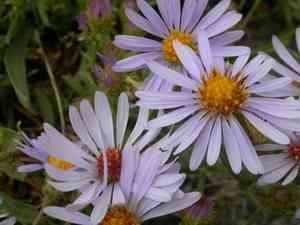
This enduring plant is recognized for its vivid late-summer through autumn flowers. For western aster, trimming ought to occur in spring or directly following blooming to foster vigorous development and abundant blossoms. Snip off faded flowers down to the plant's foundational leaves to encourage a neat look and deter self-propagation. Early spring trimming involves eliminating lifeless or compromised stalks. Pruning not only preserves form but also incites fresh growth, guaranteeing a strong presentation in the subsequent period.
What Are the Benefits of Pruning Western Aster?
What Are the Benefits of Pruning Western Aster?
Trimming western aster promotes more robust development, ensuring vital energy is directed toward fresh, healthy growth. Regular cutting helps maintain its desired form and size, enhancing aesthetic appeal and garden balance.
What Is the Best Time for Pruning Western Aster?
What Is the Best Time for Pruning Western Aster?
Late spring is optimal for pruning western aster as this timing allows for the removal of winter damage before new growth emerges. It also reduces disease risk by minimizing the exposure of fresh cuts during damp spring conditions. Early summer pruning is beneficial for shaping the plant and managing its size, especially after western aster has expended energy on spring growth. Pruning at this time ensures the plant maintains vitality and channels energy towards flowering, which typically occurs in late summer or fall for western aster. Avoiding pruning late in the season is critical to prevent new growth that may not harden before winter.
What Tools Do I Need to Prune Western Aster?
Bypass Pruners
Perfect for making clean cuts on the slender stems of western aster, bypass pruners inflict less harm on plant tissues, aiding in better recovery.
Gardening Gloves
Protect hands from scrapes and ensure a firmer grip on tools while trimming western aster.
Pruning Saw
For thicker, woody stems that may have developed on western aster, a pruning saw is essential for making clean cuts without tearing.
Long-Handled Loppers
Useful for reaching stems deeper within western aster or for cutting slightly thicker stems where hand pruners are inadequate.
Garden Scissors or Snips
For precise deadheading or shaping western aster, especially useful for removing spent flowers or delicate foliage.
How to Prune Western Aster
Sanitize tools
Before pruning western aster, clean and disinfect pruning shears with a solution of 1 part bleach to 9 parts water to prevent disease transmission.
Remove diseased parts
Identify and carefully cut away any diseased leaves and stems from western aster. Make cuts just above a healthy leaf or stem joint.
Trim withered leaves
Remove withered leaves to maintain the health and appearance of western aster. Trim these leaves at their base without harming new buds or healthy tissue.
Clean up
Dispose of all removed diseased and withered foliage away from healthy western aster plants to prevent the risk of infection spreading.
Post pruning care
Water western aster at the base to minimize stress and avoid wetting the foliage. This helps in preventing diseases that can be associated with excessive moisture on the leaves.
Common Pruning Mistakes with Western Aster
Over-pruning
Removing too much of western aster's foliage at once can hinder its ability to thrive. Gardeners should avoid cutting back more than a third of the plant during a single pruning session.
Improper cuts
Incorrect cuts, such as those that are jagged or at the wrong angle, can lead to diseases and damage western aster. Clean, angled cuts that allow water runoff and prevent disease are crucial.
Pruning without sterilizing tools
Using tools that have not been sterilized could introduce pests or diseases to western aster. Always clean and sterilize pruning tools before use.
Neglecting dead or diseased stems
Failing to remove dead or diseased stems can hinder western aster's growth and health. It's important to regularly check for and prune away any unhealthy growth.
Common Pruning Tips for Western Aster
Selective thinning
Thin out crowded stems to improve air circulation and light penetration, which is essential for western aster's vigor and bloom quality.
Shape maintenance
Prune western aster to maintain a pleasing shape and to encourage bushier growth. Avoid making all cuts at the same height to prevent a 'stumpy' appearance.
Promoting new blooms
Deadhead spent flowers to encourage western aster to produce new blooms and extend its blooming period.
Rejuvenation
Periodically, western aster should undergo rejuvenation pruning to renew its growth. This involves cutting back the older stems to promote fresh, vigorous shoots.



