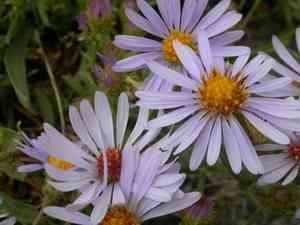
Western aster (Symphyotrichum ascendens)
Also known as: Western Aster
Western aster (Symphyotrichum ascendens) is a perennial herb native to the western regions of Canada and the United States. It typically grows in both moist and dry soils, thriving in meadows, grasslands, and along streambanks. The plant features erect stems covered with rough hairs and can reach heights of up to 60 cm. Its narrow, lance-shaped leaves also have a rough texture. The Western aster blooms late in the season, showcasing purple to lavender flowers with yellow centers.
In This Article
Attributes of Western aster
Lifespan
Perennial
Plant Type
Herb
Plant Height
20 cm to 61 cm
Spread
30 to 60 cm
Leaf Color
Green
Flower Size
2 to 3 cm
Flower Color
White Yellow Pink Purple
Images of Western aster
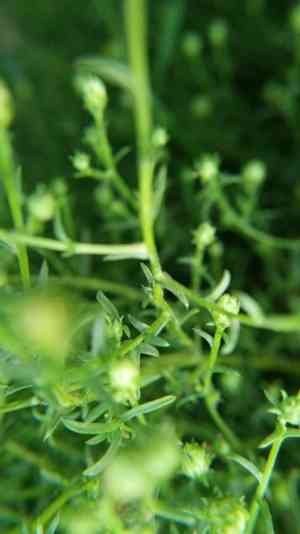
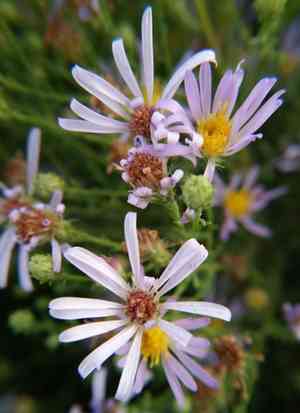
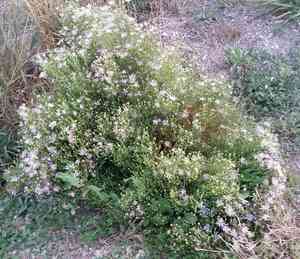
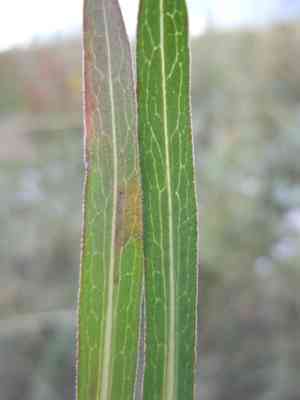
Quickly Identify Western aster
1
This plant can be identified by its erect stems and narrow lance-shaped leaves. The flowers are typically light purple or bluish with yellow centers, and appear in clusters. Look for its distinctive hair-like bracts beneath the flower heads.
Scientific Classification of Western aster
Phylum
Vascular plants
Class
Dicotyledons
Order
Asterales
Family
Daisy
Genus
Asters
Species
Western aster
Planting and Growing of Western aster
Care Difficulty
Easy
Watering Schedule
Every 2 days
Sunlight Requirements
Full sun
Sunshine Duration
6-10 hours
Ideal Temperature
60-75℉
Soil Type
Potting Mix, Peat Mix
Soil pH
6.5-7.5
Fertilizer Type
Balanced
Pruning Season
Spring, Summer
Pruning Area
Branches, Leaves
Pruning Frequency
2 times a year
Repotting Season
Spring
Pot Type
Plastic, Terracotta
 How to Water Western aster?
Symphyotrichum ascendens prefers moderate watering. Allow the top inch of soil to dry out between waterings to prevent root rot. Water until the soil is evenly moist but not soggy.
What are the symptoms of an underwatered Western aster?
›
What should I do if my Western aster is not getting enough water?
›
What are the symptoms of an overwatered Western aster?
›
How to save an overwatered Western aster?
›
 What Are the Sunlight Requirements for Western aster?
Symphyotrichum ascendens ideally thrives in settings offering full sun to partial sun for about 6 to 8 hours daily. Such conditions foster strong, healthy growth and abundant flowering, crucial for its ornamental and ecological value.
More About Sunlight Requirements Techniques→
What is the ideal location for Symphyotrichum ascendens?
›
Why does Symphyotrichum ascendens prefer these lighting conditions?
›
What are the effects of ideal lighting conditions on Symphyotrichum ascendens?
›
 What Is the Ideal Temperature Range for Western aster?
The ideal temperature range for Symphyotrichum ascendens is between 60°F and 75°F. This range promotes healthy growth and flowering by balancing metabolic activities and photosynthesis. Maintaining this temperature range ensures the plant is not stressed by extreme heat or cold and can thrive in optimal conditions.
 What Soil is Best for Western aster?
Symphyotrichum ascendens thrives best in well-drained soil. Proper drainage ensures that the roots do not sit in water, preventing rot and fungal infections, promoting healthy growth. A soil rich in organic matter boosts Symphyotrichum ascendens' growth by providing the necessary nutrients. Compost or natural fertilizers can maintain soil fertility, enhancing blooming and vitality. A balanced soil texture, particularly loamy with a hint of sandy components, offers a conducive root environment. It supports gas exchange and root extension, which are essential for the plant's establishment and resilience.
 How to Fertilize Western aster?
For Symphyotrichum ascendens, it's optimal to use a balanced 10-10-10 liquid fertilizer diluted to half strength, applying about 200-300 milliliters per plant per session. It's crucial to monitor the color and growth rate of the plant to adjust the amount if necessary without risking fertilizer burn.
 How to Prune Western aster?
Begin pruning Symphyotrichum ascendens in early spring when the risk of frost has passed. This is an ideal time because the plant is just starting to wake from dormancy, which helps minimize stress and promotes new growth. Start by removing any dead or damaged stems with clean, sharp shears. Cut back healthy stems by about one-third of their length to encourage bushier growth. Always make cuts just above a leaf node to ensure proper regrowth.
More About Pruning Techniques→
 How to Propagate Western aster plant?
1
Harvest seeds from mature flower heads in autumn. Allow them to dry thoroughly before storing in a cool, dry place until planting begins.
2
In spring or early summer, select a healthy stem section with at least three nodes. Cut it cleanly below a node, removing the lower leaves to prepare for planting.
3
In late summer or autumn, divide established clumps carefully by digging around the root ball. Separate sections ensuring each has roots attached before replanting.
 How to Repot Western aster plant?
1
Watch for signs such as root-bound indications, where roots start to circle around the pot or peek through drainage holes. If the plant is growing slower than usual during its growing season, it might be time to repot.
2
Opt for a pot that is 1-2 inches larger in diameter than the current one. Ensure it has adequate drainage holes to prevent waterlogging, which could cause root rot. A slightly larger pot will give roots room to grow and stabilize the plant.
3
Select a soil mix that is well-draining and rich in organic matter. A loamy mix with perlite or sand is ideal, helping to retain enough moisture without causing the roots to suffocate. This ensures the plant receives adequate nutrients and oxygen.
Learn More About Western aster Diseases
Anthracnose
Bacterial Leaf Spot
Bacterial Wilt
Black Spot
Chemical Injury
Crown Gall
Cyst Nematode
Damping-off
Downy Mildew
Drought Stress
Fusarium Wilt
Gray Mold
Leaf Curl
Leaf Spot
Mosaic
Nutrient Deficiency
Nutrient Toxicity
Powdery Mildew
Root Rot
Root-knot Nematode
Rusts
Sooty Mold
Spider Mites
Temperature Stress
Thrips Damage
White Mold



