How to Transplant Mountain snowberry?
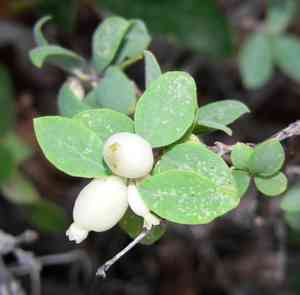
Mountain snowberry flourishes most effectively when relocated from early to mid-spring, as this period is ideal for root development. Select a bright location featuring soil that drains efficiently for its new placement. Provide steady hydration to encourage robust development.
Necessary Preparations Before Relocating Mountain Snowberry?
Optimal Period for Transplanting Mountain Snowberry?
Mountain snowberry should ideally be moved from early to late spring. This timeframe allows the plant to benefit from cooler temperatures and increased moisture, fostering robust root development. Relocating during this period enables mountain snowberry to adapt before summer heat, leading to healthier growth and a more resilient plant.
Required Spacing Between Mountain Snowberry Plants?
To ensure mountain snowberry flourishes, position each plant 3-6 feet (0.9-1.8 meters) apart. This provides ample room for growth and expansion. Maintaining this distance will minimize competition for nutrients and sunlight among the plants, promoting vigorous development.
Best Soil Mixture for Mountain Snowberry Relocation?
For mountain snowberry, select well-draining soil, such as loamy or sandy varieties. Prior to planting, enrich the soil with compost or a balanced, slow-release fertilizer (e.g., 10-10-10). This supplies essential nutrients for the plant's development and aids in establishing strong roots.
Where to Replant Your Mountain Snowberry?
Relocate mountain snowberry to a spot where it can receive full sun to partial shade. Ideally, it should get at least 6 hours of sunlight daily. This ensures vibrant foliage and improved flowering. Avoid excessively shaded areas as they can impede the plant's progress.
Equipment Needed Before Transplanting Mountain Snowberry?
Gardening Gloves
To safeguard your hands while handling soil and the plant.
Shovel or Spade
For excavating around the plant and preparing the new planting hole.
Garden Trowel
Useful for more precise digging and working in confined spaces.
Watering Can or Hose
To hydrate the plant before and after its relocation.
Wheelbarrow
For moving the plant if it is large.
Mulch
To help retain moisture and stabilize soil temperature around the newly transplanted plant.
How to Extract Mountain Snowberry from the Soil?
How to Extract Mountain Snowberry from the Soil?
From Ground: First, moisten the mountain snowberry plant to dampen the soil. Then, dig a wide trench around the plant using a shovel or spade, ensuring the plant's root ball remains intact. Carefully work the spade beneath the root ball to lift the plant from its original spot.From Pot: Gently water the mountain snowberry plant to facilitate its removal. Tilt the pot sideways and tap the sides to loosen the soil. Carefully slide the plant out, supporting the root ball with your hands.From Seedling Tray: Lightly water the mountain snowberry seedlings. Use a garden trowel or your fingers to carefully lift each seedling from the tray, ensuring the root ball stays intact.
Step-by-Step Instructions for Transplanting Mountain Snowberry
Preparation
Ensure all necessary tools are ready and the new planting site is prepared. Dig a transplant hole that is twice as wide and equal in depth to the mountain snowberry's root ball.
Lifting the Plant
Using a shovel or garden trowel, gently lift the mountain snowberry plant from its original location, ensuring the root ball remains intact.
Placing the Plant
Position the mountain snowberry plant into the prepared hole, making sure it sits at the same depth as it was in its original spot.
Backfilling
Fill the hole with soil, gently pressing down to remove air pockets. Water thoroughly to settle the soil around the root ball.
Applying Mulch
Apply a layer of mulch around the base of the mountain snowberry plant to help retain moisture and suppress weeds.
Post-Transplantation Care for Mountain Snowberry
Watering
Keep the soil around the mountain snowberry consistently moist, but not waterlogged, for the initial weeks after transplanting to aid in strong root establishment.
Monitoring
Regularly inspect the mountain snowberry plant for signs of transplant shock, such as wilting or yellowing leaves, and provide additional care as needed.
Pruning
If there are any damaged or dead branches, trim them to redirect the plant's energy towards healthy growth.
Feeding
After a few weeks, you can begin feeding the mountain snowberry plant with a balanced fertilizer to encourage healthy growth.
Resolving Common Issues with Mountain Snowberry Transplantation.
When is the best time to transplant mountain snowberry?
Relocate mountain snowberry from early spring to late spring for optimal growth and establishment.
How should I prepare the soil for transplanting mountain snowberry?
Ensure well-drained soil rich in organic matter. Incorporate compost to enhance soil quality.
What is the ideal spacing for mountain snowberry?
Space each mountain snowberry 3-6 feet (0.9-1.8 meters) apart to accommodate their growth requirements.
How deep should I plant mountain snowberry?
Plant mountain snowberry at the same depth it was previously growing to prevent root stress.
How should I water mountain snowberry after transplanting?
Water thoroughly immediately after transplanting and maintain consistent soil moisture for several weeks.
Should I prune mountain snowberry before transplanting?
Lightly prune damaged or overgrown branches to minimize transplant shock and promote healthy growth.
What are signs of transplant shock in mountain snowberry?
Wilting, yellowing leaves, or slow growth may indicate transplant shock. Observe and adjust care as necessary.
Can I apply fertilizer when transplanting mountain snowberry?
Avoid high-nitrogen fertilizers immediately after transplanting. Use a balanced fertilizer to support root development.
How can I protect mountain snowberry from pests after transplanting?
Inspect regularly for pests and use organic treatments if required. Mulch to deter weed growth.
What kind of mulch is best for mountain snowberry?
Organic mulch like wood chips or straw retains moisture, regulates soil temperature, and reduces weeds.



