How to Propagate Mountain snowberry?
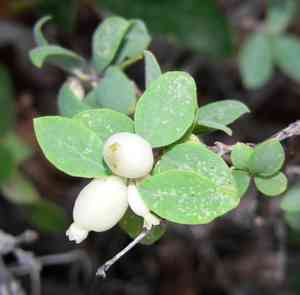
Symphoricarpos oreophilus belongs to the honeysuckle family, originating from craggy inclines and woodlands. Effective reproduction is attainable through seed planting. Abrade the seeds to enhance sprouting success, then plant them in a substrate that drains effectively. Ensure the growing medium remains uniformly damp, avoiding saturation. Given its resilience, Symphoricarpos oreophilus needs little upkeep once rooted, making it an ideal selection for rewilding spaces.
Optimal Time for Mountain Snowberry Propagation
Propagation Method
Seeding
Propagation Period
Spring
Equipment for Mountain Snowberry Propagation
Seed trays
Seed trays offer a controlled setting for germinating mountain snowberry seeds. They ensure even spacing, reducing nutrient competition and fostering healthier development.
Sterilized soil mix
A sterile soil mixture helps prevent diseases and pests that could harm mountain snowberry seeds. This promotes a healthier start and boosts successful germination rates.
Misting bottle
A misting bottle allows for gentle irrigation of mountain snowberry seeds, preventing displacement and ensuring the soil remains adequately moist without becoming saturated.
Heat mat
A heat mat creates a warm environment to enhance seed germination rates for mountain snowberry. This tool is particularly useful in colder climates or during early spring propagation.
Humidity dome
A humidity dome retains moisture and warmth, creating a micro-environment ideal for mountain snowberry seed germination. It helps maintain consistent humidity levels, crucial for initial growth stages.
Labeling sticks
Labeling sticks aid in tracking various stages and types of mountain snowberry being propagated. Clear labeling prevents confusion and ensures proper care and monitoring of the seeds.
Seed sowing dibber
A seed sowing dibber helps create uniform holes for planting mountain snowberry seeds, ensuring each seed is placed at the correct depth for optimal germination.
How to Propagate Mountain Snowberry?
Propagation Type
Simple
Post-Propagation Care for Mountain Snowberry
Post-Propagation Care for Mountain Snowberry
Following successful propagation, mountain snowberry needs well-drained soil and full to partial sun exposure. Regular watering is essential, especially during dry spells, though mature mountain snowberry plants are relatively drought-tolerant. Apply mulch around the base to retain moisture and suppress weeds. Pruning is minimal but can be done to maintain desired shape and remove any dead or diseased branches.
Common Errors to Avoid When Propagating Mountain Snowberry
Overwatering
Excessive watering can lead to root rot and fungal infections, which are detrimental to the viability of mountain snowberry cuttings.
Incorrect Soil Type
Using soil that is too dense or poorly draining can suffocate the roots, hindering growth and establishment.
Inadequate Light
Placing cuttings in an area with insufficient light can impede photosynthesis, slowing growth and resulting in weakened cuttings.
Improper Pruning
Taking cuttings that are too short or from unsuitable parts of the plant can reduce the likelihood of successful rooting.
Lack of Sterilization
Using unsterilized tools can introduce pathogens to the cuttings, increasing the risk of disease.
Advice for Propagating Mountain Snowberry
Well-Drained Soil
Utilize a soil mix that ensures good drainage, incorporating sand or perlite to prevent waterlogging and root problems.
Moderate Watering
Water cuttings just enough to keep the soil moist but not saturated, promoting root development without causing rot.
Sufficient Light
Position cuttings in an area with bright, indirect light to ensure they receive adequate energy for optimal growth.
Healthy Cuttings
Select vigorous, healthy portions of the plant for cuttings, ensuring they have sufficient node points for rooting.
Sterilized Tools
Always use sterilized tools when taking cuttings to minimize the risk of introducing diseases that could impair propagation success.



