How to Prune Mountain snowberry?
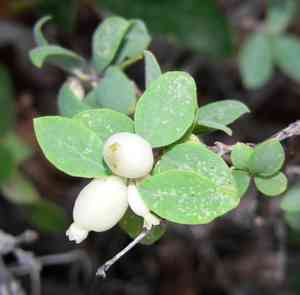
Symphoricarpos oreophilus is a deciduous woody plant characterized by groupings of white to pinkish fruits and a spherical growth pattern. To ensure peak well-being and aesthetic appeal, trim Symphoricarpos oreophilus in late winter or early spring, prior to the emergence of new shoots. Eliminate any lifeless, injured, or ailing branches, and reduce the density of older stalks to foster improved air movement and light exposure. Minor summer trimming can aid in preserving its form. Appropriate pruning boosts blooming and fruit yield, thereby contributing to the plant's general vigor.
What Are the Benefits of Pruning Mountain Snowberry?
What Are the Benefits of Pruning Mountain Snowberry?
Trimming mountain snowberry fosters robust development, helps maintain its form, and encourages vigorous growth. Regular trimming can also boost blooming, enhance overall appearance, and increase the plant's resistance to pests and diseases.
What Is the Best Time for Pruning Mountain Snowberry?
What Is the Best Time for Pruning Mountain Snowberry?
Spring and summer are considered optimal for pruning mountain snowberry as these periods align with the plant's active growth phase. Pruning in spring allows for the removal of any winter damage as the plant starts to grow, promoting healthier and more vigorous development. Summer pruning helps manage the plant's shape and encourages a fuller look by controlling excessive growth. Additionally, trimming during these times avoids interfering with mountain snowberry's flowering or fruiting stages, ensuring minimal disruption to its natural cycles.
What Tools Do I Need to Prune Mountain Snowberry?
Bypass Pruners
Perfect for making clean cuts on live wood and smaller branches typically found on mountain snowberry.
Lopping Shears
Suitable for cutting thicker branches that bypass pruners cannot handle, important for maintaining mountain snowberry's overall structure and removing older, woody growth.
Pruning Saw
Essential for cutting through larger, more mature branches of mountain snowberry, ensuring clean cuts without harming the plant.
Anvil Pruners
Useful for removing dead or diseased wood, which is a crucial aspect of maintaining the health of mountain snowberry.
Hedge Shears
Effective for shaping and maintaining the uniform appearance of mountain snowberry when grown as a hedge.
How to Prune Mountain Snowberry
Assess
Examine mountain snowberry to identify diseased leaves, withered leaves, and diseased stems. This initial assessment helps determine the extent of pruning required.
Sanitize
Clean and sterilize pruning tools thoroughly to prevent the spread of disease. Use a disinfectant solution or alcohol wipe.
Remove Diseased Leaves
Cut off any diseased leaves at their base using sharp pruners. Ensure cuts are clean to prevent further damage to mountain snowberry.
Remove Withered Leaves
Trim away withered leaves carefully, making cuts at the leaf stem junction. This will revitalize the plant and encourage new growth.
Cut Diseased Stems
Prune back diseased stems to healthy tissue. Make cuts at a 45-degree angle just above a node or healthy bud to facilitate healing and prevent water accumulation.
Common Pruning Mistakes with Mountain Snowberry
Over-pruning
Cutting back too much of the plant can lead to weakened growth and can hinder the plant's natural shape and flowering potential.
Incorrect cutting technique
Using dull or improper tools can cause jagged cuts, leading to potential disease and pest infestations.
Pruning at the wrong time
Although specific timing wasn't included, it’s vital to know that pruning at inappropriate times can stress the plant and disrupt its growth cycle.
Neglecting dead or diseased branches
Failing to remove dead or diseased wood can allow infections to spread throughout the plant, diminishing its health and vitality.
Improper wound care
Not sealing larger cuts or wounds can expose mountain snowberry to diseases and pest infiltration.
Common Pruning Tips for Mountain Snowberry
Use sharp and clean tools
Ensure that pruners and other cutting implements are sharp and clean to make precise cuts and reduce the risk of spreading diseases.
Annual light pruning
Engage in regular light pruning annually to shape the plant and encourage healthy growth rather than waiting and performing heavy pruning all at once.
Cut at an angle
Always make cuts at an angle just above a bud to promote proper healing and direct water away from the wound site.
Remove dead, damaged, or diseased wood
Consistently eliminate any dead, damaged, or diseased branches to maintain overall plant health and prevent the spread of pathogens.
Encourage air circulation
Thinning out crowded areas can improve air circulation within mountain snowberry, reducing the risk of fungal infections and encouraging more robust growth.



