How to Transplant Asian common seepweed?
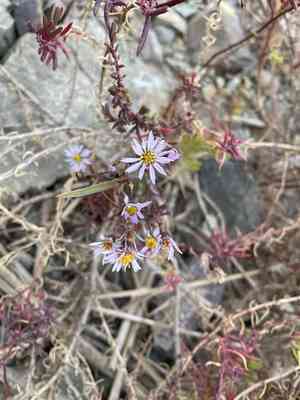
For Asian common seepweed, the ideal period for relocation spans from the revitalizing onset of spring to its gentle conclusion. Choose a brightly lit spot with soil that drains effectively to foster vigorous development. A helpful suggestion: ensure ample room for its expansion!
What Preparations are Needed Before Transplanting Asian Common Seepweed?
What is the Ideal Time for Transplanting Asian Common Seepweed?
The optimal period for relocating asian common seepweed spans from early spring's thaw to the onset of summer's warmth. This timeframe promotes strong root development and adaptation. Moving asian common seepweed during this phase leverages cooler, moist soil, safeguarding delicate roots and ensuring a smooth transition to their new spot. A friendly reminder: precise timing leads to healthier asian common seepweed, resulting in a lush, flourishing display.
How Much Space Should You Leave Between Asian Common Seepweed Plants?
Before introducing your asian common seepweed to their new home, envision them as small sunbathers on a beach. They'll require their own area to absorb sunlight. Aim for a comfortable distance: approximately 6-12 inches (15-30 cm) apart. This provides your plants ample room to thrive without feeling cramped.
What is the Best Soil Mix for Asian Common Seepweed Transplanting?
To make your asian common seepweed comfortable, prepare a bed of soil that drains well. They prefer to establish their roots in a sandy or loamy mixture. Prior to transplanting, enrich the soil with a balanced, slow-release fertilizer. This will ensure your asian common seepweed receives the necessary nutrients for a strong start.
Where Should You Relocate Your Asian Common Seepweed?
Your asian common seepweed thrives in sunny locations! When selecting a spot, find an area where the sun consistently shines. A full sun exposure - with at least 6-8 hours of direct sunlight - will make your asian common seepweed most content. This sun-drenched position will help them grow robust and healthy.
What Equipments Should You Prepare Before Transplantation Asian Common Seepweed?
Gardening Gloves
To safeguard your hands while handling soil and plants.
Shovel or Spade
For excavating the plant and preparing the new planting site.
Watering Can or Hose
To irrigate the plant before and after its relocation.
Wheelbarrow or Garden Cart
For moving the plant and soil efficiently.
Pruning Shears
To trim any damaged roots or foliage.
Mulch
To help regulate soil temperature and retain moisture post-transplant.
How Do You Remove Asian Common Seepweed from the Soil?
How Do You Remove Asian Common Seepweed from the Soil?
From Ground: Start by watering the asian common seepweed plant to make the soil easier to manage. Next, using a shovel or spade, dig a wide trench around the plant without disturbing its root ball. Gently slide the spade underneath the root ball to lift and extract the plant from the soil.From Pot: Water the asian common seepweed to moisten the soil and reduce stress. Turn the pot on its side and gently tap it to loosen the root ball. Hold the plant's base and carefully ease it out, supporting the root ball as you do so.From Seedling Tray: Water the seedlings to ensure the soil is damp. Use a spoon or a small gardening tool to carefully lift each asian common seepweed seedling by its leaves, not the delicate stem, to prevent harm.
Step-by-Step Guide for Transplanting Asian Common Seepweed
Preparation
Gather all necessary tools and ensure the new planting area is ready for your asian common seepweed plant.
Plant Removal
Follow the detailed instructions for extracting your plant from its original spot, whether it's the ground, a pot, or a seedling tray.
Hole Digging
Excavate a hole in the new location that is twice as wide and as deep as the root ball. Loosen the soil at the bottom of the hole to facilitate easier root growth.
Root Pruning
Examine the root ball, and use pruning shears to trim any broken or excessively long roots.
Planting
Position the plant in the center of the hole. The plant's base should be level with the surrounding ground. Gently backfill the hole with soil around the root ball, patting down to eliminate air pockets.
Watering
Immediately after planting, thoroughly water the asian common seepweed to settle the soil and hydrate the roots.
Adding Mulch
Spread a layer of mulch around the base to help retain moisture and suppress weed growth. Keep the mulch a few inches away from the stem to prevent rot.
How Do You Care For Asian Common Seepweed After Transplanting?
Monitoring
Regularly observe your asian common seepweed plant for signs of transplant shock and to ensure it's adapting well to its new environment.
Watering Frequency
Water your asian common seepweed as needed to maintain consistent soil moisture, especially during dry periods. Ensure the soil drains effectively to prevent waterlogging.
Mulching
Replenish the mulch layer as necessary to preserve soil moisture and moderate temperature fluctuations.
Support Structures
If your asian common seepweed plant appears weak or top-heavy, consider using stakes or ties to provide support until it's strong enough to stand independently.
Troubleshooting Common Issues with Asian Common Seepweed Transplantation.
What's the prime time to transplant asian common seepweed for best growth?
The ideal period for transplanting asian common seepweed is between early and late spring, ensuring optimal establishment.
How far apart should asian common seepweed be spaced when transplanting?
Space asian common seepweed approximately 6-12 inches (15-30 cm) apart to provide each plant sufficient room to thrive.
How deep should the hole be for transplanting asian common seepweed?
The hole should be as deep as the root ball but twice as wide to encourage root expansion.
Why are my transplanted asian common seepweed wilting after planting?
Wilting may indicate water stress or root damage during transplanting. Ensure adequate watering and careful handling.
Can asian common seepweed be transplanted in full sun or partial shade?
Transplant asian common seepweed to a location with full sun exposure to ensure vigorous growth and development.
What soil type is ideal for transplanting asian common seepweed?
Use well-draining soil rich in organic matter for asian common seepweed to ensure a healthy root environment.
How do I water asian common seepweed after transplanting?
Water asian common seepweed generously immediately after transplanting, then adjust to normal watering routines as the plant settles.
When is it too hot or cold to transplant asian common seepweed?
Avoid transplanting asian common seepweed during extreme temperatures; aim for a mild range of 50-70°F (10-21°C).
What should I do if asian common seepweed's leaves turn yellow after transplanting?
Yellowing may indicate overwatering or poor drainage. Reduce water and improve soil drainage.
Can I add fertilizer after transplanting asian common seepweed?
Wait 2-4 weeks before applying a balanced fertilizer to allow asian common seepweed to settle into its new location.



