How Much Sunlight Do Asian common seepweed Need?
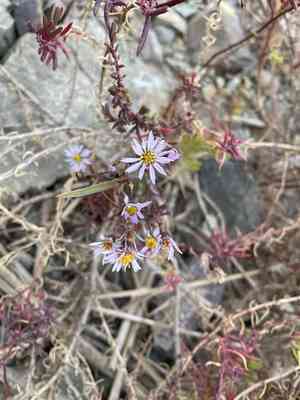
1
Asian common seepweed performs optimally with ample sunlight, needing a minimum of 6 hours of direct sun each day.
2
While able to withstand partial shade, Asian common seepweed might not achieve peak vitality under these conditions.
3
During colder months, contemplate supplementing with grow lights to support your Asian common seepweed's indoor well-being and development.
Optimal Light Conditions for Asian common seepweed
Requirements for Full Sun
For robust development, Asian common seepweed necessitates full sun, meaning it needs over 6 hours of direct sunlight each day. In its natural habitat, this species flourishes under ample sunlight, which is vital for vigorous growth and vibrant leaves. Ensuring your seepweed gets sufficient sun will boost its overall health and longevity. When planting outdoors, choose a location where sunlight is unobstructed by structures or trees.
Tolerance to Partial Shade
While Asian common seepweed thrives in full sun, it can withstand partial shade. This adaptability is advantageous for cultivators who may not have consistently sunny areas available. However, under partial shade conditions, anticipate a slower growth rate, and the foliage might not be as lush compared to plants grown in full sun. If your garden experiences a mix of sun and shade throughout the day, observe your seepweed's reaction and adjust if necessary.
Determining Sunlight Needs
Monitoring Plant Development and Vitality
Observing the growth and general health of your Asian common seepweed is a practical method to assess its light requirements. Look for vibrant, green leaves and consistent growth as indications of adequate sunlight. Insufficient light can result in stunted development and pale foliage, signaling a need for more sun exposure. Compare the plant's progress at various stages to decide if adjustments are required.
Common Signs of Insufficient Light
If your Asian common seepweed isn't receiving enough sunlight, you'll observe several red flags. Typical symptoms of inadequate light include yellowing leaves, elongated stems, and diminished vitality. The plant might also become more vulnerable to pests and diseases. To remedy this, move your seepweed to a brighter spot or augment natural light with artificial sources, especially during shorter winter days.
Advice for Providing Ideal Sunlight
Best Planting Locations
Selecting the correct placement is crucial for providing optimal sunlight for your Asian common seepweed. If you're gardening outdoors, pick a south-facing area that receives full sun exposure for most of the day. For indoor cultivation, position the plant near a sunny window where it will get the necessary sunlight. Using outdoor areas like patios or balconies can also be effective if they receive sufficient sunlight.
Utilizing Artificial Light Sources
During months when natural light is inadequate, particularly in winter, employing artificial light sources can be beneficial. Full-spectrum LED grow lights are an excellent option to simulate natural sunlight. Place the lights approximately 6 to 12 inches (15 to 30 centimeters) above the plant, ensuring they are active for about 12-16 hours daily to support the growth and health of your Asian common seepweed.
Seasonal Light Fluctuations
Adjusting to Seasonal Changes
As seasons shift, the amount and intensity of sunlight your Asian common seepweed receives will change. In summer, the plant will naturally obtain more sunlight, allowing it to grow vigorously. During autumn and winter, sunlight diminishes, and you might need to alter the plant's location or add supplemental lighting. Regularly evaluate the light patterns in your garden throughout the year to make necessary adaptations.
Winter Care Recommendations
Winter can pose challenges for sun-loving plants such as Asian common seepweed. To ensure your plant remains healthy, consider relocating it indoors to a bright spot. Supplement the reduced natural light with artificial lighting if necessary. Additionally, ensure the plant is not exposed to cold drafts or extreme temperature fluctuations, as these can further stress the plant during the less sunny winter months.



