The Asian common seepweed Plant Advantage: Maximizing Home and Office Appeal and Wellness
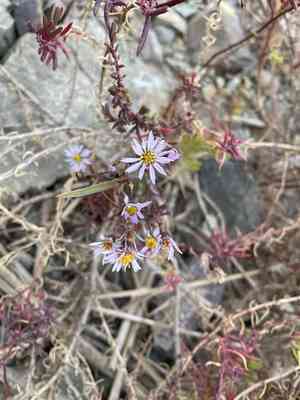
1
Exhibits strong adaptability to diverse soil types, allowing for broad cultivation.
2
Packed with essential nutrients and beneficial antioxidants, contributing to a healthy eating plan.
3
Serves as a crucial element in marshland environments, aiding in the prevention of land degradation.
Why is Asian common seepweed So Hardy?
Soil Condition Adaptability
Asian common seepweed flourishes in diverse soil types, including saline and alkaline. This flexibility enables its growth in areas where other plants might fail, making it ideal for regions impacted by soil deterioration.
Environmental Stress Tolerance
Asian common seepweed not only withstands varied soil conditions but also shows strong resistance to environmental pressures such as drought and high salt levels. These characteristics make it especially useful for land restoration and eco-friendly farming.
What Nutritional Advantages Does Asian common seepweed Provide?
Abundant in Key Nutrients
Asian common seepweed is loaded with vital nutrients like vitamins A, C, and E, along with crucial minerals such as calcium and potassium. These nutrients are essential for a balanced diet and supporting overall well-being.
Antioxidant Qualities
Beyond fundamental nutrients, Asian common seepweed contains antioxidants that help fight oxidative stress in the body. These antioxidants are crucial for cell protection and maintaining optimal bodily functions.
How Does Asian common seepweed Aid Environmental Preservation?
Erosion Prevention
Asian common seepweed is vital for soil stabilization, especially in wetland environments. Its root systems help secure the soil, reducing erosion and safeguarding coastal and riverine habitats.
Biodiversity Improvement
Asian common seepweed fosters biodiversity by offering a home for various plant and animal species. Its presence in ecosystems can boost overall biodiversity, promoting a healthier and more robust environment.
What Culinary Applications Does Asian common seepweed Possess?
Typical Cooking Uses
Asian common seepweed is incorporated into numerous dishes, particularly in Asian cooking. Its leaves can be stir-fried, pickled, or even added to salads for a distinct taste. Its culinary adaptability makes it a preferred ingredient for chefs.
Taste and Texture Profile
Asian common seepweed provides a slightly salty and crisp texture, making it an intriguing addition to various recipes. Its unique flavor imparts a distinctive element to dishes, enhancing both taste and nutritional worth.



