How to Transplant Texas toothleaf?
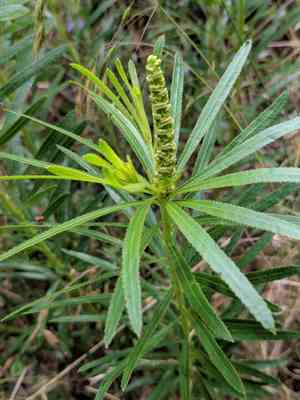
The ideal period for transplanting texas toothleaf is the mild interval following the last frost, but prior to the peak of summer's warmth. Select a bright location featuring soil that drains effectively. Should it be necessary, slowly introduce texas toothleaf to its new environment to avoid stress.
What Preparations are Needed Before Transplanting Texas Toothleaf?
What is the Ideal Time for Transplanting Texas Toothleaf?
The prime time for moving texas toothleaf is the transition from spring to summer. This period offers warm, consistent weather, which is perfect for root development without the intense heat that can harm new transplants. Relocating texas toothleaf during this window promotes strong growth, as longer days and mild temperatures aid recovery and expansion. Ensuring texas toothleaf is transplanted in this season sets the stage for flourishing plants and a productive garden. It's like hitting the sweet spot when the soil is just warming up, allowing texas toothleaf's roots to spread comfortably in their new home.
How Much Space Should You Leave Between Texas Toothleaf Plants?
When getting ready to transplant texas toothleaf, make sure there's plenty of room for each plant. A distance of about 12-18 inches (30-46 cm) between each texas toothleaf will help them grow without competing for resources. It's a comfortable spacing that allows them to thrive!
What is the Best Soil Mix for Texas Toothleaf Transplanting?
Before planting your texas toothleaf, combine well-draining soil with a mild, slow-release fertilizer to give it the best start. Aim for a loamy or sandy soil rich in organic matter to keep your texas toothleaf happy and healthy.
Where Should You Relocate Your Texas Toothleaf?
Choose a sunny spot in your garden where your texas toothleaf can enjoy full sunlight for most of the day. This bright location will ensure your texas toothleaf gets the energy it needs to flourish. Morning light with afternoon shade is also adequate if your climate is particularly hot.
What Equipments Should You Prepare Before Transplantation Texas Toothleaf?
Gardening Gloves
To shield your hands while handling soil and plants.
Shovel or Spade
To excavate the plant from its original spot without harming the root ball.
Pruning Shears
To trim any dead or excess parts of the plant's roots or foliage prior to transplanting.
Watering Can or Hose
For hydrating the plant before and after its removal from the initial location.
Garden Fork
To loosen the soil around the plant, facilitating its removal without root damage.
Wheelbarrow or Garden Cart
To easily move the plant and soil to the new site.
Mulch
To apply around the plant's base after transplanting, aiding in moisture retention and weed control.
Root Stimulator (optional)
To encourage root development post-transplant.
How Do You Remove Texas Toothleaf from the Soil?
How Do You Remove Texas Toothleaf from the Soil?
From Ground: First, water the texas toothleaf plant to moisten the soil. Then, dig a wide trench around the plant using a shovel or spade, ensuring the plant's root ball remains intact. Carefully work the spade under the root ball to lift the plant from its original location.From Pot: Start by watering the texas toothleaf plant to facilitate its removal from the pot. Hold the plant at its base and gently tip the pot sideways, tapping and squeezing the pot if needed. Continue until the plant slides out with the root ball.From Seedling Tray: Water the seedlings to dampen the soil. Use a small trowel or your fingers to gently lift the texas toothleaf seedling, making sure to keep as much of the root system and soil intact as possible.
Step-by-Step Guide for Transplanting Texas Toothleaf
Prepare the New Site
Ensure the new planting area is free of weeds and debris, and the soil is loose and ready for the plant.
Water Before Removal
Thoroughly water the texas toothleaf to minimize transplant shock and help keep the soil around the root ball intact during removal.
Excavation
Use your shovel or garden fork to dig around the texas toothleaf, creating a wide circle to avoid damaging the roots while extracting the plant.
Lifting the Plant
Insert the shovel deep under the root ball and gently lift the texas toothleaf out of the ground, preserving as much of the root ball as possible.
Root Pruning
Examine the root ball and use pruning shears to snip away any damaged or overly long roots.
Move to New Location
Carefully transport the texas toothleaf to the new location using a wheelbarrow or garden cart.
Transplanting
Position the texas toothleaf in the center of the prepared location and adjust the depth so the top of the root ball is level with the soil surface.
Fill in Soil
Backfill the hole gently with soil, ensuring there are no air pockets by firming the soil down around the roots.
Water Thoroughly
After transplanting, water the texas toothleaf generously to help settle the soil and provide moisture for the roots.
Mulch Application
Apply a layer of mulch around the base of the texas toothleaf, taking care to keep it away from the stem to prevent rot.
How Do You Care For Texas Toothleaf After Transplanting?
Watering
Keep the soil around the texas toothleaf consistently moist for the initial weeks after transplanting to aid in establishing strong roots.
Pruning
Lightly prune the texas toothleaf to remove any dead or damaged foliage and to encourage new growth.
Support
If the texas toothleaf is a taller variety, consider providing a stake or trellis for support as it grows.
Monitoring
Regularly check the texas toothleaf for signs of stress, pests, or disease, and take necessary action promptly.
Root Stimulator
If you have chosen to use a root stimulator, apply it according to the product's instructions to promote healthy root development.
Troubleshooting Common Issues with Texas Toothleaf Transplantation.
Why is my texas toothleaf wilting after transplant?
Wilting might indicate transplant shock. Ensure roots are well-hydrated and the plant is not in direct, harsh sunlight while adjusting.
Can I transplant texas toothleaf in cooler weather?
It's best to transplant texas toothleaf when temperatures encourage growth. Aim for late spring to early summer for optimal results.
Why are the leaves of my texas toothleaf turning yellow post-transplant?
Yellowing leaves can be a sign of overwatering or poor soil drainage. Adjust watering accordingly and check for compacted soil.
My texas toothleaf isnât thriving post-transplant, what's wrong?
Inspect for root-bound conditions. If roots circle extensively, gently tease them apart before transplanting to encourage outward growth.
How deep should I plant texas toothleaf?
Plant texas toothleaf at the same depth it was in the previous container. This helps prevent root suffocation or exposure.
What is the best spacing between texas toothleaf plants for healthy growth?
Give texas toothleaf room to flourish by spacing them 12-18 inches (30-45 cm) apart. Proper spacing enhances sunlight and air circulation.
Do I need to fertilize texas toothleaf after transplanting?
Wait until texas toothleaf shows signs of growth before fertilizing. Too soon can harm delicate roots. Then use a balanced fertilizer.
Should I prune my texas toothleaf during transplant?
Pruning isn't usually necessary during transplant. Focus on soil care and proper watering to help texas toothleaf establish first.
How much sunlight does texas toothleaf need after transplant?
After transplant, texas toothleaf should receive ample bright but indirect light. Gradually acclimate to more direct sunlight to prevent stress.
How do I prepare the soil before transplanting texas toothleaf?
Enrich the soil with compost or well-rotted manure to provide nutrients. Ensure it's well-tilled for proper root penetration.



